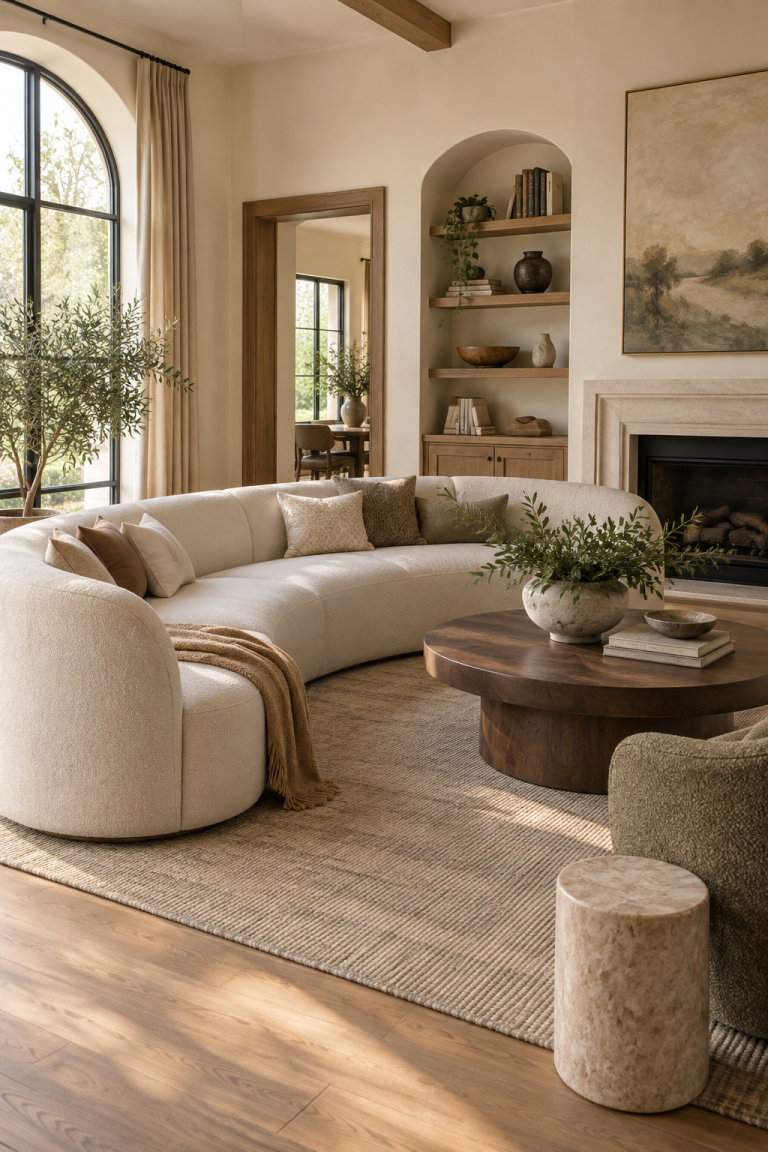
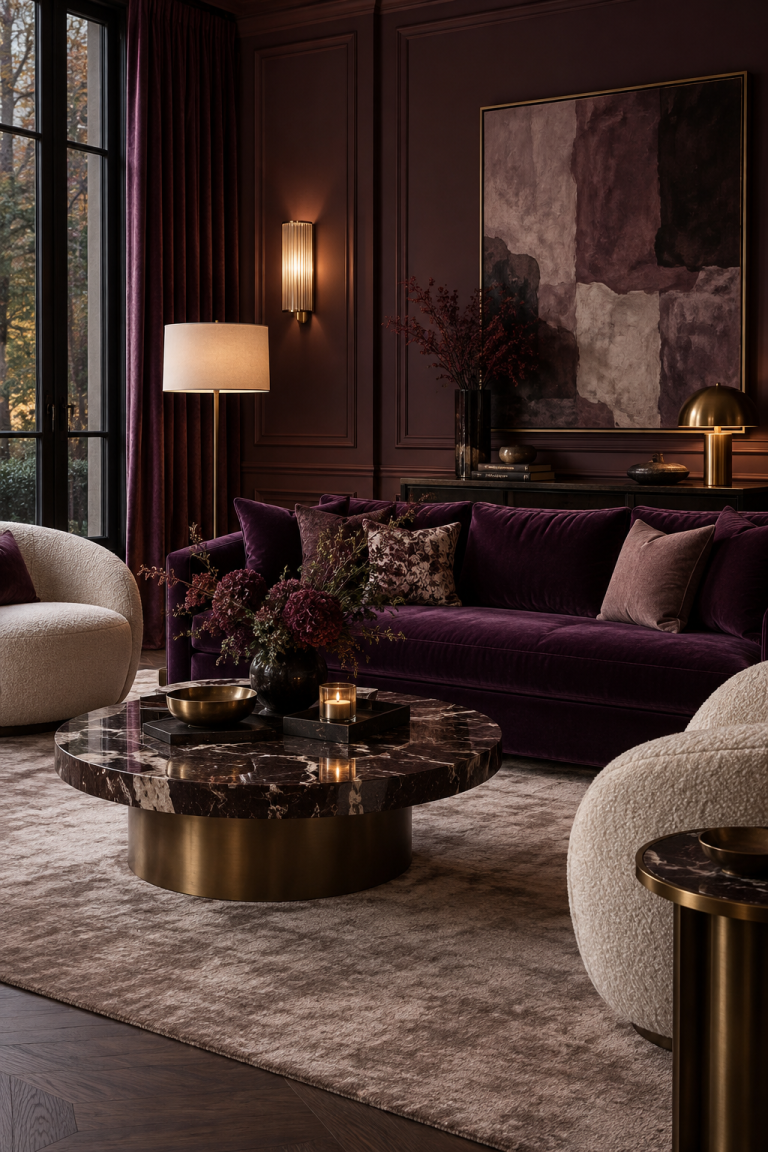
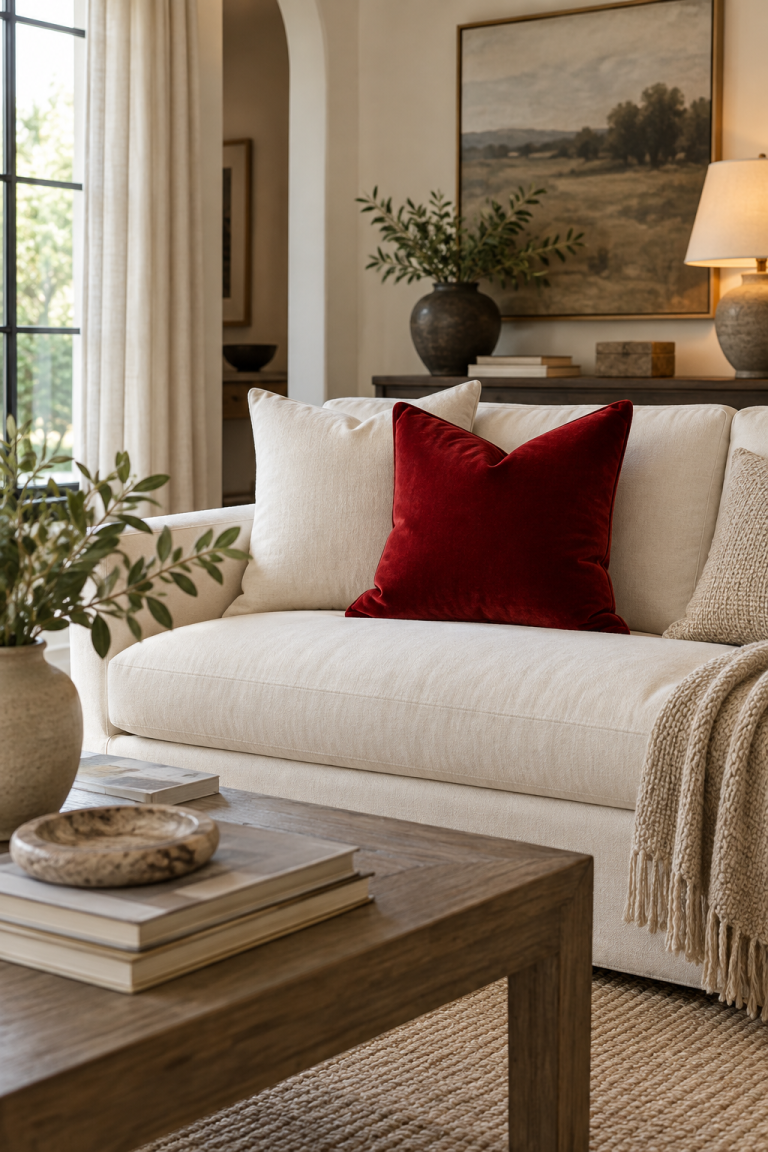
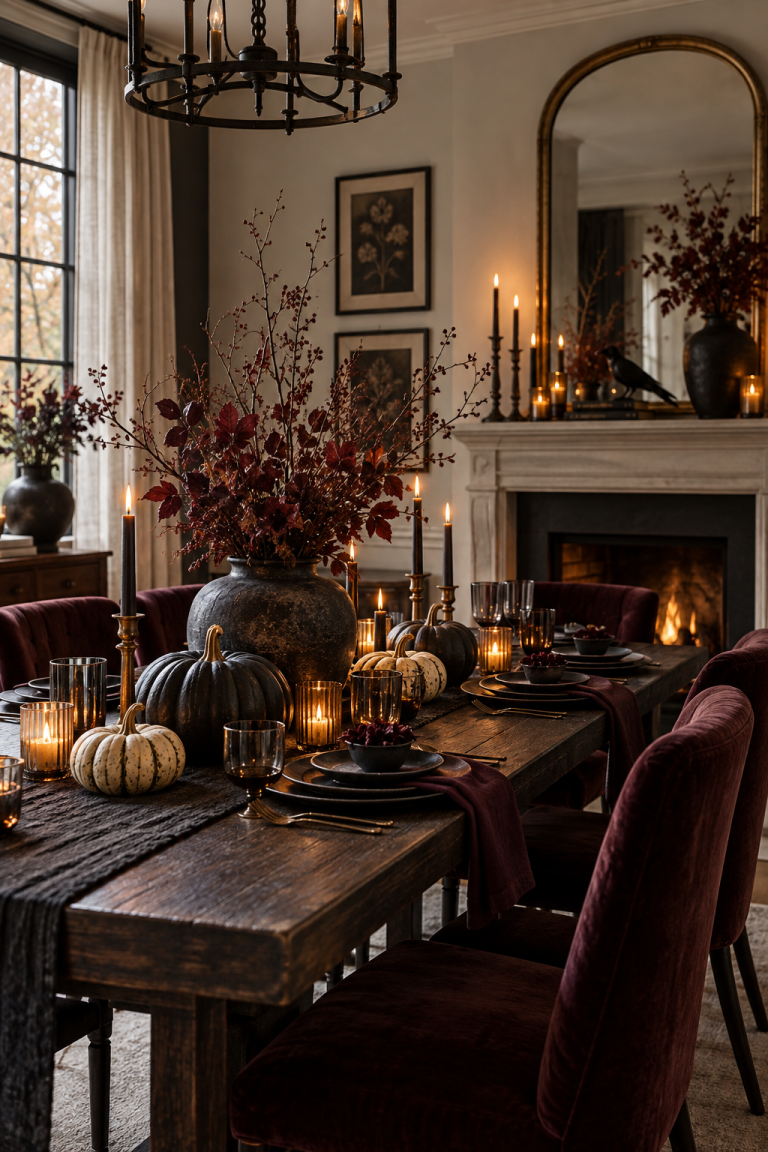
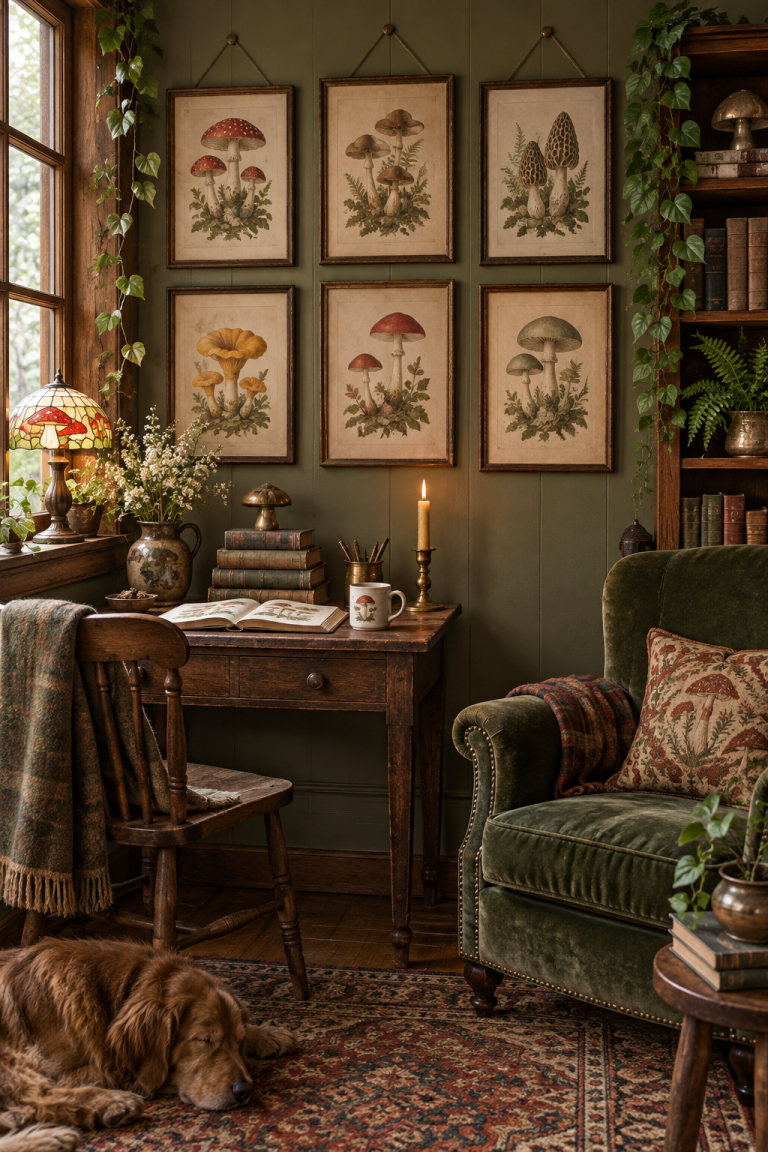
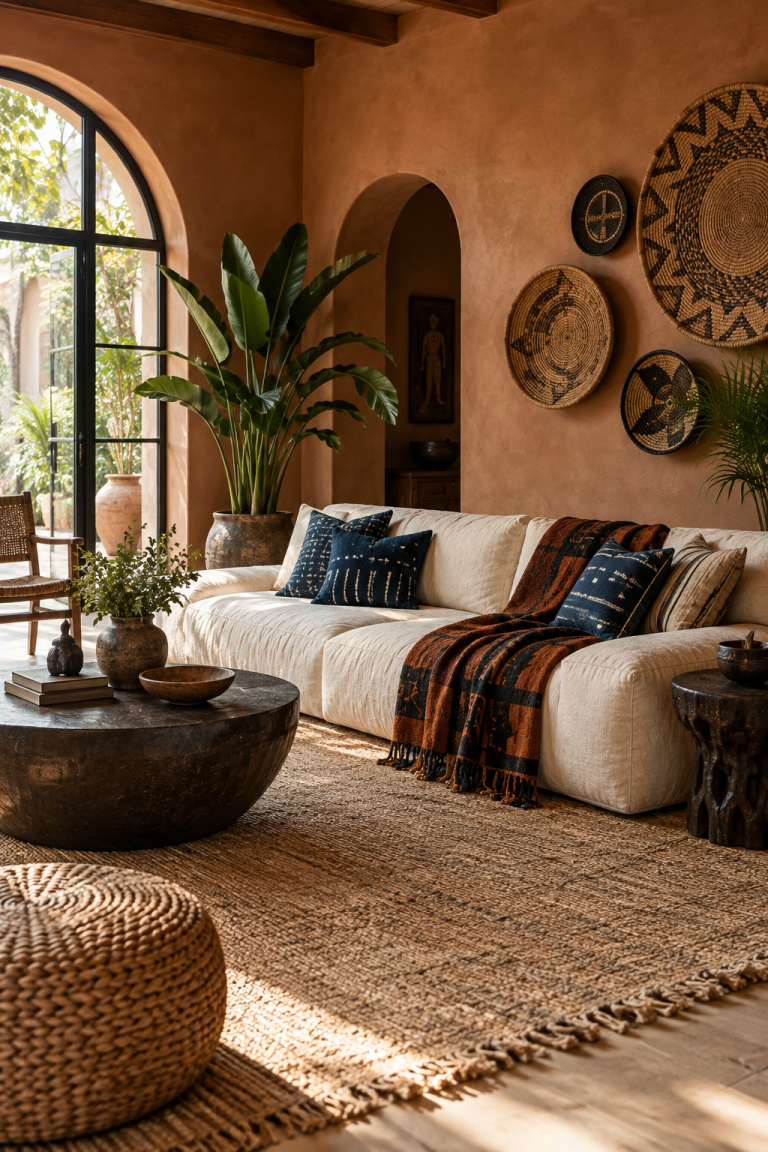
Indoor plants can bring color, softness and a sense of calm to rooms dominated by straight lines and hard surfaces. Successful plant styling starts with light and care requirements, then uses height, leaf shape and containers to support the room. These ideas create a lush impression without blocking windows, crowding paths or turning every surface into a plant stand.
Use the ideas as a practical menu. Select the solutions that suit the room’s scale, light and daily routines, then repeat materials or shapes selectively so the result feels connected rather than crowded.
1. Place a Tall Plant beside a Bright Window
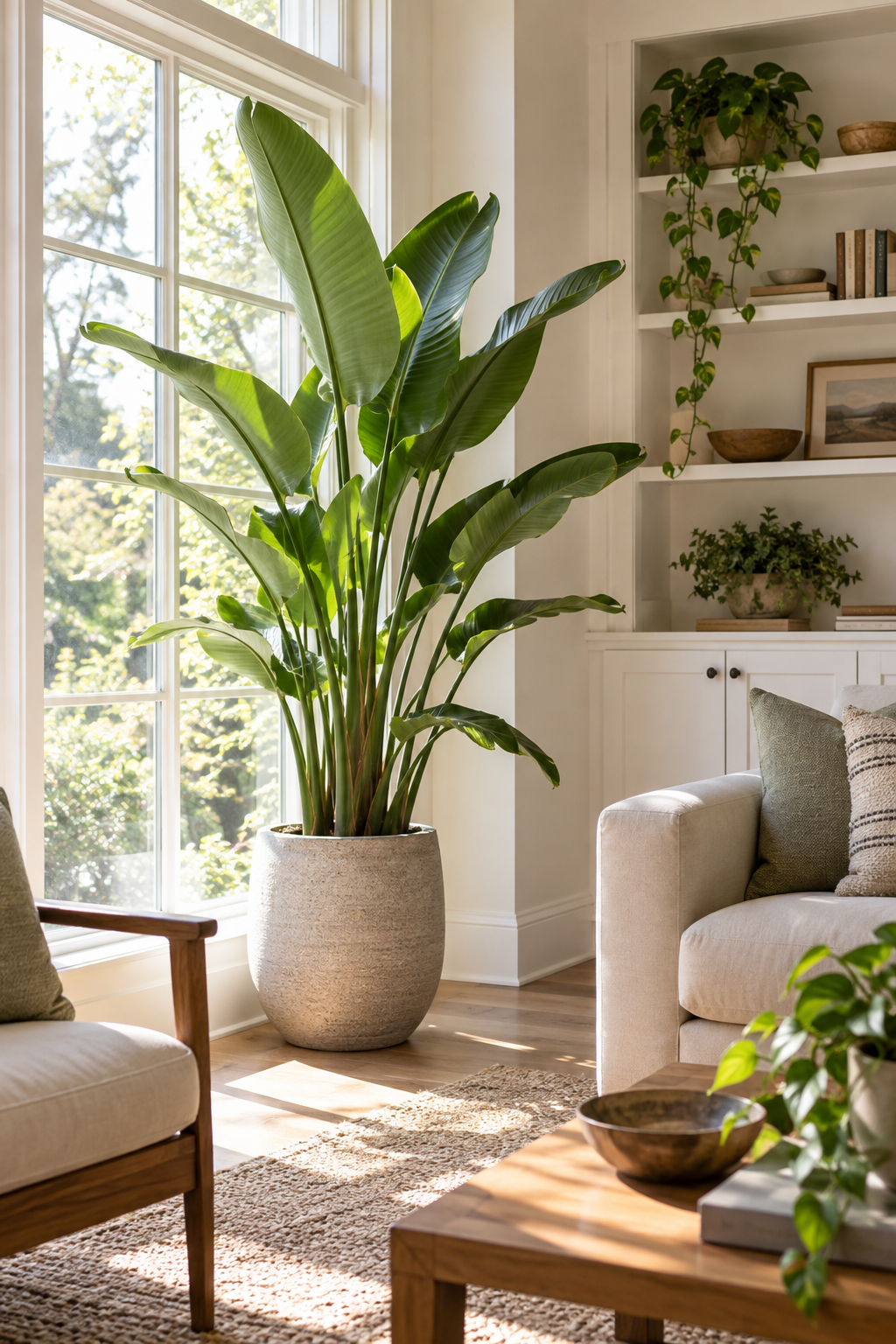
Start with place a tall plant beside a bright window as the main decision in this part of the room. Check the proportion against nearby furniture, ceiling height, windows and walking paths before committing. A limited material palette lets the feature stand out without making the interior feel busy. Repeat one related texture, curve or green tone elsewhere so the composition reads as intentional.
View the arrangement in both daylight and evening light. Keep maintenance, cleaning and everyday use realistic: allow access around furniture, select appropriate bulbs, or leave room to water and rotate plants as the subject requires. Photograph the space from the doorway and remove any secondary object that competes with the focal point. This final edit gives affordable choices a calmer, more polished presence.
2. Group Three Plants at Different Heights
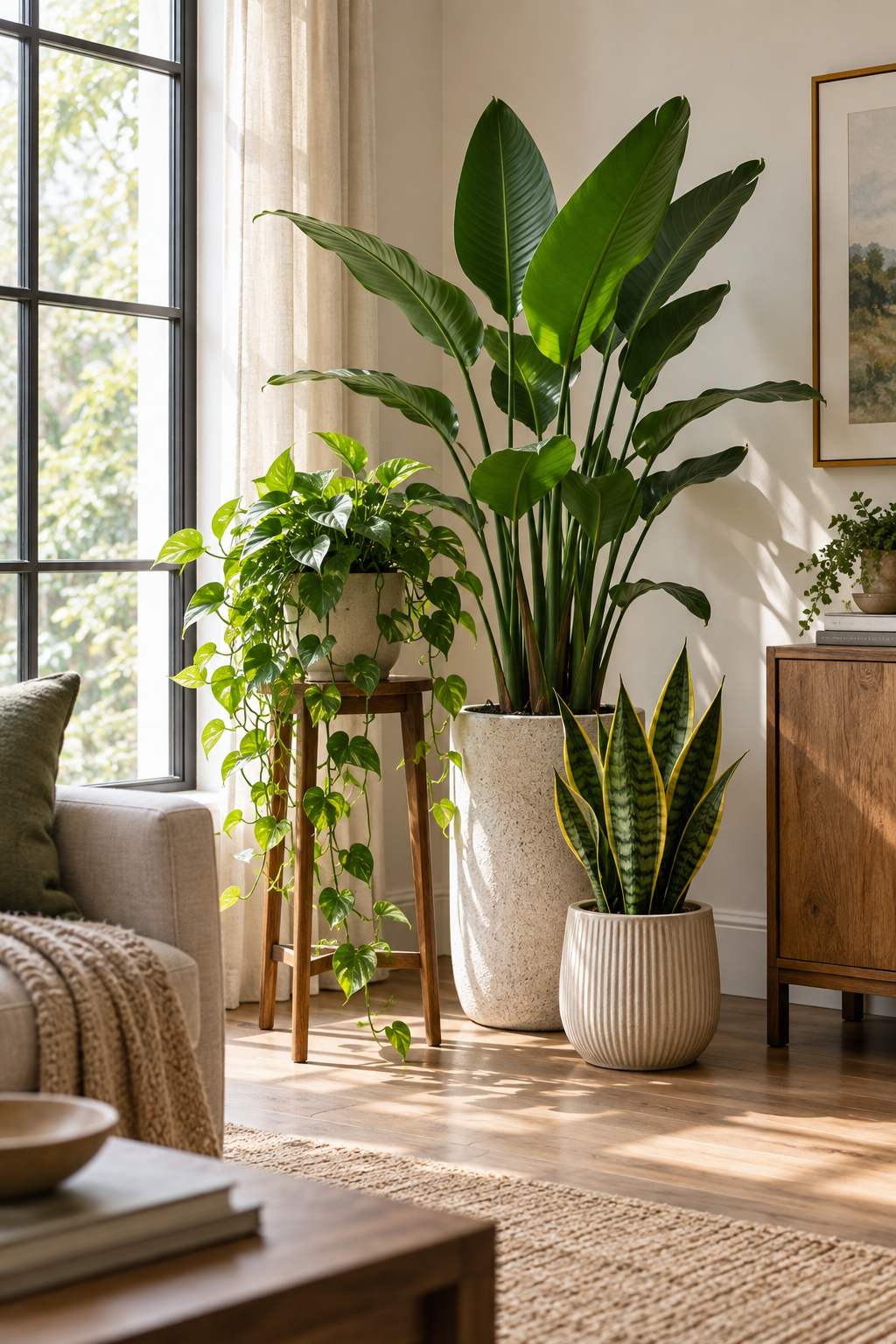
Create group three plants at different heights as the main decision in this part of the room. Check the proportion against nearby furniture, ceiling height, windows and walking paths before committing. A limited material palette lets the feature stand out without making the interior feel busy. Repeat one related texture, curve or green tone elsewhere so the composition reads as intentional.
View the arrangement in both daylight and evening light. Keep maintenance, cleaning and everyday use realistic: allow access around furniture, select appropriate bulbs, or leave room to water and rotate plants as the subject requires. Photograph the space from the doorway and remove any secondary object that competes with the focal point. This final edit gives affordable choices a calmer, more polished presence.
3. Use a Trailing Plant on a High Shelf
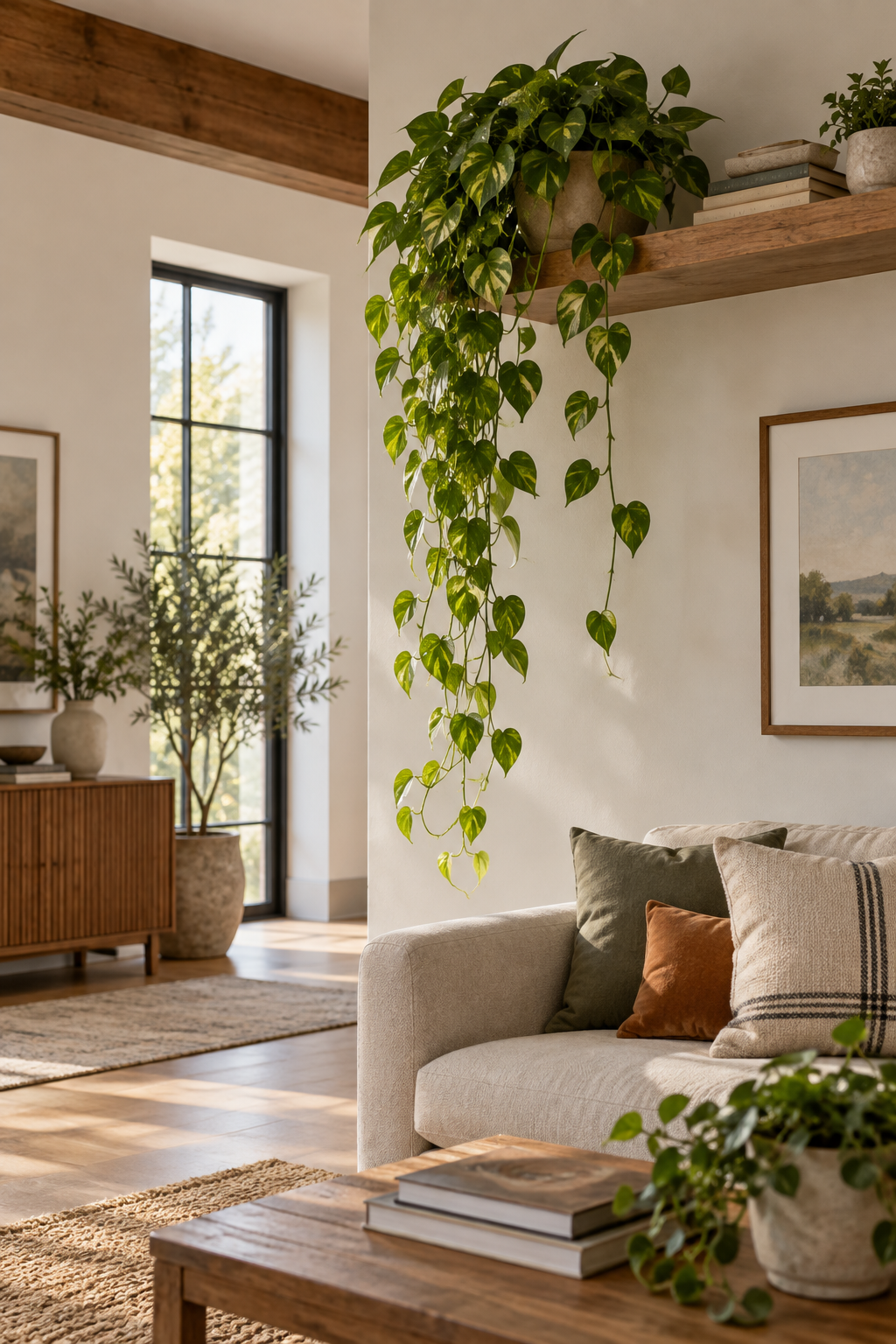
Use use a trailing plant on a high shelf as the main decision in this part of the room. Check the proportion against nearby furniture, ceiling height, windows and walking paths before committing. A limited material palette lets the feature stand out without making the interior feel busy. Repeat one related texture, curve or green tone elsewhere so the composition reads as intentional.
View the arrangement in both daylight and evening light. Keep maintenance, cleaning and everyday use realistic: allow access around furniture, select appropriate bulbs, or leave room to water and rotate plants as the subject requires. Photograph the space from the doorway and remove any secondary object that competes with the focal point. This final edit gives affordable choices a calmer, more polished presence.
4. Create a Plant-Filled Reading Corner
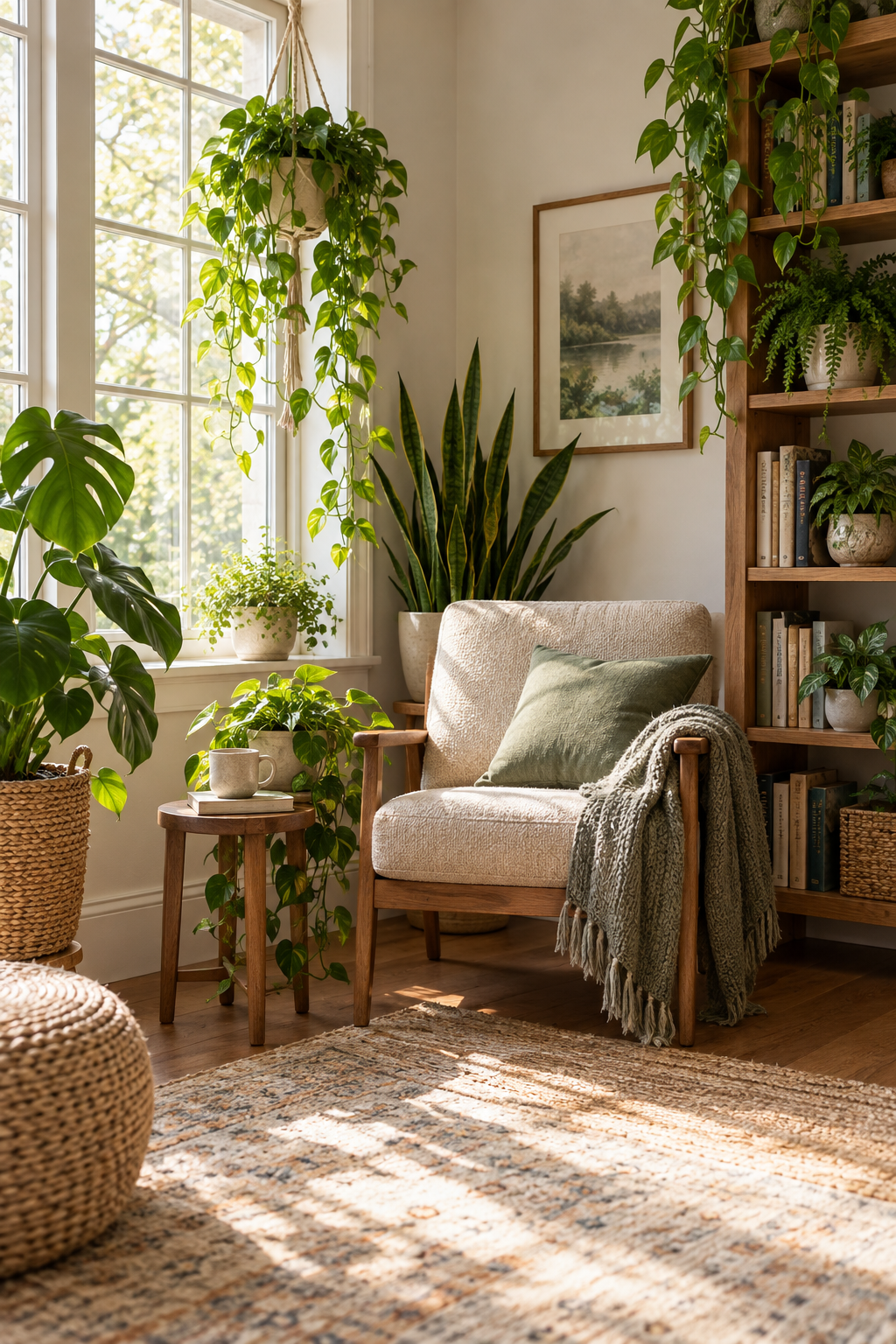
Layer create a plant-filled reading corner as the main decision in this part of the room. Check the proportion against nearby furniture, ceiling height, windows and walking paths before committing. A limited material palette lets the feature stand out without making the interior feel busy. Repeat one related texture, curve or green tone elsewhere so the composition reads as intentional.
View the arrangement in both daylight and evening light. Keep maintenance, cleaning and everyday use realistic: allow access around furniture, select appropriate bulbs, or leave room to water and rotate plants as the subject requires. Photograph the space from the doorway and remove any secondary object that competes with the focal point. This final edit gives affordable choices a calmer, more polished presence.
5. Style Herbs on a Sunny Kitchen Ledge
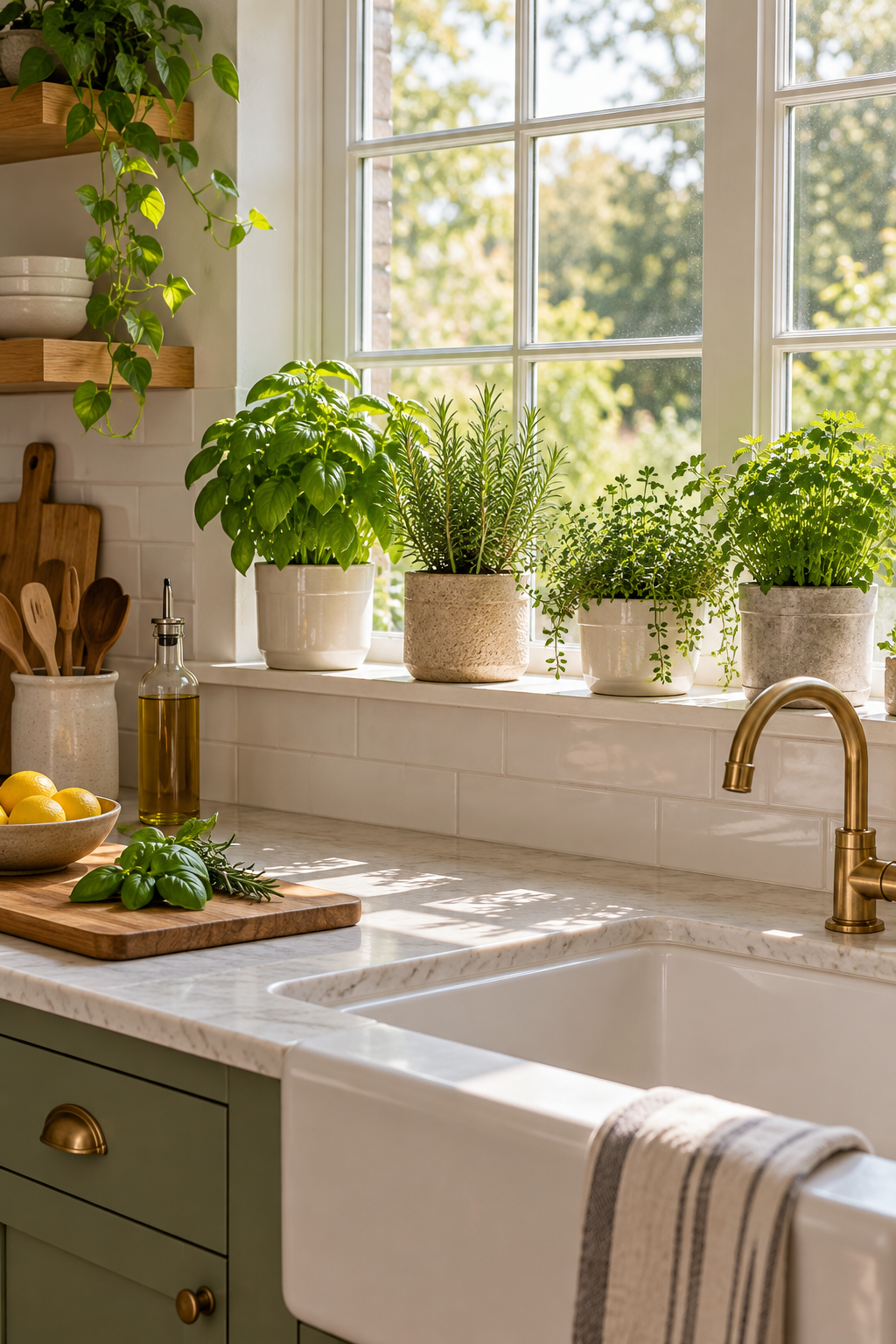
Choose style herbs on a sunny kitchen ledge as the main decision in this part of the room. Check the proportion against nearby furniture, ceiling height, windows and walking paths before committing. A limited material palette lets the feature stand out without making the interior feel busy. Repeat one related texture, curve or green tone elsewhere so the composition reads as intentional.
View the arrangement in both daylight and evening light. Keep maintenance, cleaning and everyday use realistic: allow access around furniture, select appropriate bulbs, or leave room to water and rotate plants as the subject requires. Photograph the space from the doorway and remove any secondary object that competes with the focal point. This final edit gives affordable choices a calmer, more polished presence.
6. Add a Statement Tree to the Living Room
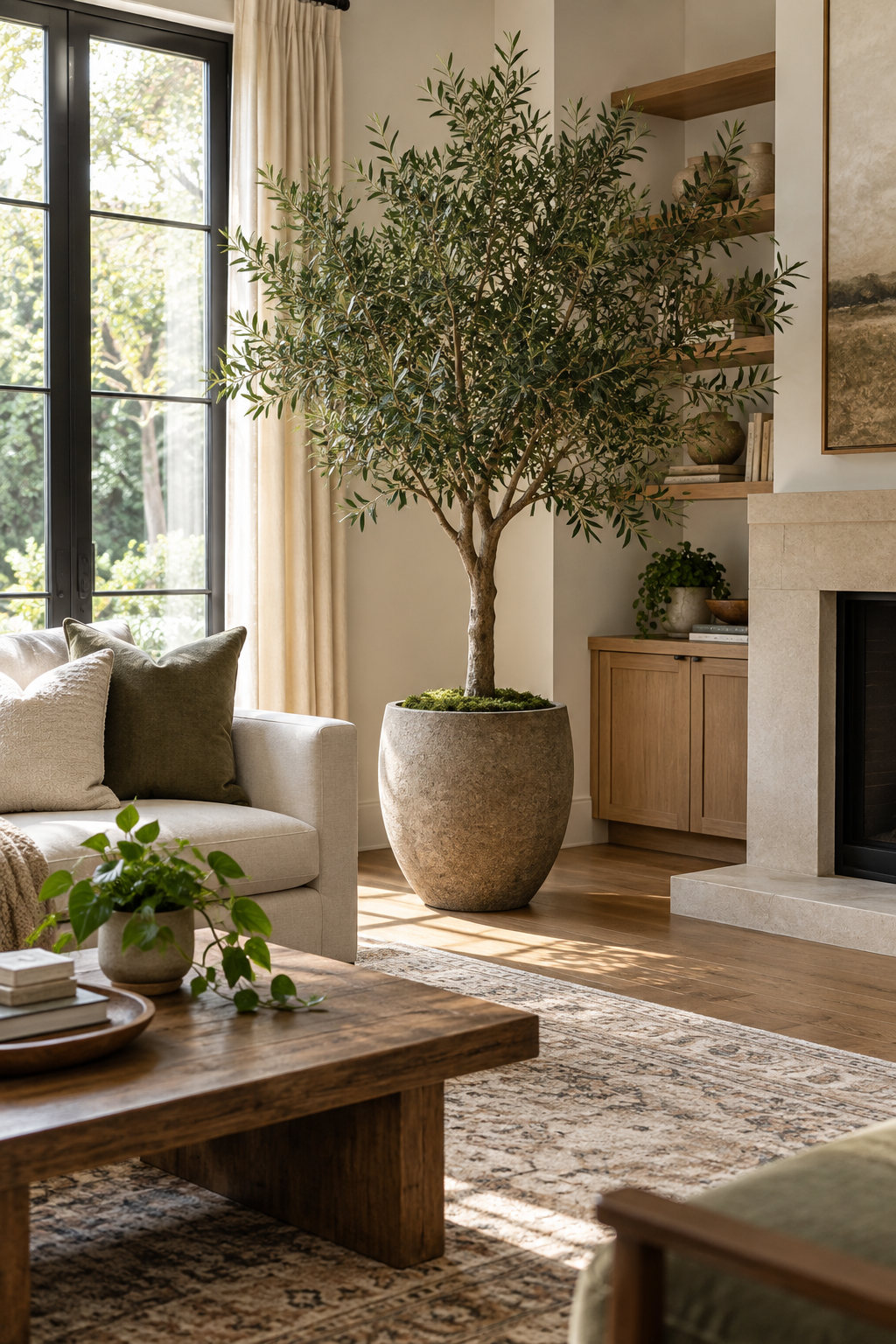
Bring in add a statement tree to the living room as the main decision in this part of the room. Check the proportion against nearby furniture, ceiling height, windows and walking paths before committing. A limited material palette lets the feature stand out without making the interior feel busy. Repeat one related texture, curve or green tone elsewhere so the composition reads as intentional.
View the arrangement in both daylight and evening light. Keep maintenance, cleaning and everyday use realistic: allow access around furniture, select appropriate bulbs, or leave room to water and rotate plants as the subject requires. Photograph the space from the doorway and remove any secondary object that competes with the focal point. This final edit gives affordable choices a calmer, more polished presence.
7. Use Slim Plant Stands in a Small Apartment
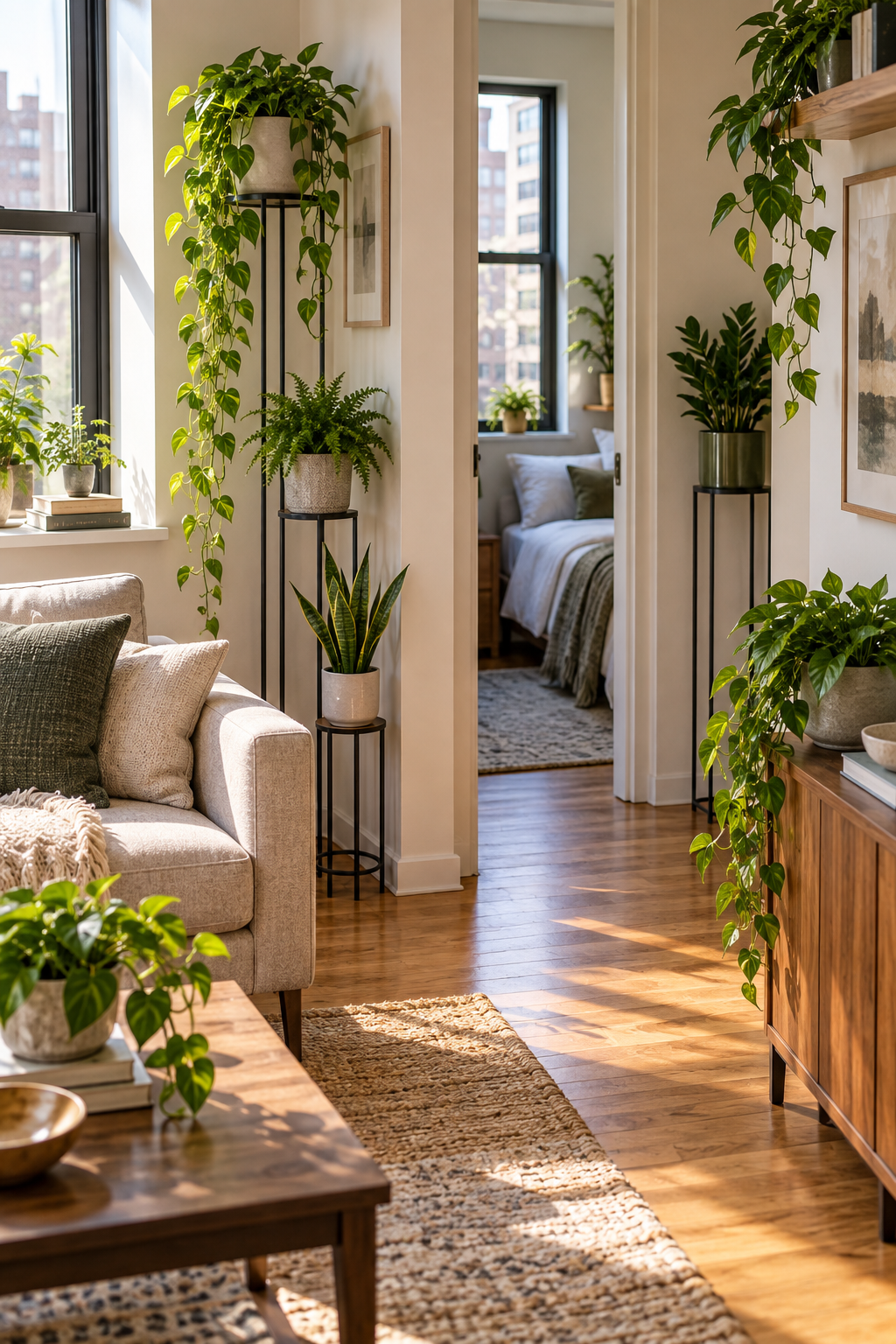
Define the room with use slim plant stands in a small apartment as the main decision in this part of the room. Check the proportion against nearby furniture, ceiling height, windows and walking paths before committing. A limited material palette lets the feature stand out without making the interior feel busy. Repeat one related texture, curve or green tone elsewhere so the composition reads as intentional.
View the arrangement in both daylight and evening light. Keep maintenance, cleaning and everyday use realistic: allow access around furniture, select appropriate bulbs, or leave room to water and rotate plants as the subject requires. Photograph the space from the doorway and remove any secondary object that competes with the focal point. This final edit gives affordable choices a calmer, more polished presence.
8. Hang Plants without Crowding the Floor
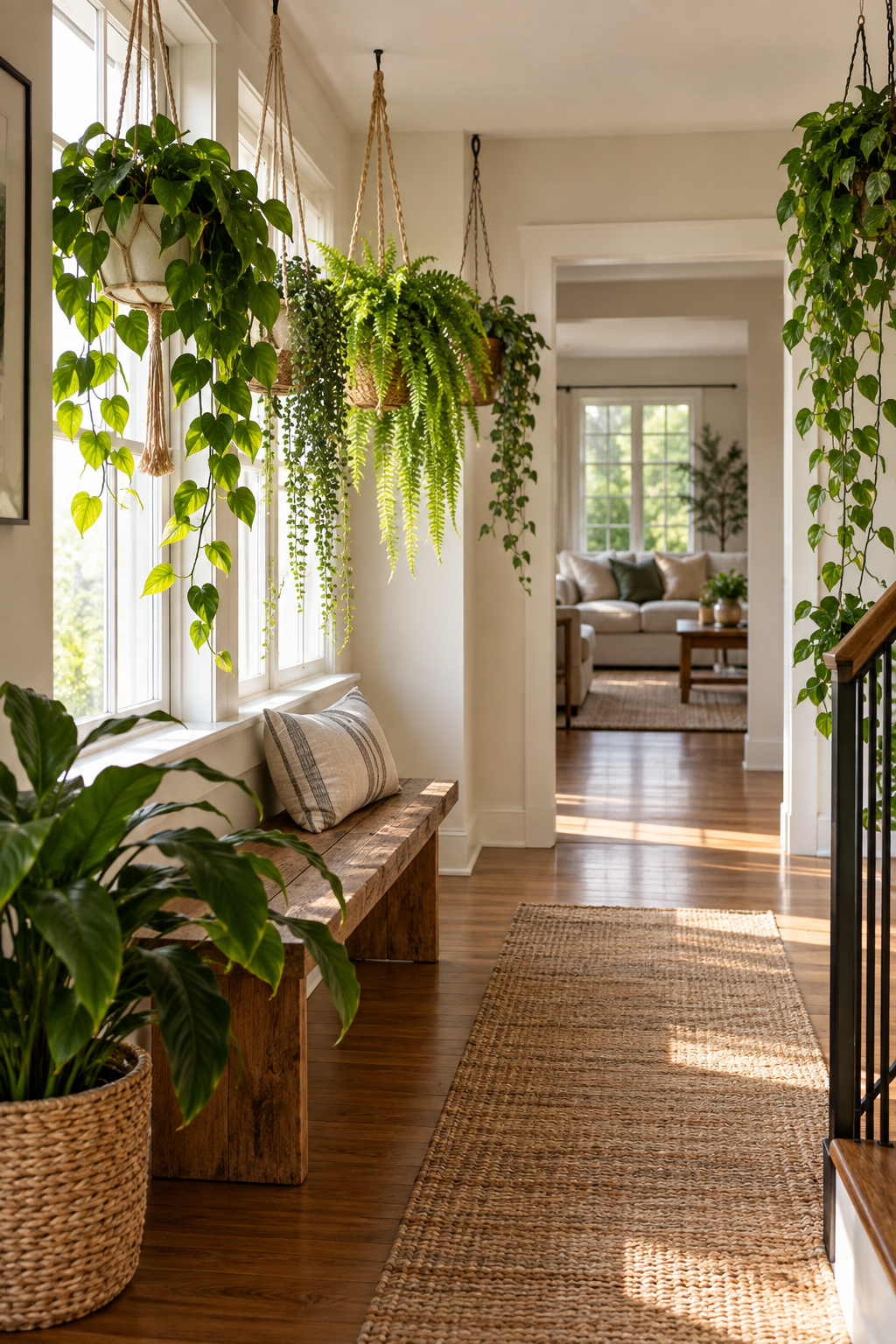
Balance hang plants without crowding the floor as the main decision in this part of the room. Check the proportion against nearby furniture, ceiling height, windows and walking paths before committing. A limited material palette lets the feature stand out without making the interior feel busy. Repeat one related texture, curve or green tone elsewhere so the composition reads as intentional.
View the arrangement in both daylight and evening light. Keep maintenance, cleaning and everyday use realistic: allow access around furniture, select appropriate bulbs, or leave room to water and rotate plants as the subject requires. Photograph the space from the doorway and remove any secondary object that competes with the focal point. This final edit gives affordable choices a calmer, more polished presence.
9. Choose One Large Plant for a Minimal Room
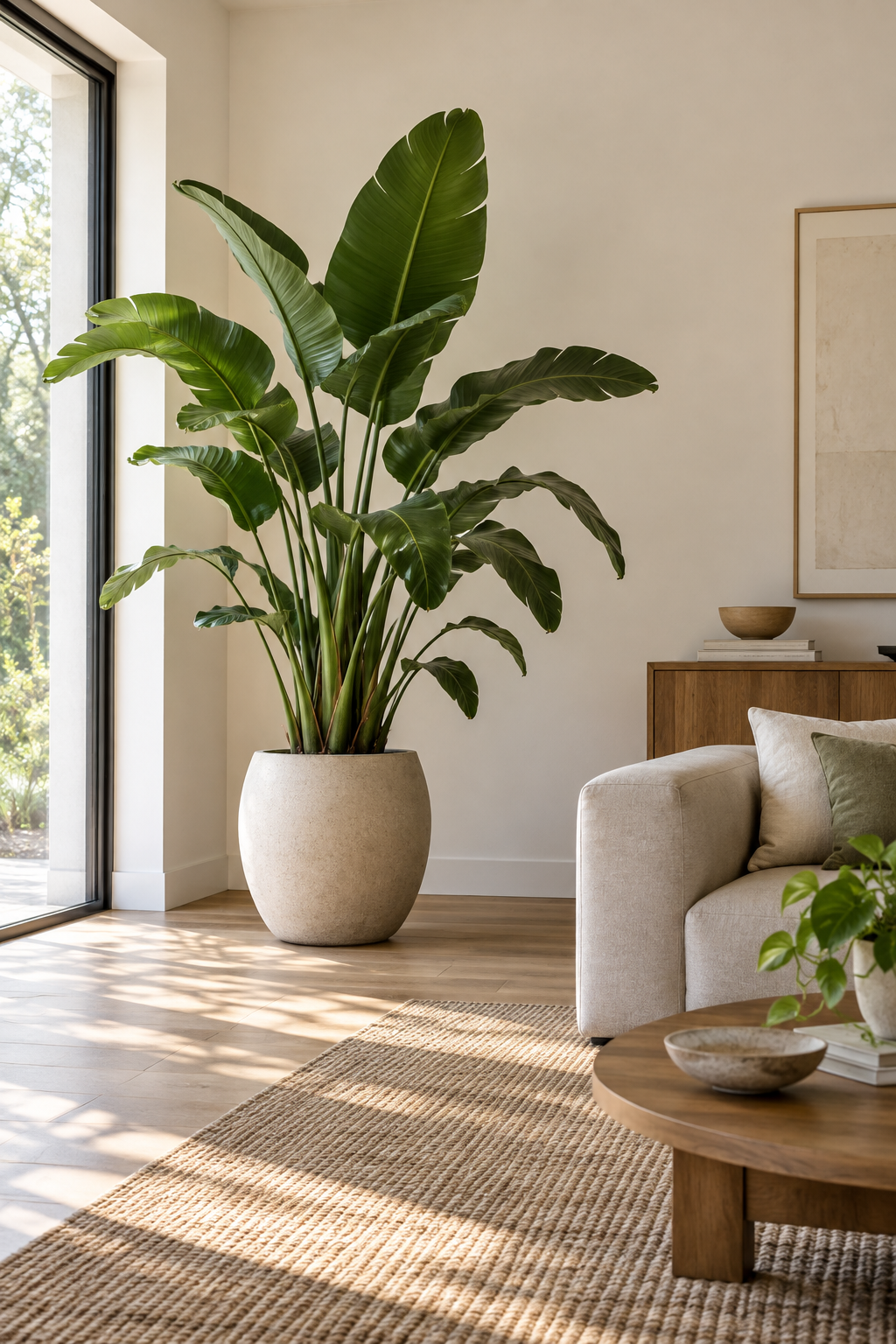
Highlight choose one large plant for a minimal room as the main decision in this part of the room. Check the proportion against nearby furniture, ceiling height, windows and walking paths before committing. A limited material palette lets the feature stand out without making the interior feel busy. Repeat one related texture, curve or green tone elsewhere so the composition reads as intentional.
View the arrangement in both daylight and evening light. Keep maintenance, cleaning and everyday use realistic: allow access around furniture, select appropriate bulbs, or leave room to water and rotate plants as the subject requires. Photograph the space from the doorway and remove any secondary object that competes with the focal point. This final edit gives affordable choices a calmer, more polished presence.
10. Layer Greenery around a Media Console
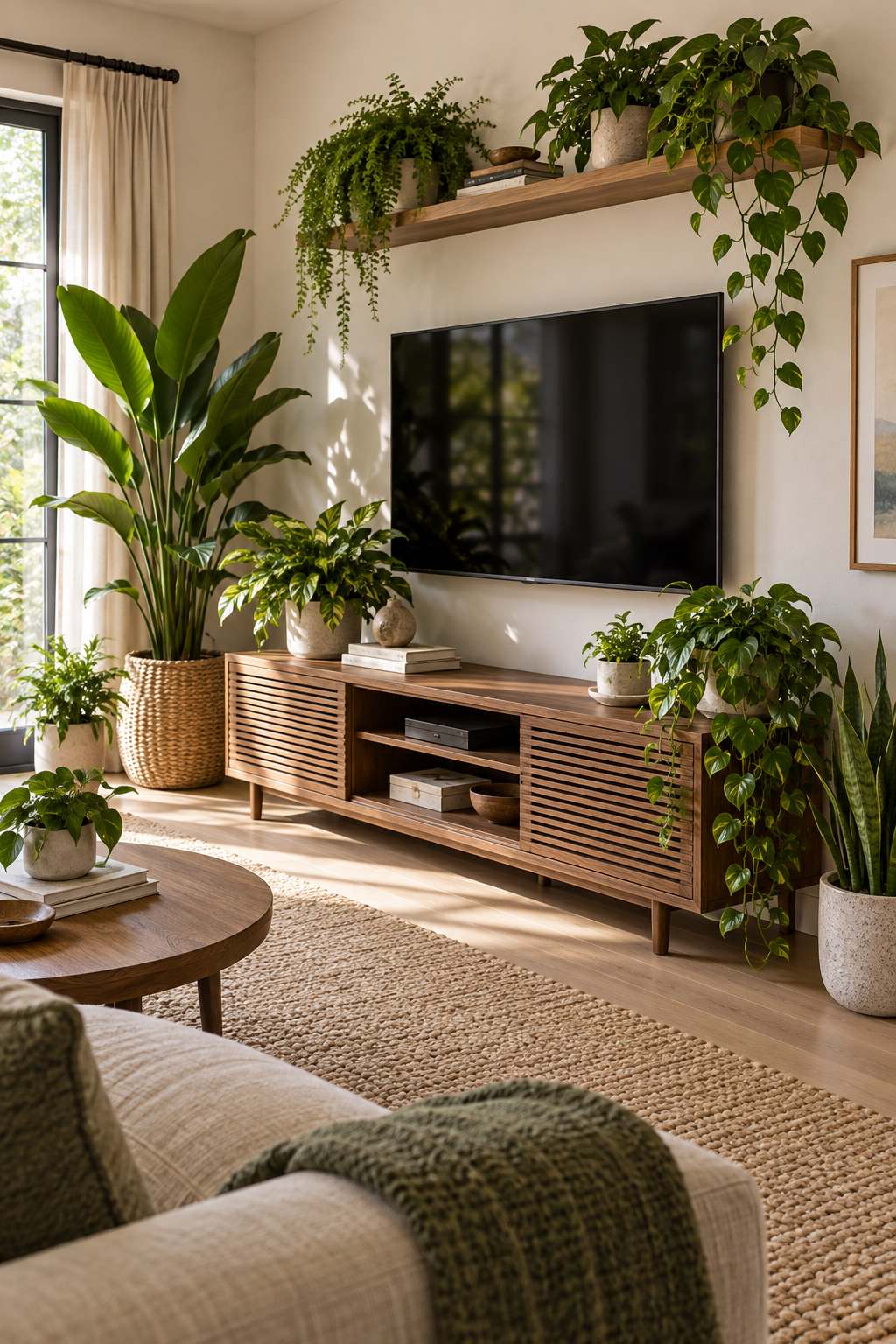
Refresh the space with layer greenery around a media console as the main decision in this part of the room. Check the proportion against nearby furniture, ceiling height, windows and walking paths before committing. A limited material palette lets the feature stand out without making the interior feel busy. Repeat one related texture, curve or green tone elsewhere so the composition reads as intentional.
View the arrangement in both daylight and evening light. Keep maintenance, cleaning and everyday use realistic: allow access around furniture, select appropriate bulbs, or leave room to water and rotate plants as the subject requires. Photograph the space from the doorway and remove any secondary object that competes with the focal point. This final edit gives affordable choices a calmer, more polished presence.
11. Add Plants to an Open Bathroom Shelf
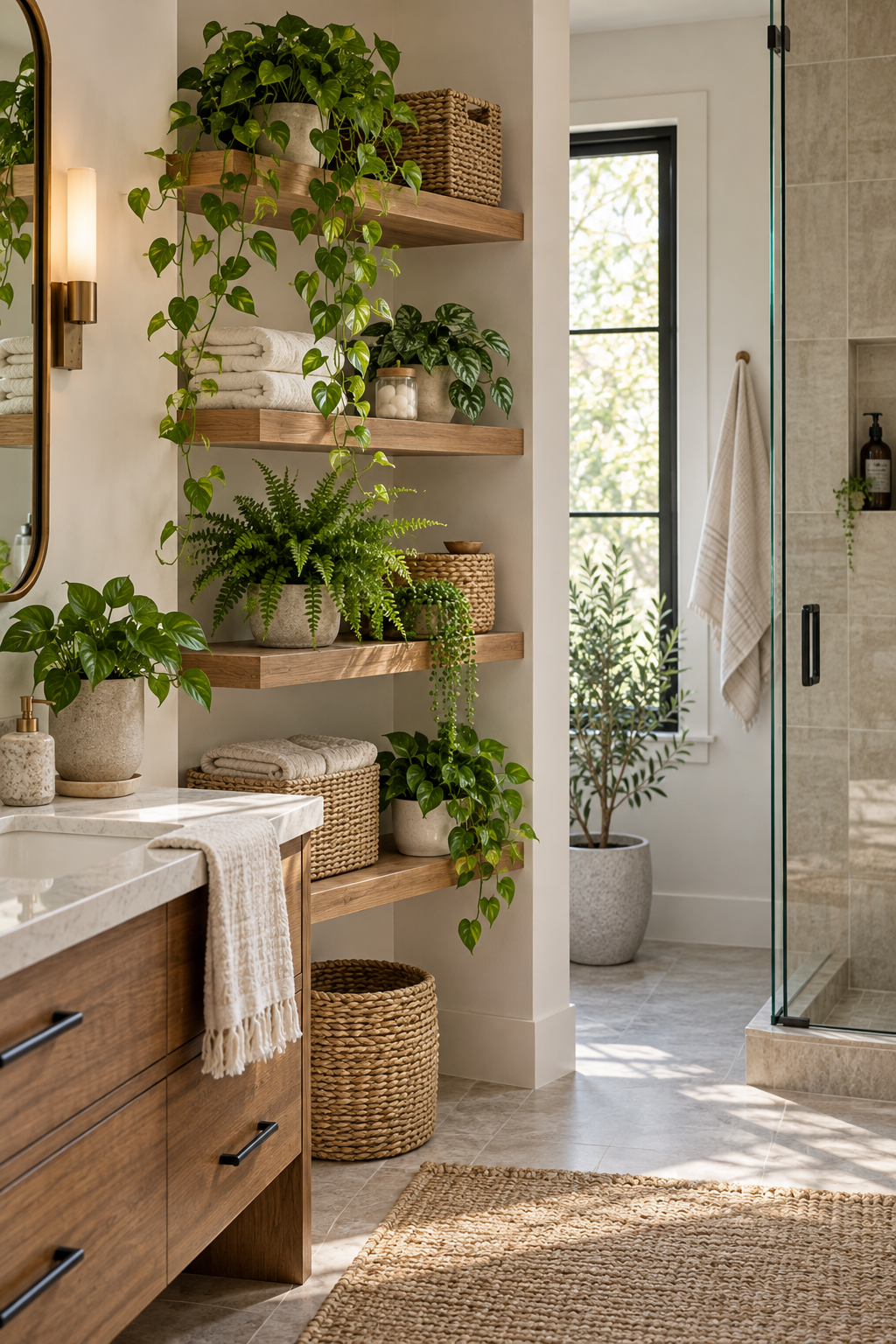
Build around add plants to an open bathroom shelf as the main decision in this part of the room. Check the proportion against nearby furniture, ceiling height, windows and walking paths before committing. A limited material palette lets the feature stand out without making the interior feel busy. Repeat one related texture, curve or green tone elsewhere so the composition reads as intentional.
View the arrangement in both daylight and evening light. Keep maintenance, cleaning and everyday use realistic: allow access around furniture, select appropriate bulbs, or leave room to water and rotate plants as the subject requires. Photograph the space from the doorway and remove any secondary object that competes with the focal point. This final edit gives affordable choices a calmer, more polished presence.
12. Create a Calm Bedroom Plant Corner
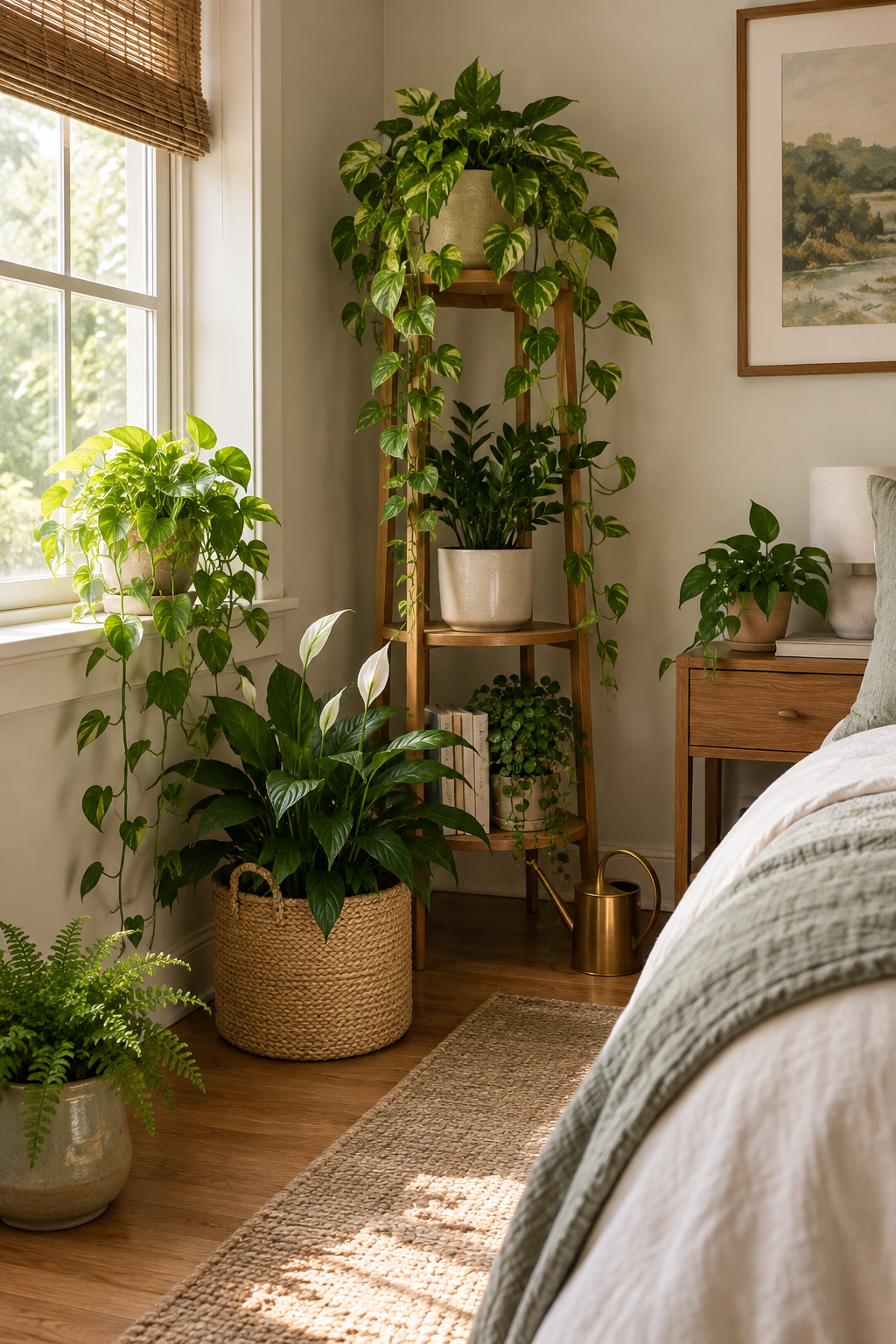
Try create a calm bedroom plant corner as the main decision in this part of the room. Check the proportion against nearby furniture, ceiling height, windows and walking paths before committing. A limited material palette lets the feature stand out without making the interior feel busy. Repeat one related texture, curve or green tone elsewhere so the composition reads as intentional.
View the arrangement in both daylight and evening light. Keep maintenance, cleaning and everyday use realistic: allow access around furniture, select appropriate bulbs, or leave room to water and rotate plants as the subject requires. Photograph the space from the doorway and remove any secondary object that competes with the focal point. This final edit gives affordable choices a calmer, more polished presence.
13. Use Terracotta Pots for Warmth
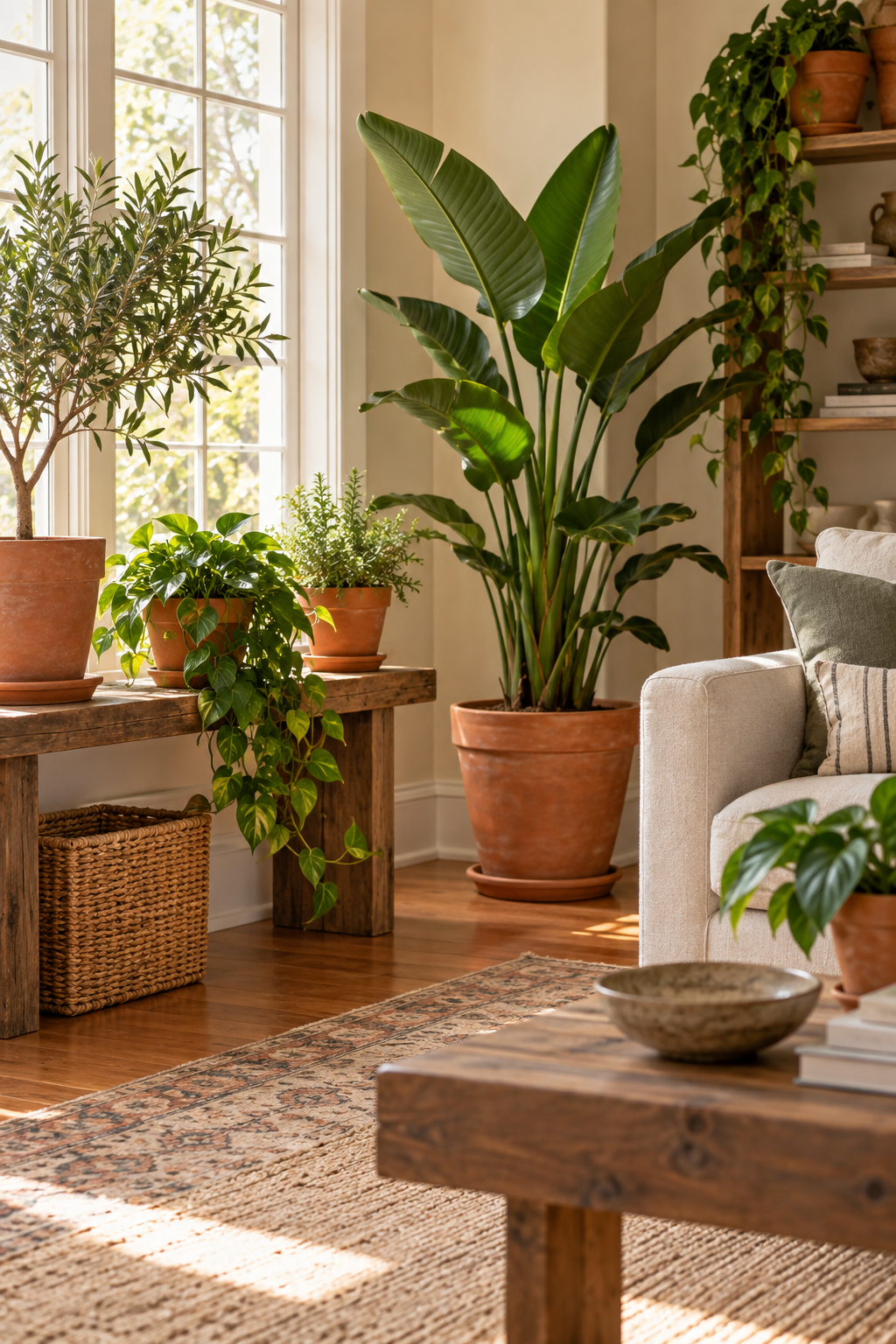
Make room for use terracotta pots for warmth as the main decision in this part of the room. Check the proportion against nearby furniture, ceiling height, windows and walking paths before committing. A limited material palette lets the feature stand out without making the interior feel busy. Repeat one related texture, curve or green tone elsewhere so the composition reads as intentional.
View the arrangement in both daylight and evening light. Keep maintenance, cleaning and everyday use realistic: allow access around furniture, select appropriate bulbs, or leave room to water and rotate plants as the subject requires. Photograph the space from the doorway and remove any secondary object that competes with the focal point. This final edit gives affordable choices a calmer, more polished presence.
14. Choose Matching Pots for a Cleaner Look
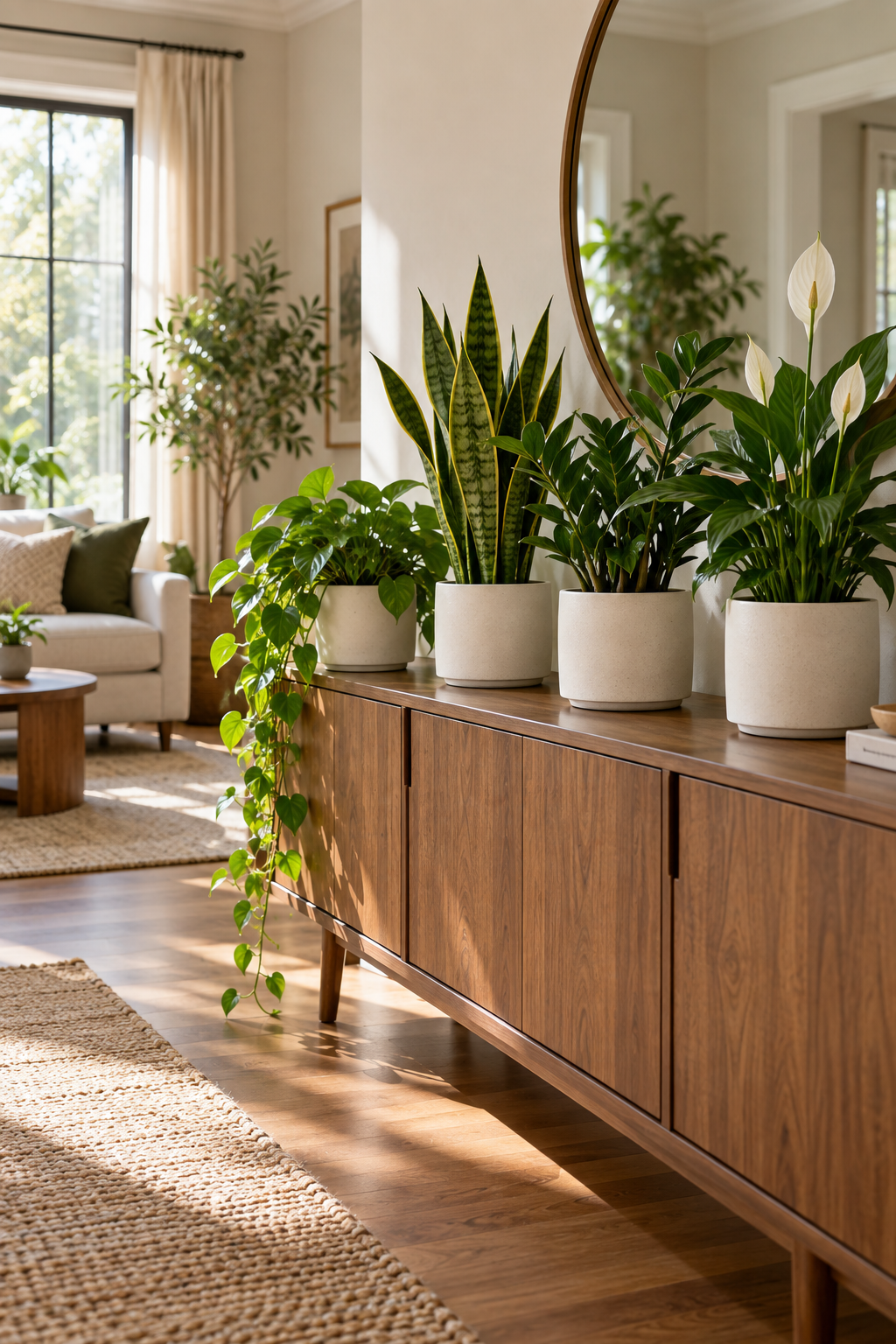
Style choose matching pots for a cleaner look as the main decision in this part of the room. Check the proportion against nearby furniture, ceiling height, windows and walking paths before committing. A limited material palette lets the feature stand out without making the interior feel busy. Repeat one related texture, curve or green tone elsewhere so the composition reads as intentional.
View the arrangement in both daylight and evening light. Keep maintenance, cleaning and everyday use realistic: allow access around furniture, select appropriate bulbs, or leave room to water and rotate plants as the subject requires. Photograph the space from the doorway and remove any secondary object that competes with the focal point. This final edit gives affordable choices a calmer, more polished presence.
15. Mix Leaf Shapes instead of Too Many Colors
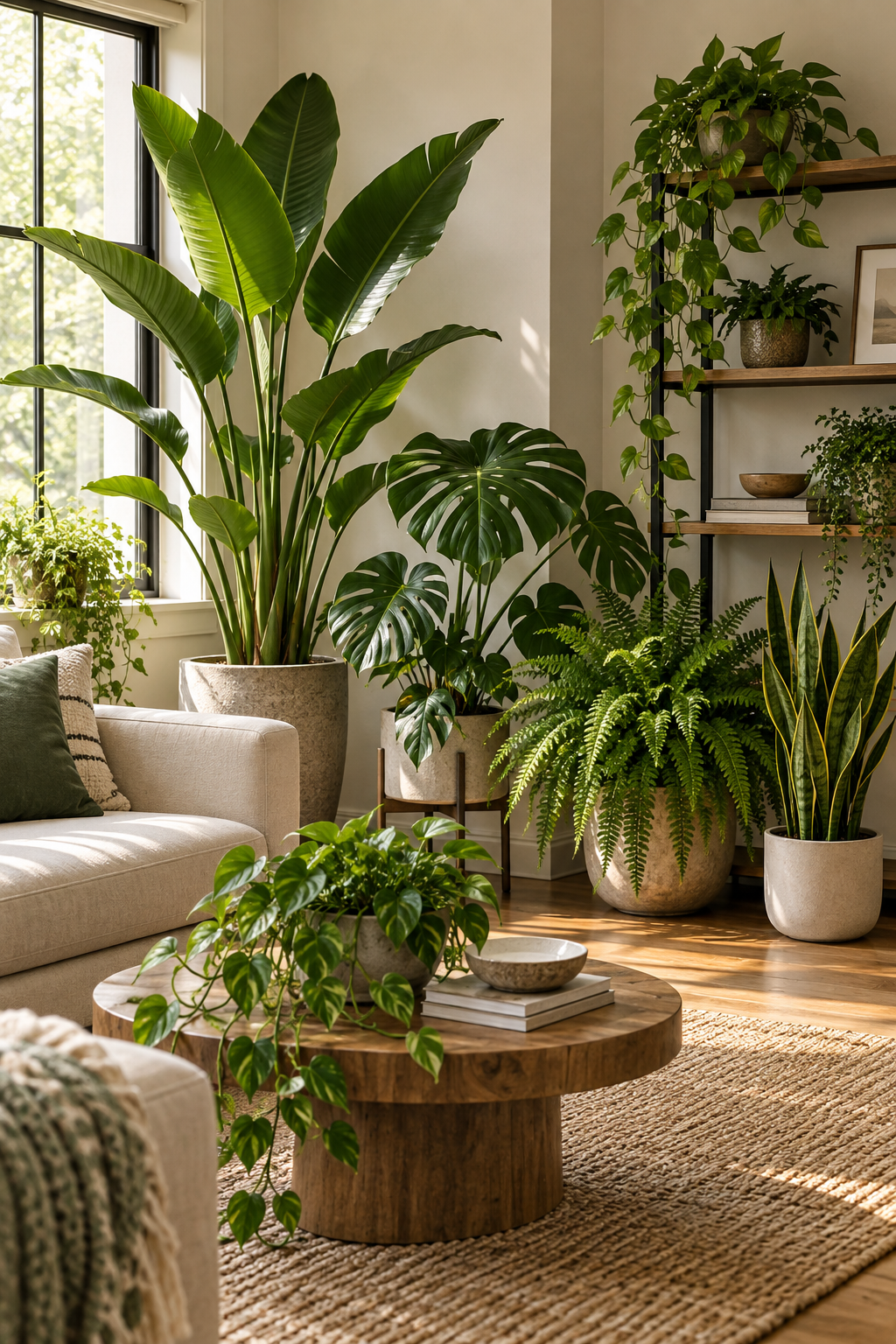
Add warmth through mix leaf shapes instead of too many colors as the main decision in this part of the room. Check the proportion against nearby furniture, ceiling height, windows and walking paths before committing. A limited material palette lets the feature stand out without making the interior feel busy. Repeat one related texture, curve or green tone elsewhere so the composition reads as intentional.
View the arrangement in both daylight and evening light. Keep maintenance, cleaning and everyday use realistic: allow access around furniture, select appropriate bulbs, or leave room to water and rotate plants as the subject requires. Photograph the space from the doorway and remove any secondary object that competes with the focal point. This final edit gives affordable choices a calmer, more polished presence.
16. Style a Console with One Sculptural Plant
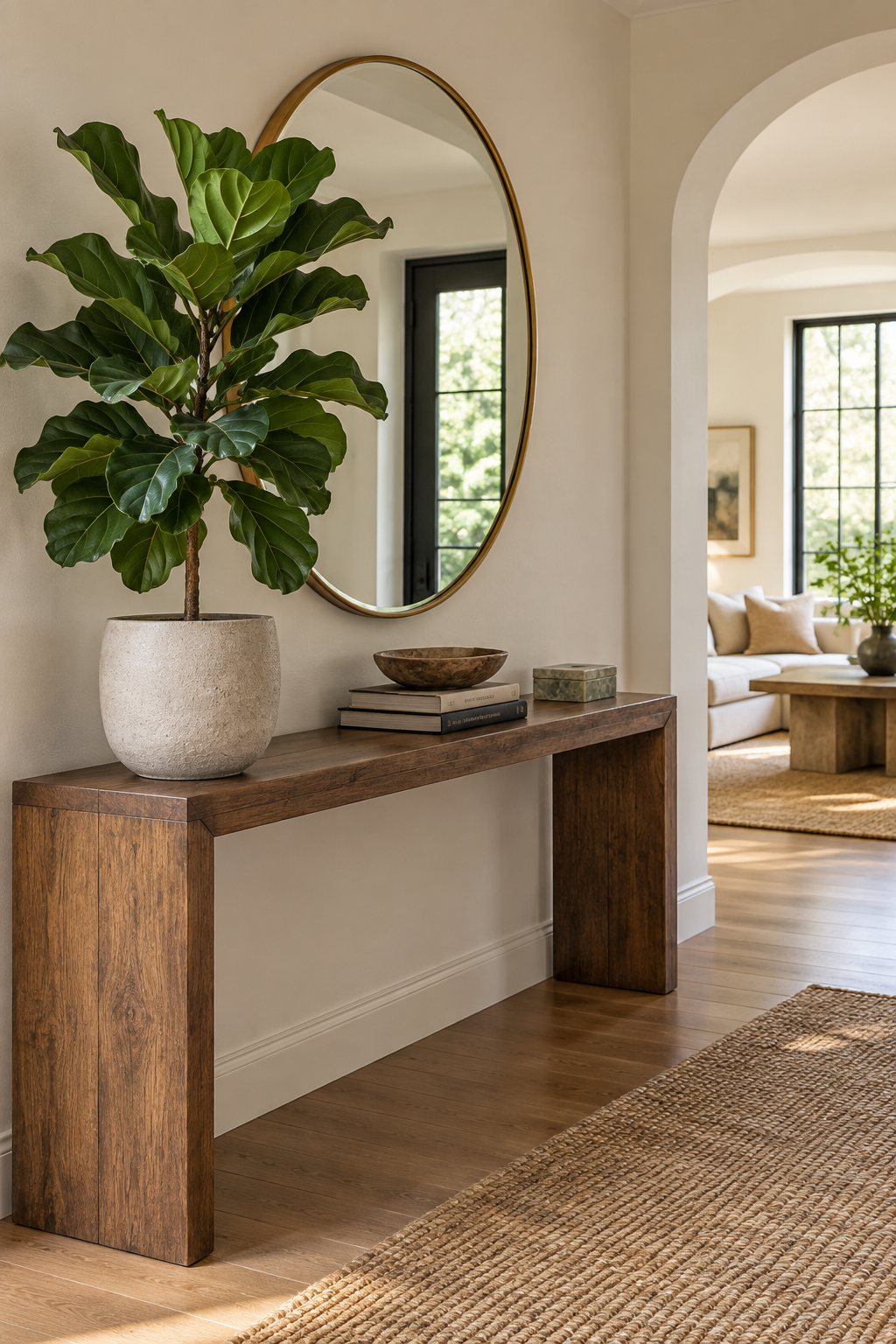
Plan style a console with one sculptural plant as the main decision in this part of the room. Check the proportion against nearby furniture, ceiling height, windows and walking paths before committing. A limited material palette lets the feature stand out without making the interior feel busy. Repeat one related texture, curve or green tone elsewhere so the composition reads as intentional.
View the arrangement in both daylight and evening light. Keep maintenance, cleaning and everyday use realistic: allow access around furniture, select appropriate bulbs, or leave room to water and rotate plants as the subject requires. Photograph the space from the doorway and remove any secondary object that competes with the focal point. This final edit gives affordable choices a calmer, more polished presence.
17. Use a Plant Bench beneath a Window
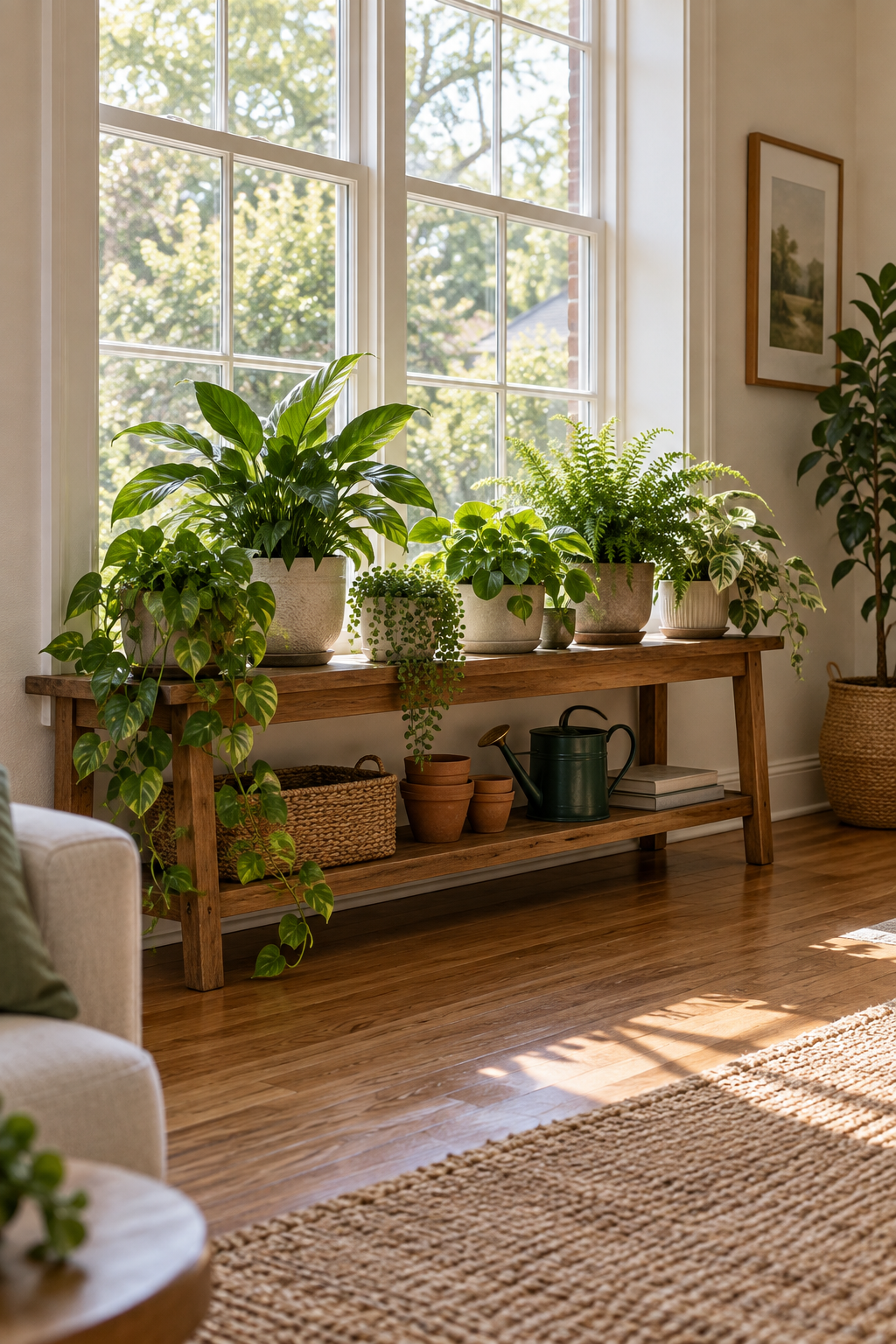
Give the room character with use a plant bench beneath a window as the main decision in this part of the room. Check the proportion against nearby furniture, ceiling height, windows and walking paths before committing. A limited material palette lets the feature stand out without making the interior feel busy. Repeat one related texture, curve or green tone elsewhere so the composition reads as intentional.
View the arrangement in both daylight and evening light. Keep maintenance, cleaning and everyday use realistic: allow access around furniture, select appropriate bulbs, or leave room to water and rotate plants as the subject requires. Photograph the space from the doorway and remove any secondary object that competes with the focal point. This final edit gives affordable choices a calmer, more polished presence.
18. Add Greenery to a Home Office
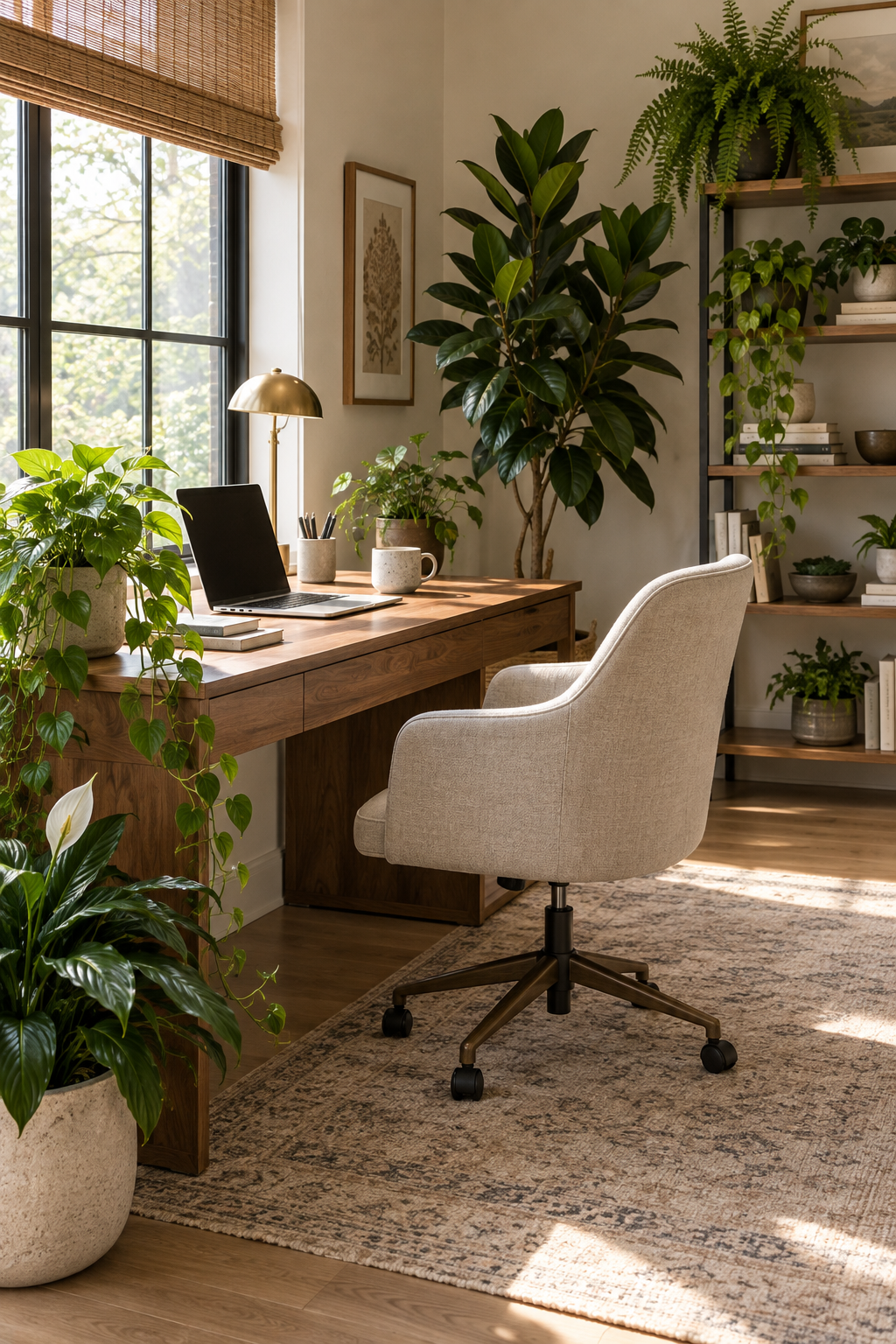
Introduce add greenery to a home office as the main decision in this part of the room. Check the proportion against nearby furniture, ceiling height, windows and walking paths before committing. A limited material palette lets the feature stand out without making the interior feel busy. Repeat one related texture, curve or green tone elsewhere so the composition reads as intentional.
View the arrangement in both daylight and evening light. Keep maintenance, cleaning and everyday use realistic: allow access around furniture, select appropriate bulbs, or leave room to water and rotate plants as the subject requires. Photograph the space from the doorway and remove any secondary object that competes with the focal point. This final edit gives affordable choices a calmer, more polished presence.
19. Create a Dining Room Plant Moment
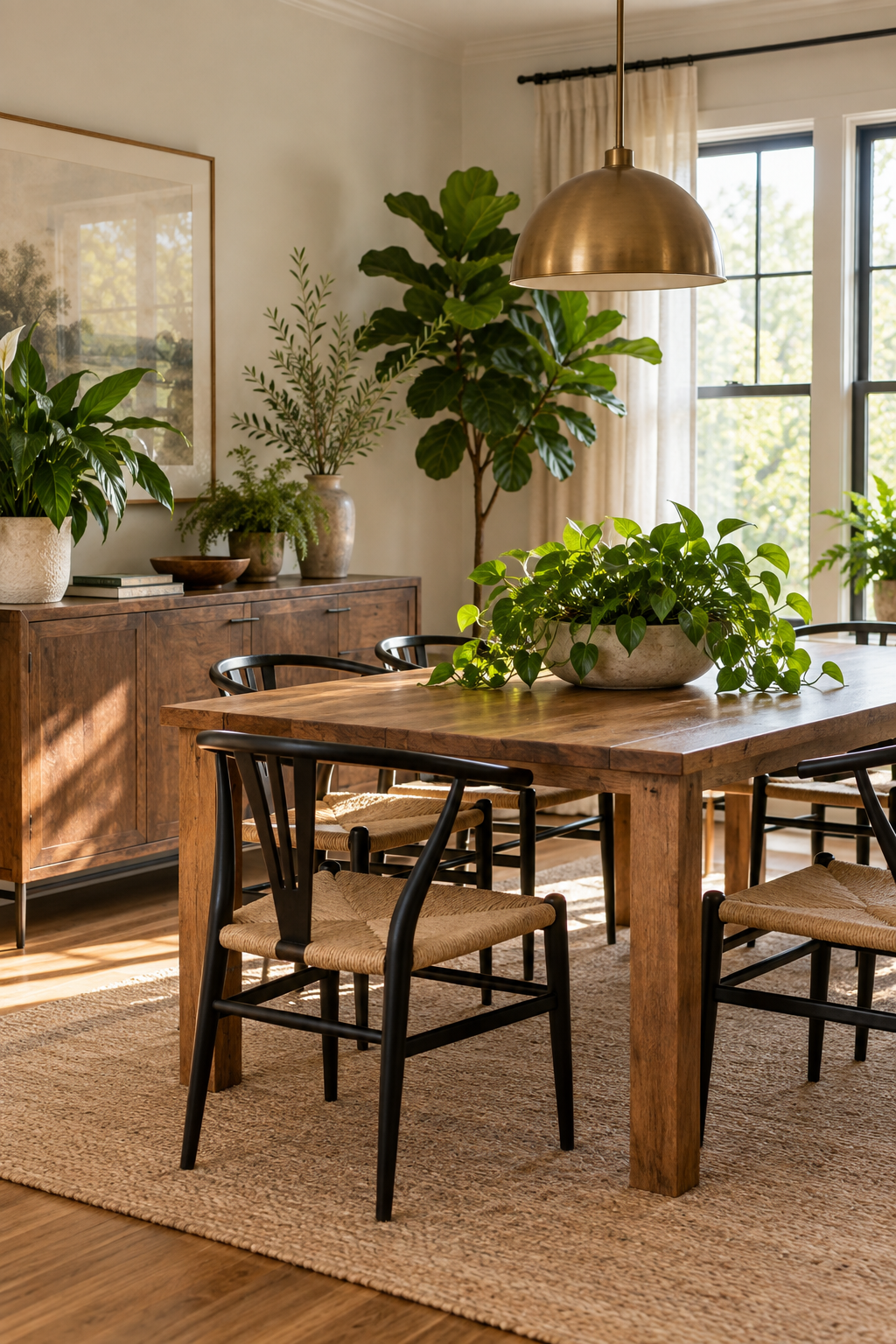
Keep the result practical with create a dining room plant moment as the main decision in this part of the room. Check the proportion against nearby furniture, ceiling height, windows and walking paths before committing. A limited material palette lets the feature stand out without making the interior feel busy. Repeat one related texture, curve or green tone elsewhere so the composition reads as intentional.
View the arrangement in both daylight and evening light. Keep maintenance, cleaning and everyday use realistic: allow access around furniture, select appropriate bulbs, or leave room to water and rotate plants as the subject requires. Photograph the space from the doorway and remove any secondary object that competes with the focal point. This final edit gives affordable choices a calmer, more polished presence.
20. Use a Rolling Cart for Flexible Plant Care
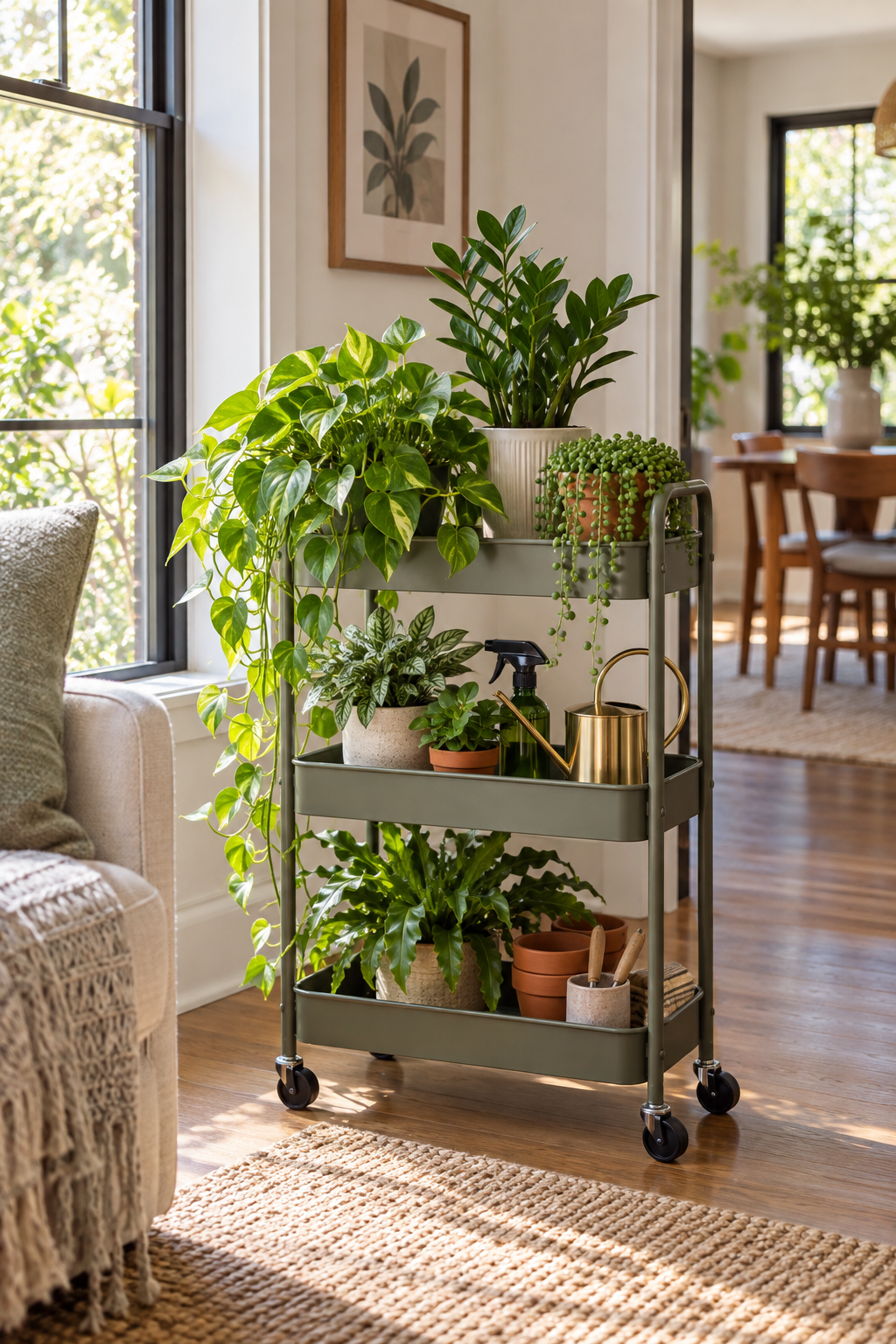
Finish with use a rolling cart for flexible plant care as the main decision in this part of the room. Check the proportion against nearby furniture, ceiling height, windows and walking paths before committing. A limited material palette lets the feature stand out without making the interior feel busy. Repeat one related texture, curve or green tone elsewhere so the composition reads as intentional.
View the arrangement in both daylight and evening light. Keep maintenance, cleaning and everyday use realistic: allow access around furniture, select appropriate bulbs, or leave room to water and rotate plants as the subject requires. Photograph the space from the doorway and remove any secondary object that competes with the focal point. This final edit gives affordable choices a calmer, more polished presence.
21. Style Plants along a Stair Landing
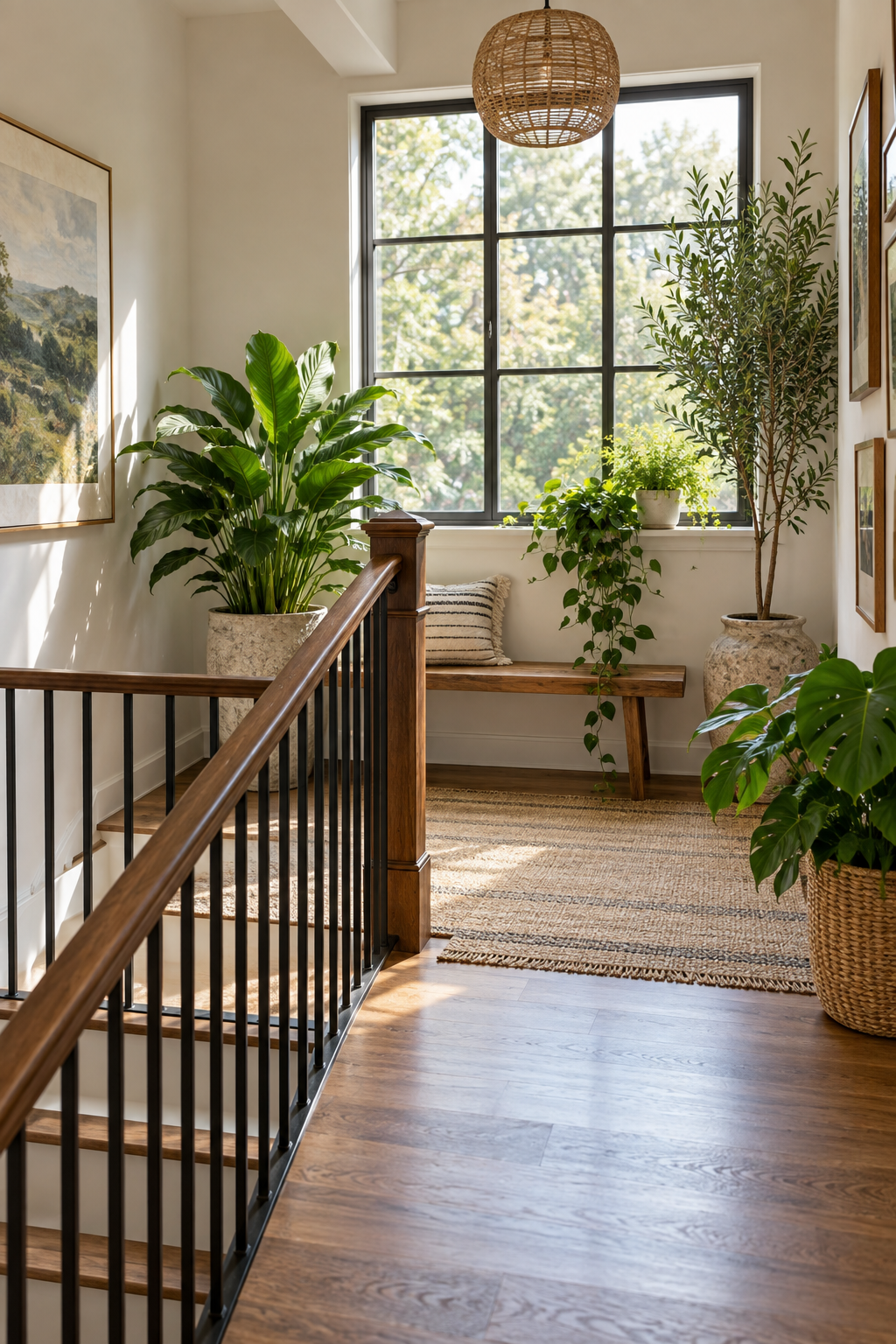
Start with style plants along a stair landing as the main decision in this part of the room. Check the proportion against nearby furniture, ceiling height, windows and walking paths before committing. A limited material palette lets the feature stand out without making the interior feel busy. Repeat one related texture, curve or green tone elsewhere so the composition reads as intentional.
View the arrangement in both daylight and evening light. Keep maintenance, cleaning and everyday use realistic: allow access around furniture, select appropriate bulbs, or leave room to water and rotate plants as the subject requires. Photograph the space from the doorway and remove any secondary object that competes with the focal point. This final edit gives affordable choices a calmer, more polished presence.
22. Add a Moss Pole for Vertical Growth
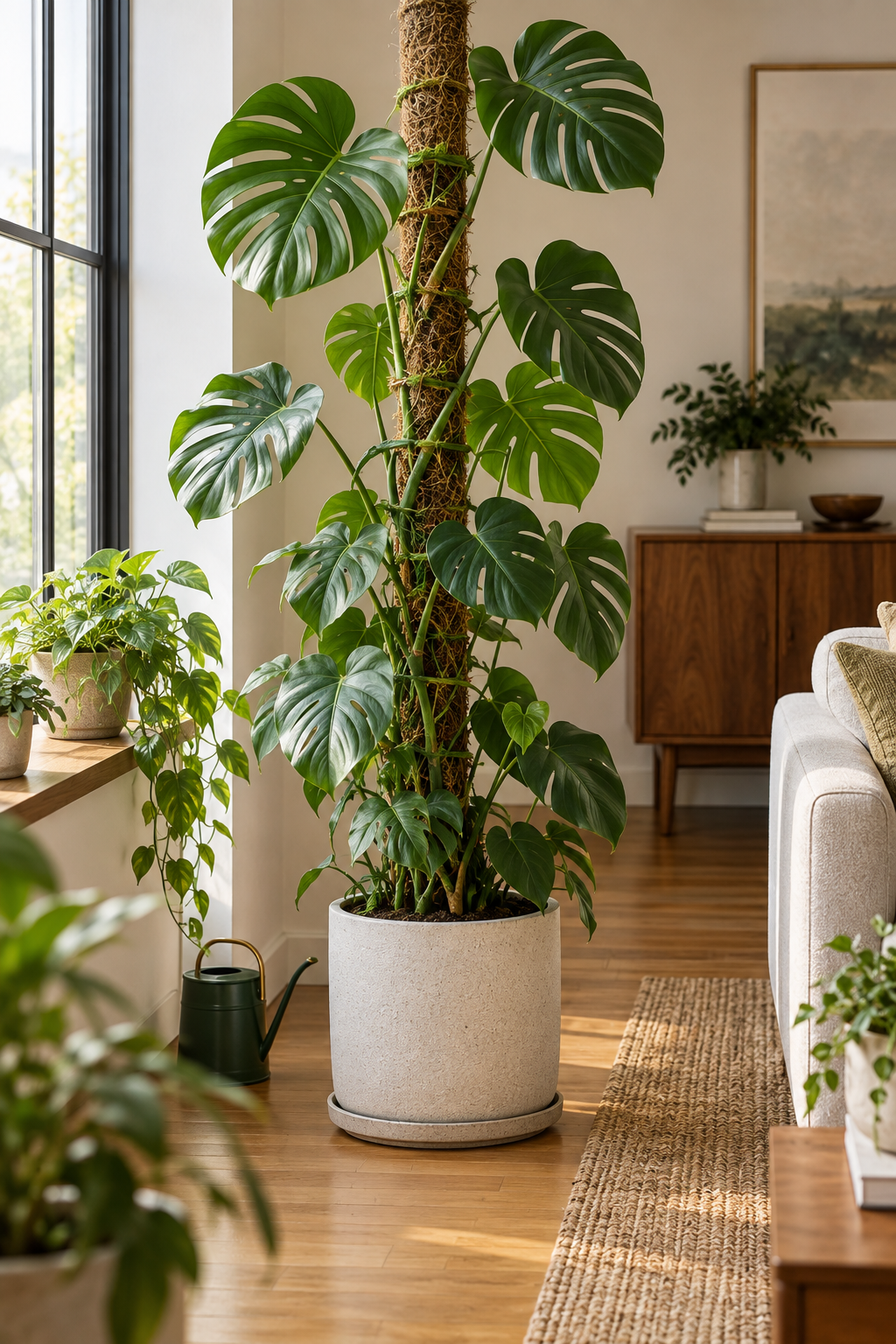
Create add a moss pole for vertical growth as the main decision in this part of the room. Check the proportion against nearby furniture, ceiling height, windows and walking paths before committing. A limited material palette lets the feature stand out without making the interior feel busy. Repeat one related texture, curve or green tone elsewhere so the composition reads as intentional.
View the arrangement in both daylight and evening light. Keep maintenance, cleaning and everyday use realistic: allow access around furniture, select appropriate bulbs, or leave room to water and rotate plants as the subject requires. Photograph the space from the doorway and remove any secondary object that competes with the focal point. This final edit gives affordable choices a calmer, more polished presence.
23. Use Glass Propagation Vessels Sparingly
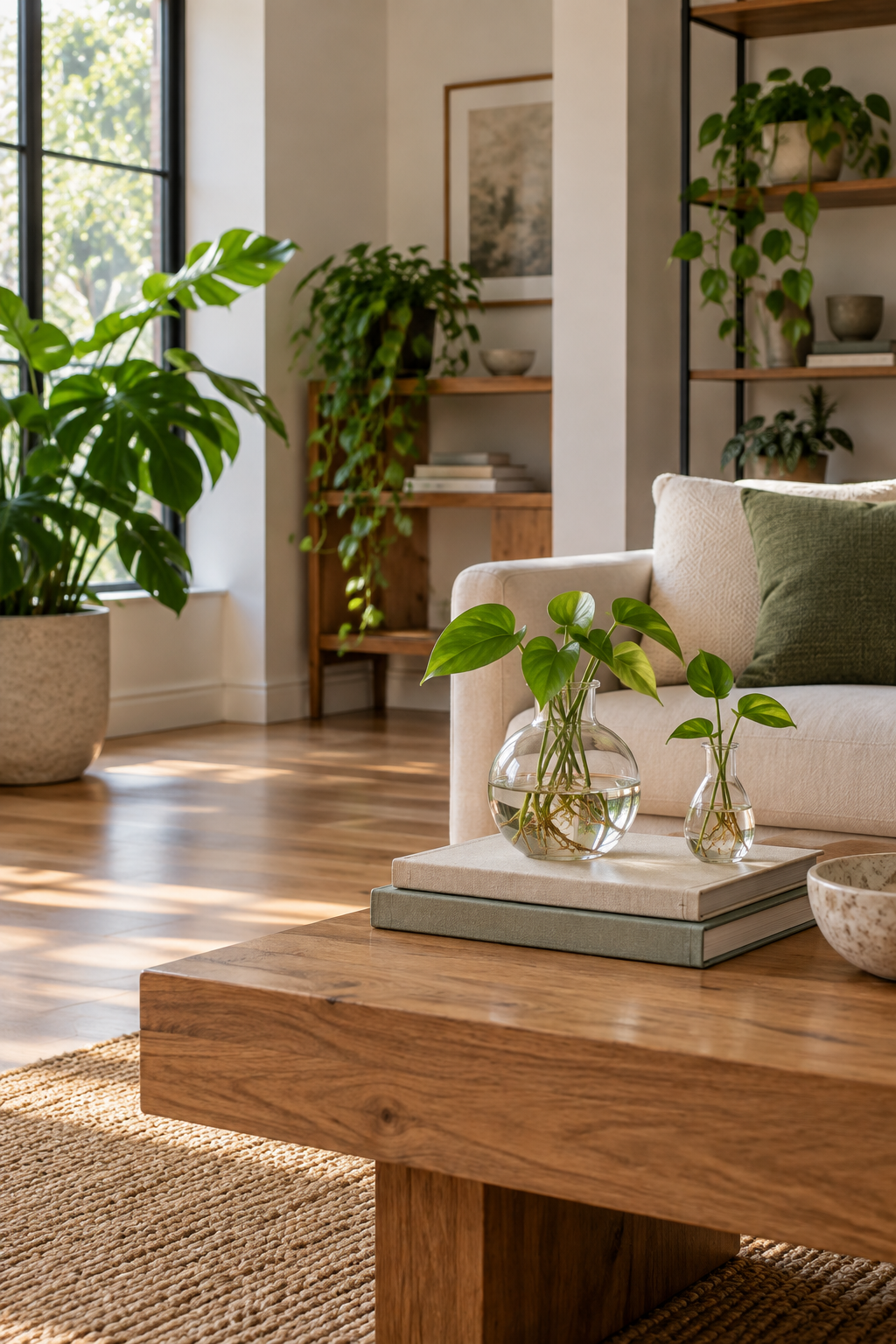
Use use glass propagation vessels sparingly as the main decision in this part of the room. Check the proportion against nearby furniture, ceiling height, windows and walking paths before committing. A limited material palette lets the feature stand out without making the interior feel busy. Repeat one related texture, curve or green tone elsewhere so the composition reads as intentional.
View the arrangement in both daylight and evening light. Keep maintenance, cleaning and everyday use realistic: allow access around furniture, select appropriate bulbs, or leave room to water and rotate plants as the subject requires. Photograph the space from the doorway and remove any secondary object that competes with the focal point. This final edit gives affordable choices a calmer, more polished presence.
24. Pair Plants with Natural Wood Furniture
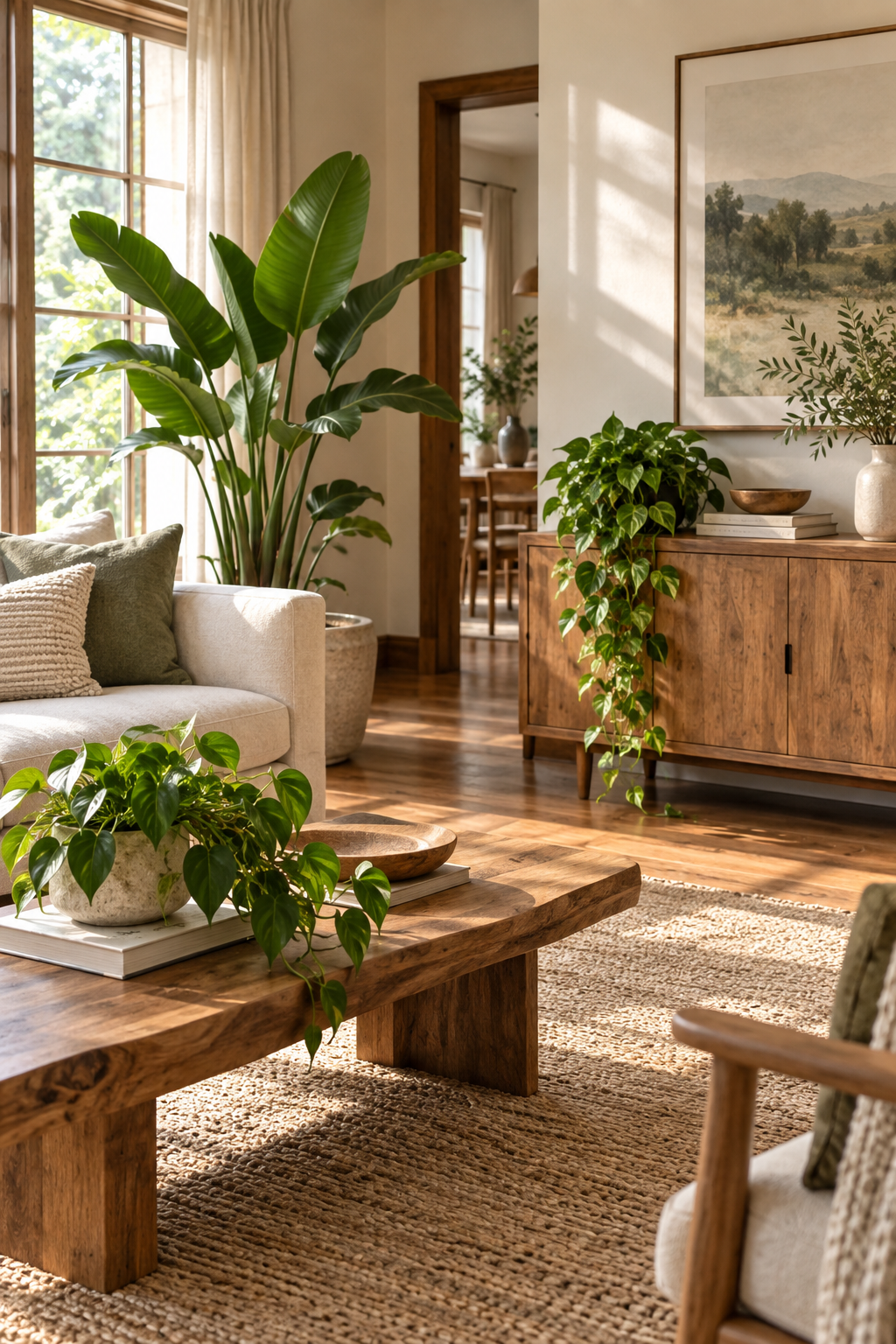
Layer pair plants with natural wood furniture as the main decision in this part of the room. Check the proportion against nearby furniture, ceiling height, windows and walking paths before committing. A limited material palette lets the feature stand out without making the interior feel busy. Repeat one related texture, curve or green tone elsewhere so the composition reads as intentional.
View the arrangement in both daylight and evening light. Keep maintenance, cleaning and everyday use realistic: allow access around furniture, select appropriate bulbs, or leave room to water and rotate plants as the subject requires. Photograph the space from the doorway and remove any secondary object that competes with the focal point. This final edit gives affordable choices a calmer, more polished presence.
25. Create a Green View through Two Rooms
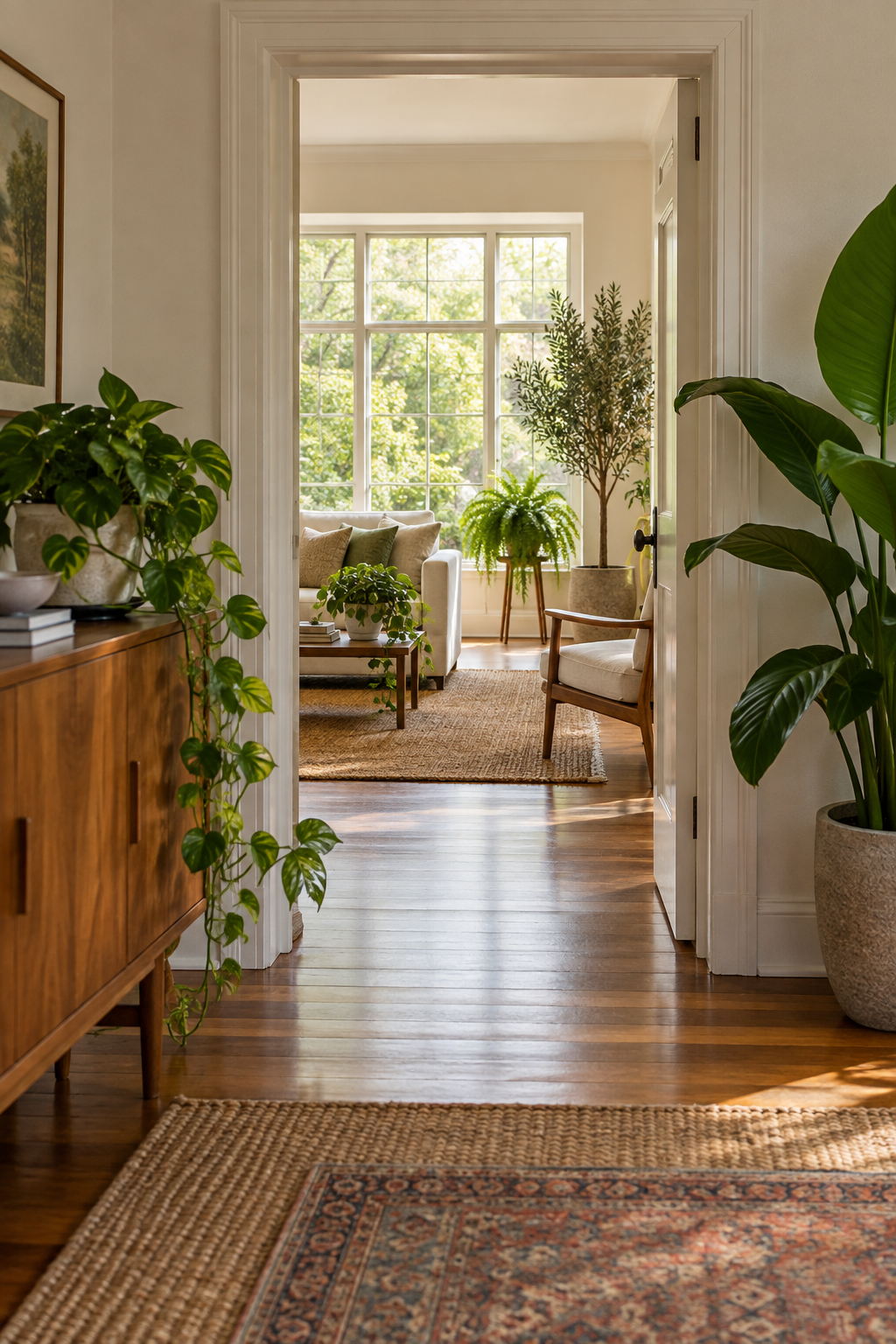
Choose create a green view through two rooms as the main decision in this part of the room. Check the proportion against nearby furniture, ceiling height, windows and walking paths before committing. A limited material palette lets the feature stand out without making the interior feel busy. Repeat one related texture, curve or green tone elsewhere so the composition reads as intentional.
View the arrangement in both daylight and evening light. Keep maintenance, cleaning and everyday use realistic: allow access around furniture, select appropriate bulbs, or leave room to water and rotate plants as the subject requires. Photograph the space from the doorway and remove any secondary object that competes with the focal point. This final edit gives affordable choices a calmer, more polished presence.
26. Keep Pet-Safe Plants in Accessible Areas
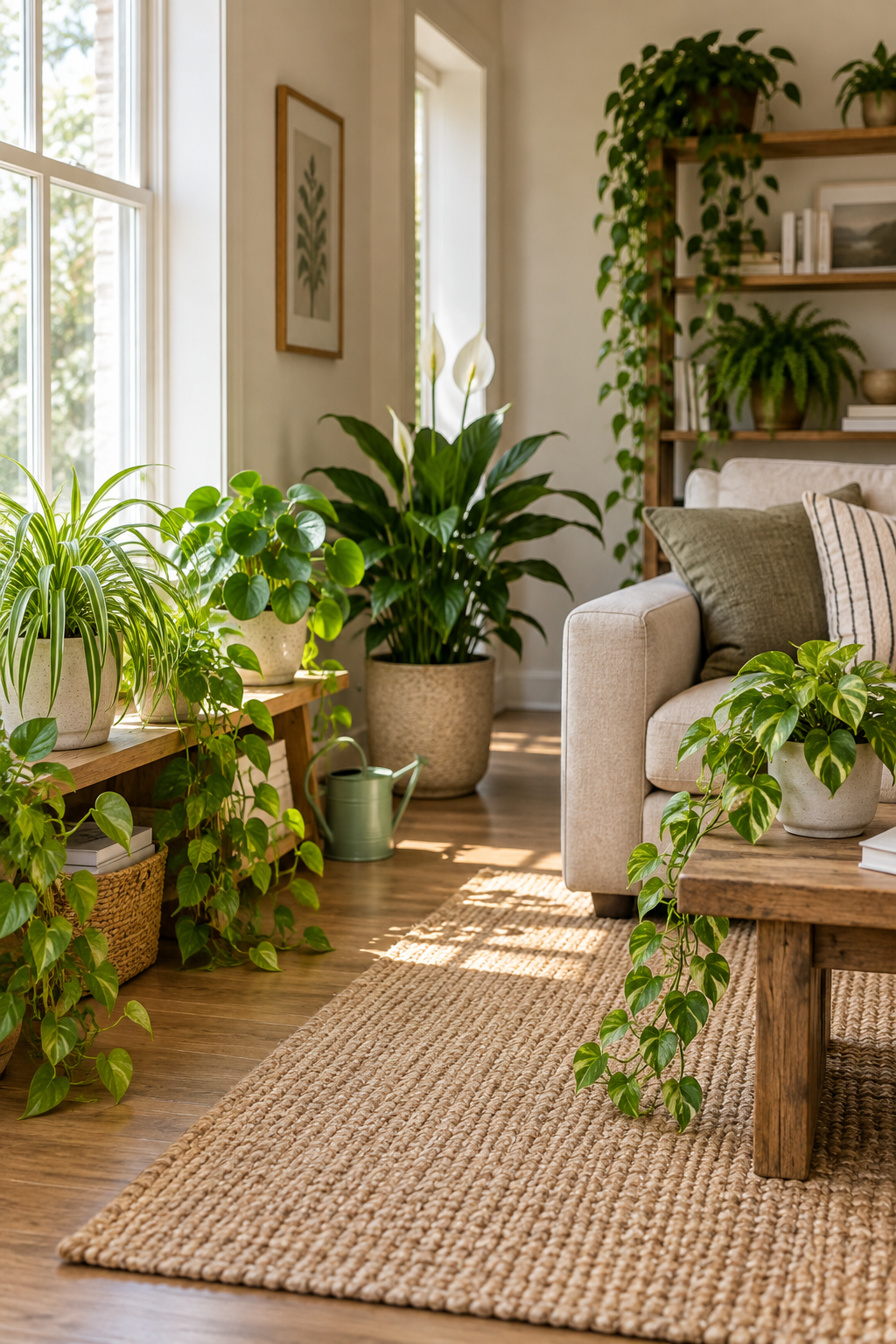
Bring in keep pet-safe plants in accessible areas as the main decision in this part of the room. Check the proportion against nearby furniture, ceiling height, windows and walking paths before committing. A limited material palette lets the feature stand out without making the interior feel busy. Repeat one related texture, curve or green tone elsewhere so the composition reads as intentional.
View the arrangement in both daylight and evening light. Keep maintenance, cleaning and everyday use realistic: allow access around furniture, select appropriate bulbs, or leave room to water and rotate plants as the subject requires. Photograph the space from the doorway and remove any secondary object that competes with the focal point. This final edit gives affordable choices a calmer, more polished presence.
27. Leave Space for Growth and Maintenance
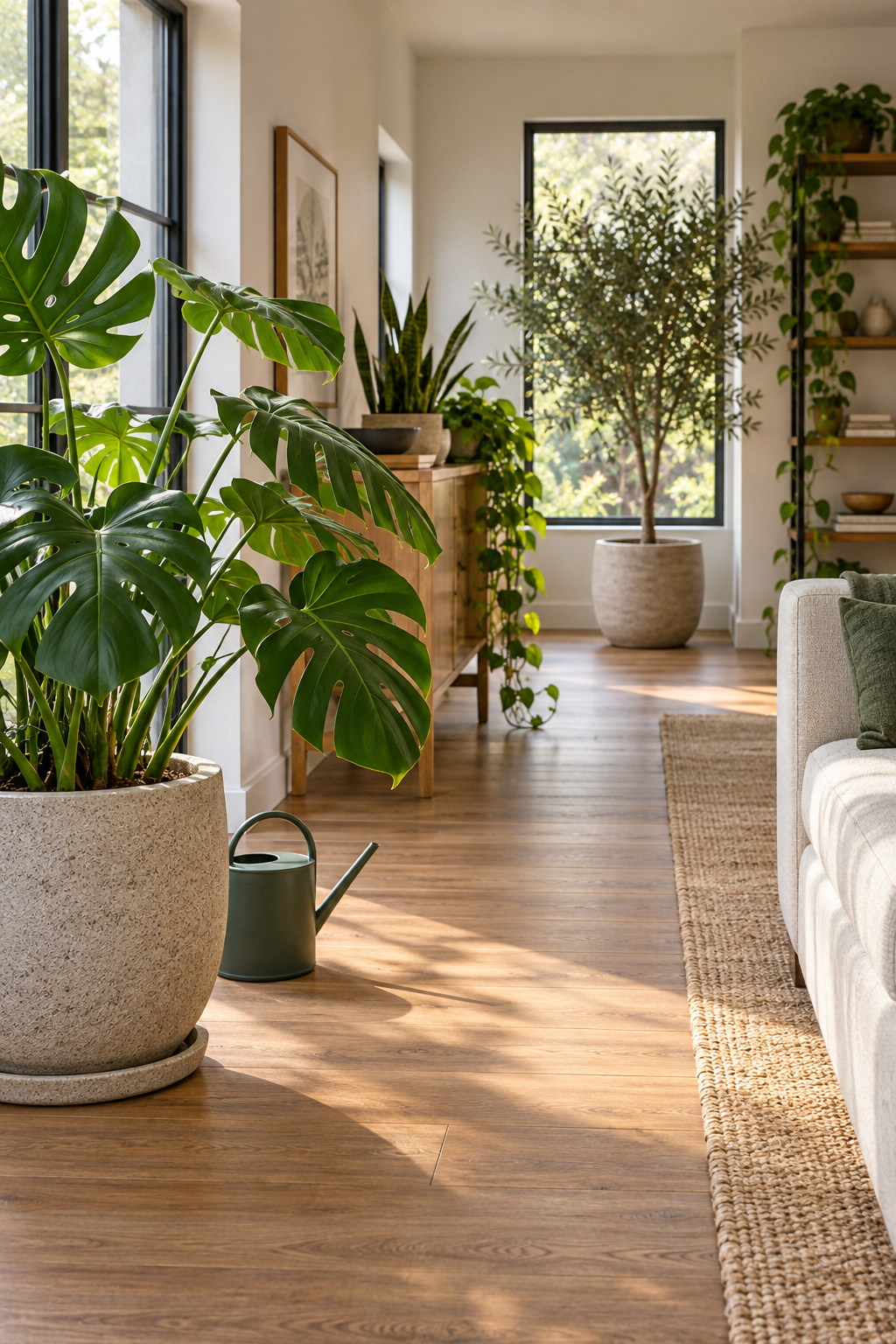
Define the room with leave space for growth and maintenance as the main decision in this part of the room. Check the proportion against nearby furniture, ceiling height, windows and walking paths before committing. A limited material palette lets the feature stand out without making the interior feel busy. Repeat one related texture, curve or green tone elsewhere so the composition reads as intentional.
View the arrangement in both daylight and evening light. Keep maintenance, cleaning and everyday use realistic: allow access around furniture, select appropriate bulbs, or leave room to water and rotate plants as the subject requires. Photograph the space from the doorway and remove any secondary object that competes with the focal point. This final edit gives affordable choices a calmer, more polished presence.
28. Build a Lush but Edited Whole-Home Rhythm
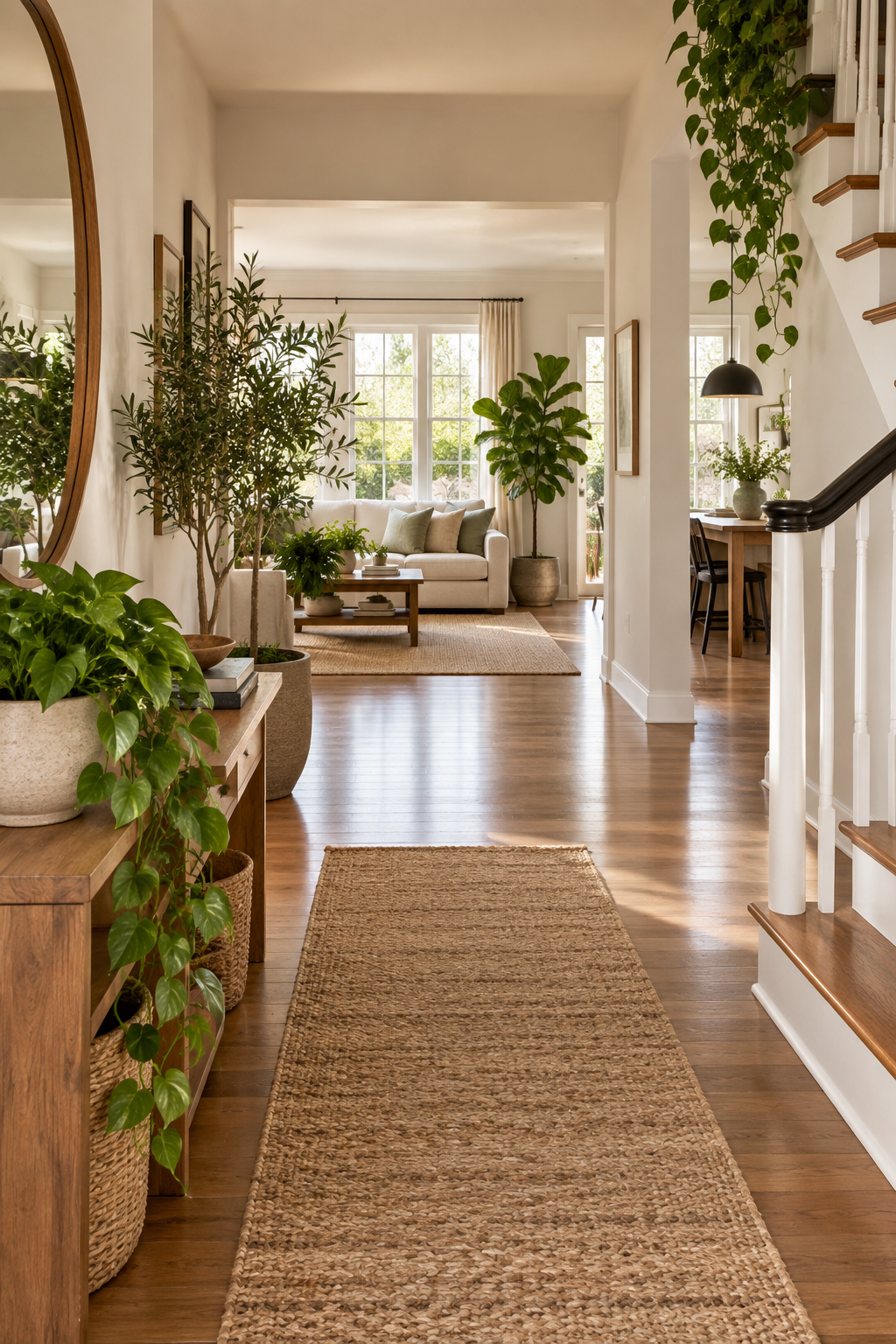
Balance build a lush but edited whole-home rhythm as the main decision in this part of the room. Check the proportion against nearby furniture, ceiling height, windows and walking paths before committing. A limited material palette lets the feature stand out without making the interior feel busy. Repeat one related texture, curve or green tone elsewhere so the composition reads as intentional.
View the arrangement in both daylight and evening light. Keep maintenance, cleaning and everyday use realistic: allow access around furniture, select appropriate bulbs, or leave room to water and rotate plants as the subject requires. Photograph the space from the doorway and remove any secondary object that competes with the focal point. This final edit gives affordable choices a calmer, more polished presence.
Final Styling Notes
A welcoming interior depends on proportion, repetition and enough open space. Measure first, prioritize comfort and maintenance, and allow the strongest element to lead. When color, texture and shape appear in a controlled rhythm, the room feels finished without relying on excess accessories.