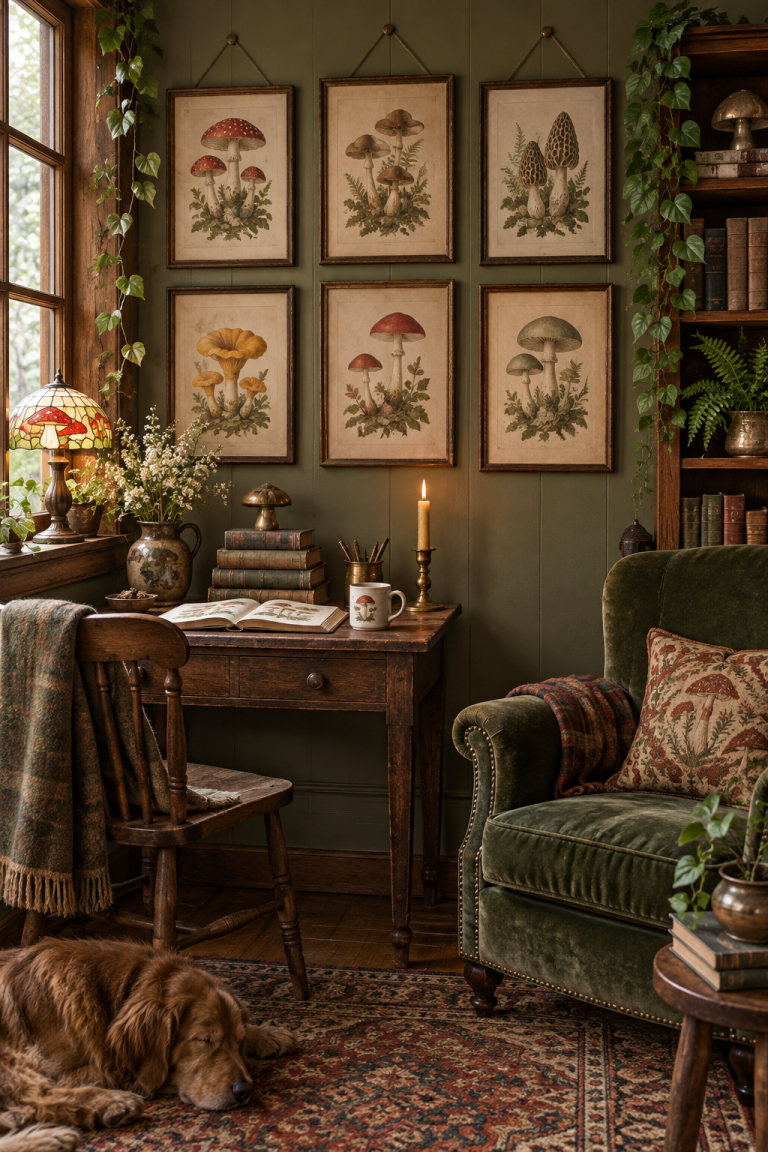
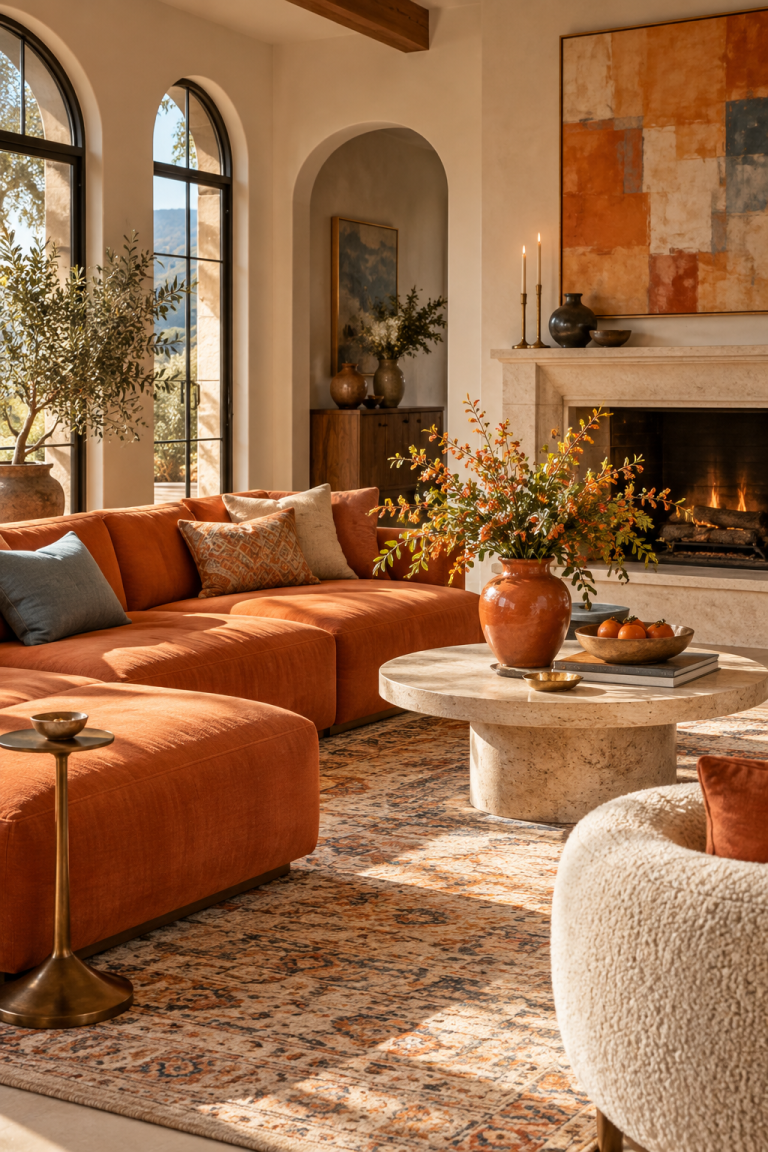
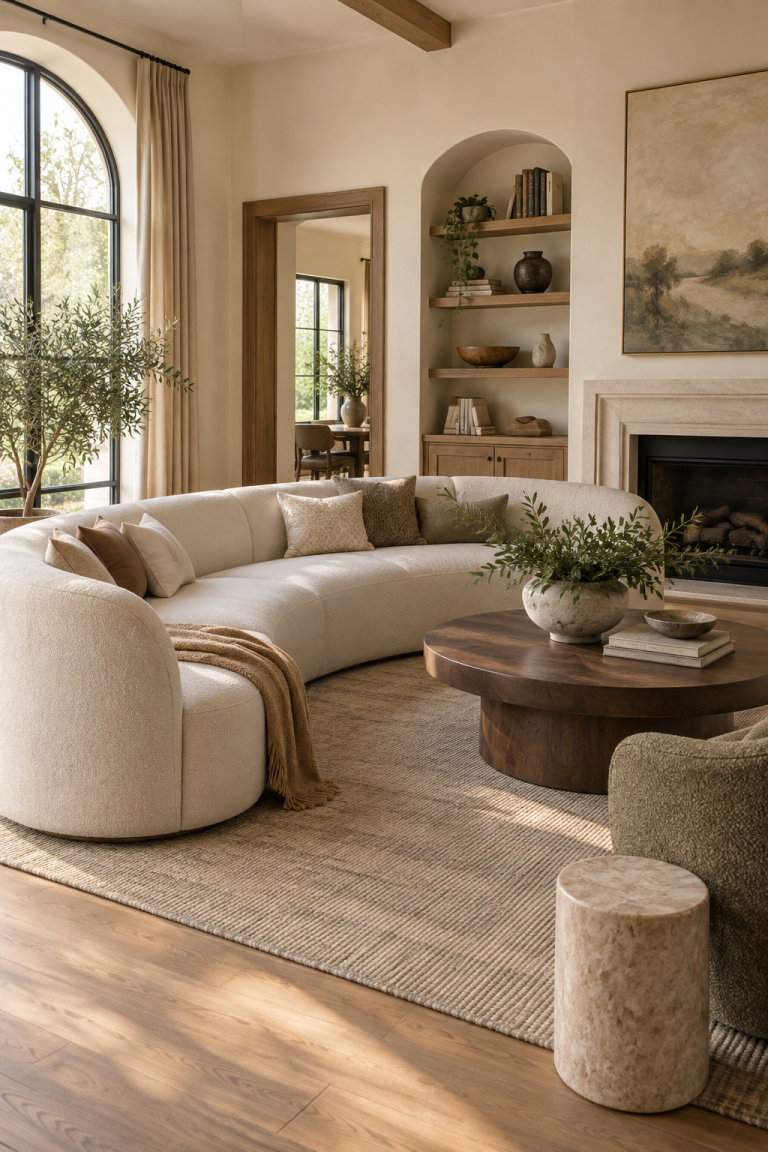
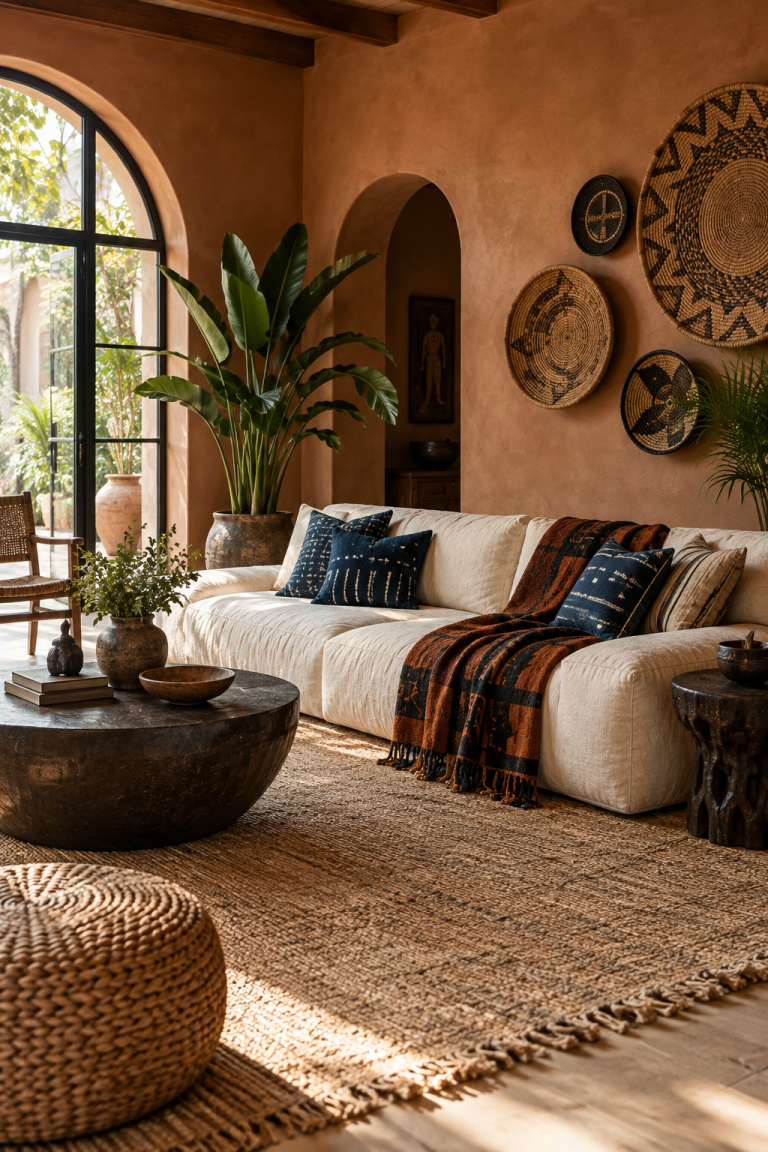
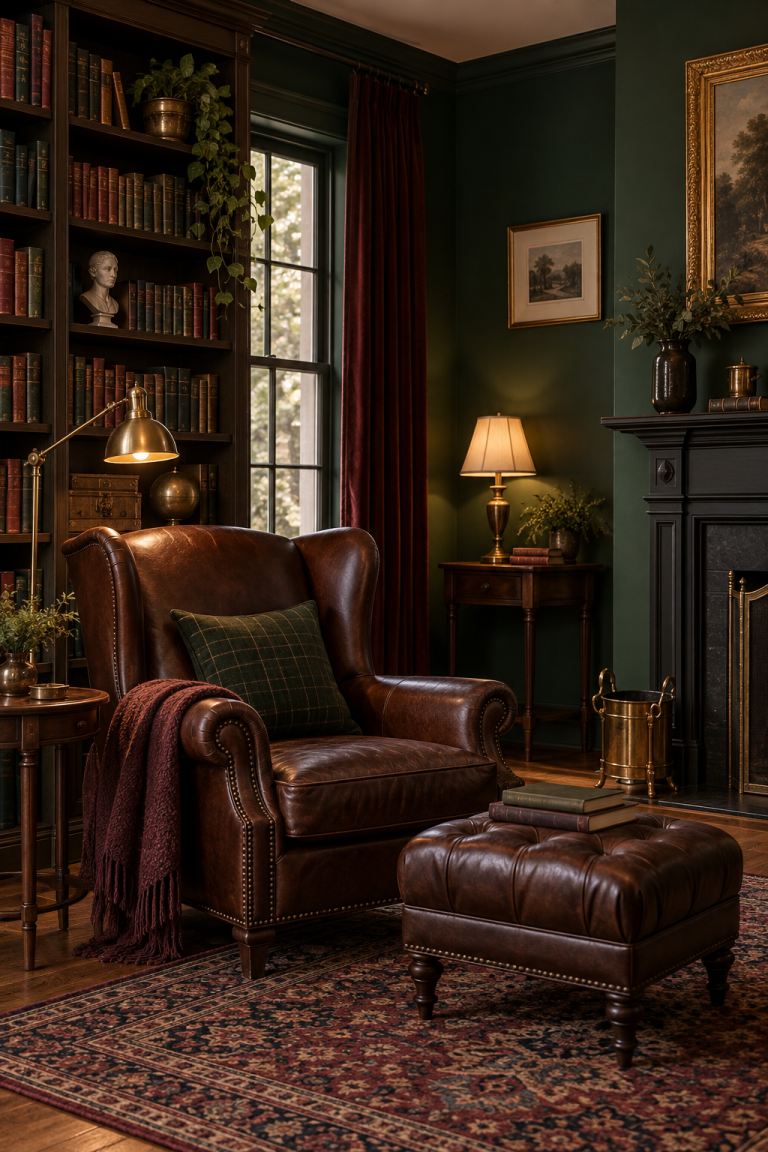
Decorating your first home is exciting, but it can also feel like every empty wall and unfinished corner is asking for money at once. The good news is that a beautiful home rarely comes from buying everything in one weekend. It develops through useful choices, patient collecting, and a clear sense of how you want each room to feel. These first home decor ideas focus on affordable decisions with lasting visual impact, whether you are furnishing a compact apartment, a starter house, or a shared home that needs to work for more than one person.
Instead of chasing a showroom-perfect result, begin with comfort, function, and a flexible foundation. A measured floor plan, good lighting, properly hung curtains, and a few repeated colors can make modest furniture feel intentional. Secondhand pieces, removable updates, and simple DIY projects can add personality without locking you into a costly style. Most importantly, decorating slowly gives you time to understand the rooms before filling them.
Plan Your First Home Before You Shop
Measure every room, doorway, hall, stair turn, and elevator before ordering furniture. Photograph the spaces in daylight and evening light, then list what each room must support. Separate genuine needs—such as a bed, comfortable seating, task lighting, and storage—from decorative wants. Set a total spending limit, reserve part of it for delivery and practical supplies, and prioritize the rooms you use daily. Choose three descriptive words for your preferred atmosphere, such as warm, relaxed, and collected. Those words will help you say no to attractive pieces that do not support the larger plan.
1. Start with a Whole-Home Color Plan
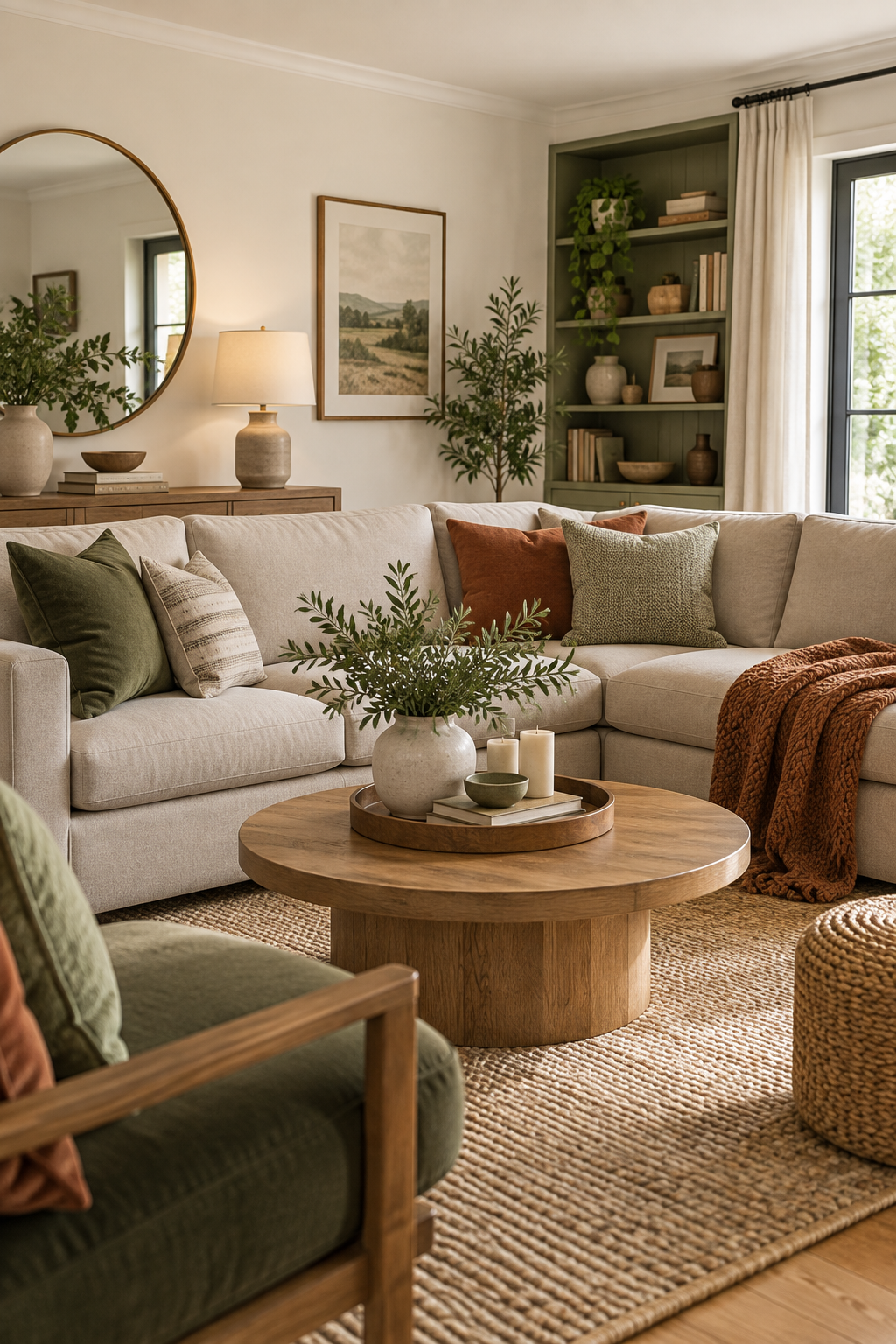
A simple palette makes furniture collected from different places look related. Pick one light foundation color, one grounding neutral, and two or three accents you genuinely enjoy. Warm white, oatmeal, medium wood, muted green, and rust can travel easily from room to room, but your combination should suit the natural light and existing finishes. Repeat the same accent in small doses—a pillow in the living room, a towel in the kitchen, and artwork in the hall. Repetition creates cohesion without requiring matching sets or an expensive full-home makeover.
2. Measure and Map the Furniture Layout
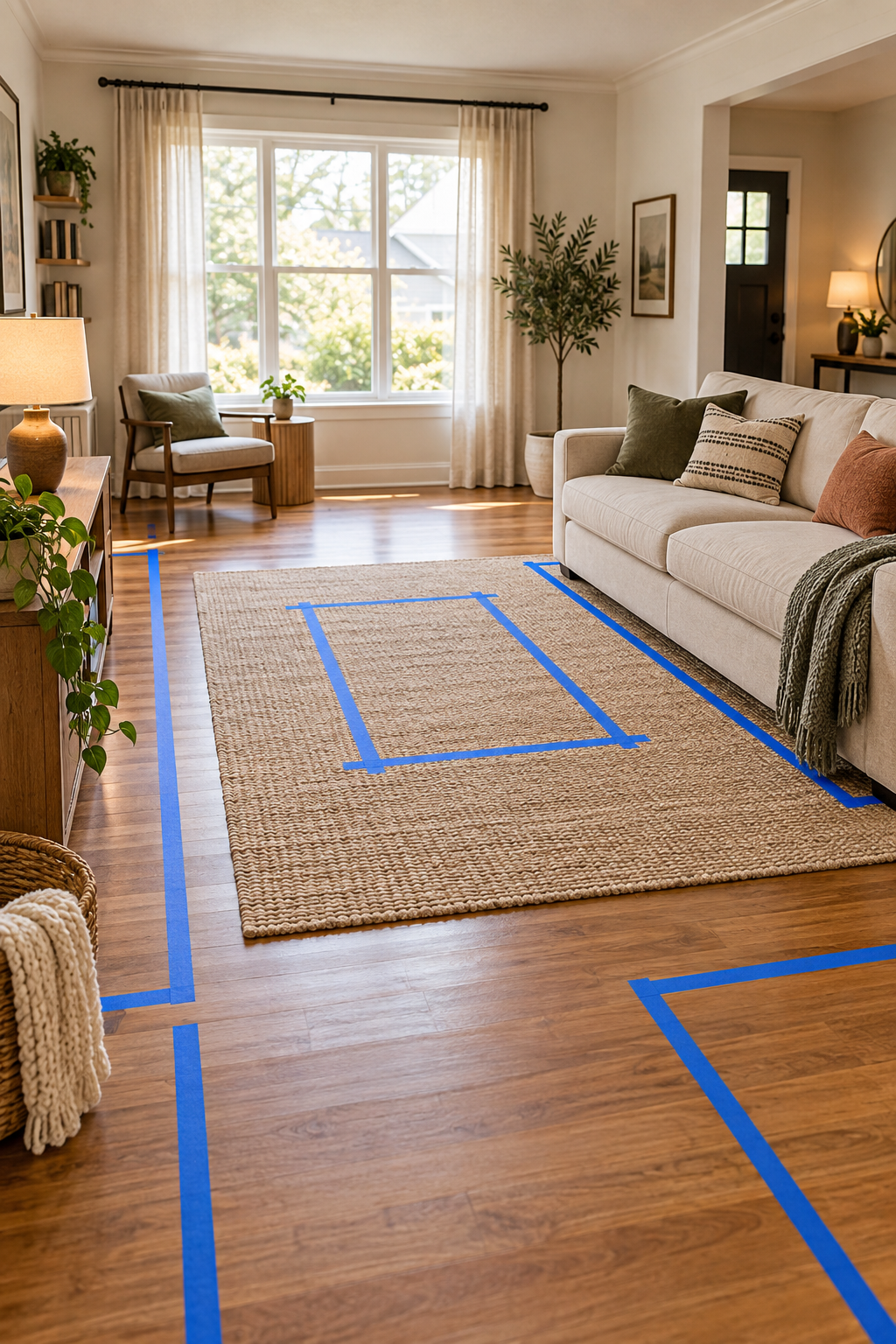
The cheapest decorating mistake is the one you avoid before checkout. Draw a basic plan on graph paper or mark furniture dimensions on the floor with painter’s tape. Check walking routes, door swings, heating vents, outlets, and the space required to pull out dining chairs. A correctly scaled secondhand sofa will look better than a fashionable new one that overwhelms the room. Leave useful surfaces near seats and keep major pathways clear. Good spacing makes even inexpensive furniture feel calm, comfortable, and deliberately placed.
3. Prioritize a Comfortable Sofa over a Matching Set
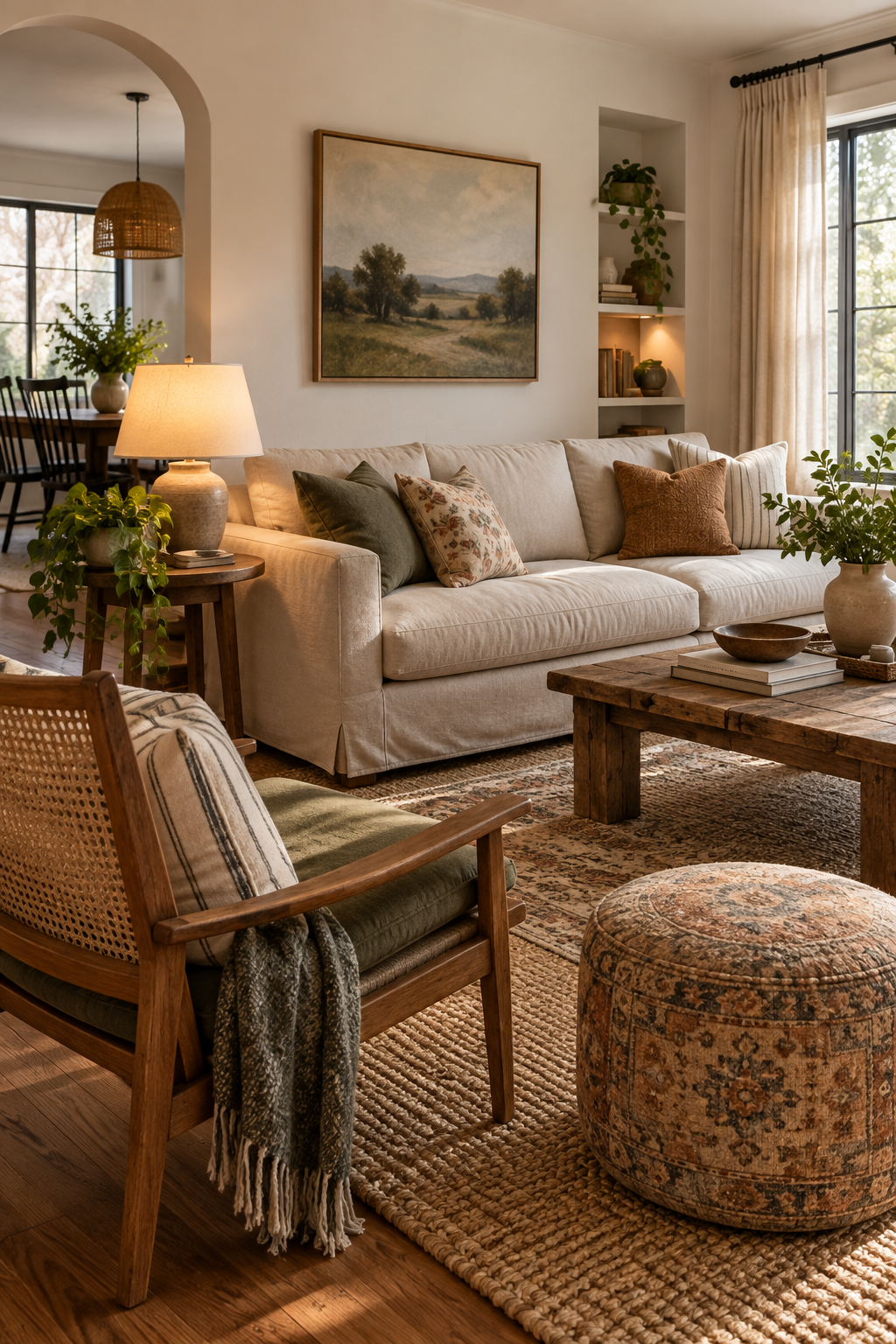
If the living room is used every day, put more of the available budget toward a supportive sofa in a versatile fabric and sensible size. Skip the matching chair-and-sofa package unless every piece truly fits. A single well-proportioned sofa can be combined with a thrifted wooden chair, a small ottoman, or stackable stools as needs change. Before buying used upholstery, inspect its frame, seams, odors, and signs of pests carefully. Washable covers or performance-style fabrics can be practical, but always follow the manufacturer’s care guidance.
4. Anchor the Living Room with the Right Rug
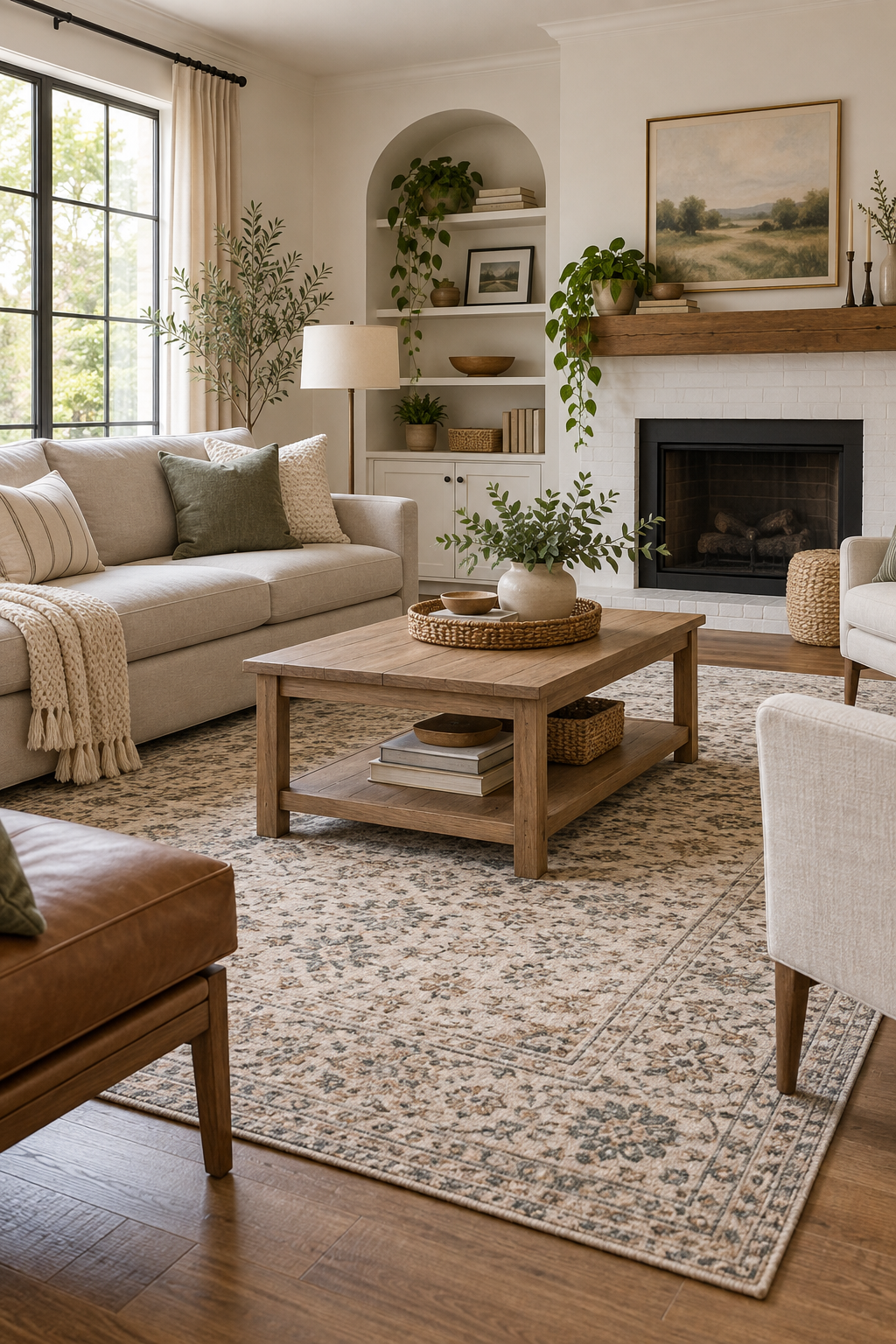
A rug visually gathers unrelated furniture and gives a room an immediate sense of completion. Choose the largest size that fits your layout and budget rather than a tiny rug floating beneath the coffee table. Ideally, at least the front legs of the main seating should rest on it. Flatweaves and low-pile rugs are often easier to clean and position under doors. Use a suitable nonslip pad, especially on hard floors. Neutral patterns hide everyday wear while leaving room to introduce color through smaller, replaceable accessories.
5. Hang Curtains Higher and Wider
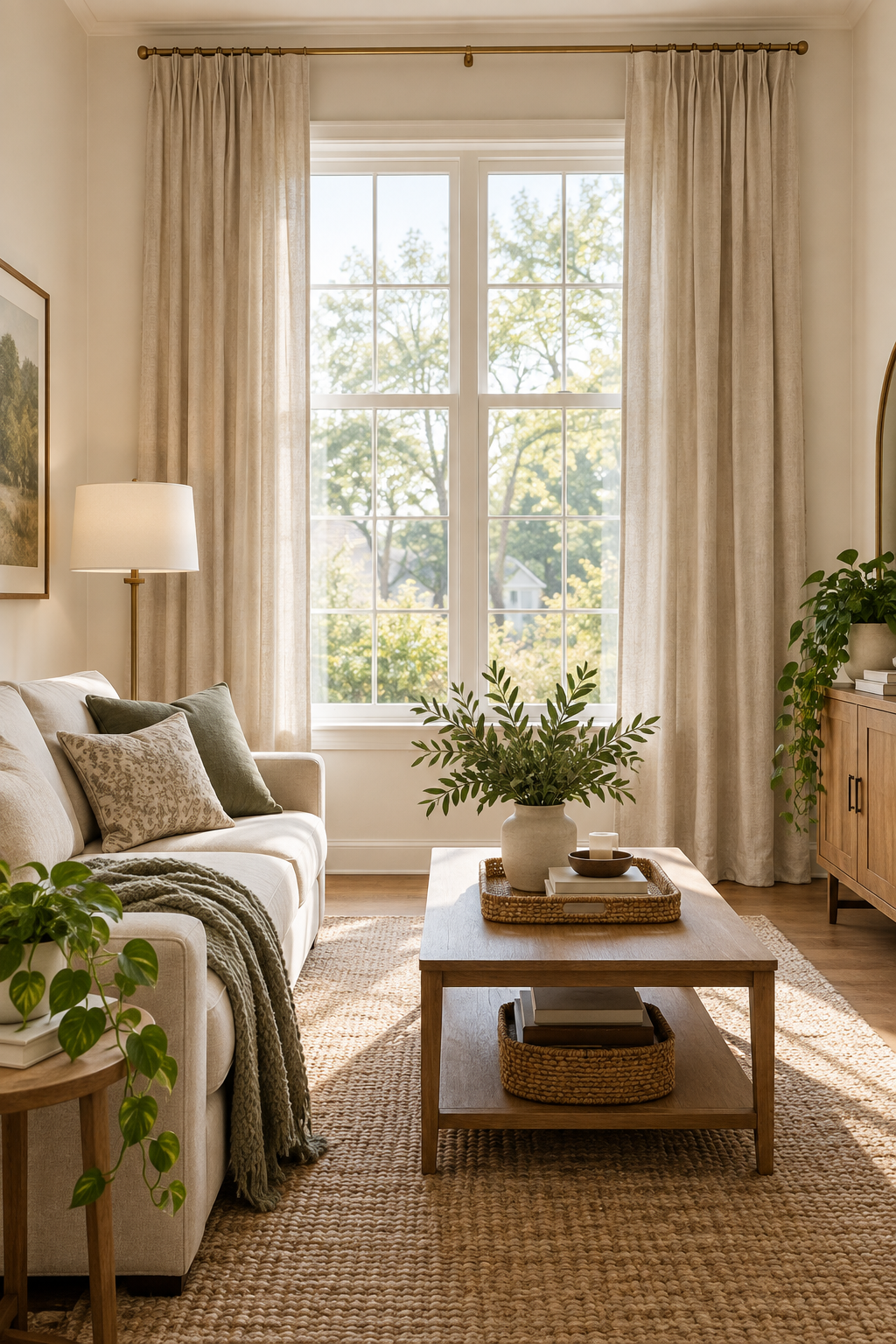
Curtains can make standard windows feel more generous when the rod extends beyond the frame and sits closer to the ceiling. Choose panels that reach the floor or finish just above it, and use enough fabric to avoid a stretched, skimpy appearance when closed. Affordable ready-made panels can look custom after careful measuring and simple hemming tape or sewing. For privacy, combine decorative curtains with a blind or light-filtering panel. Never cover heaters, and make sure cords are secured safely away from children and pets.
6. Layer Lighting Instead of Relying on the Ceiling Fixture
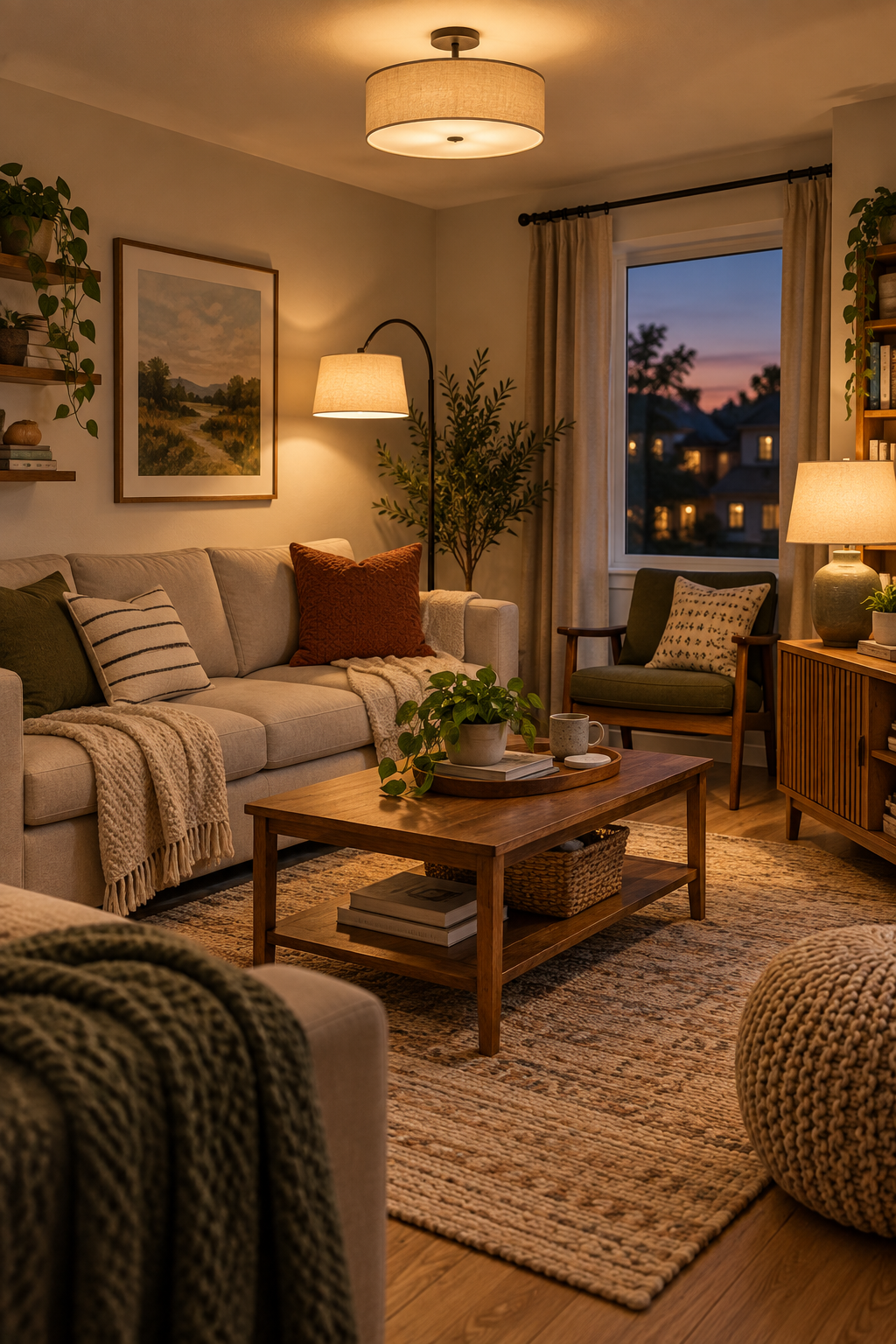
One overhead light often creates glare and leaves corners gloomy. Build a more inviting room with three layers: general light for moving around, task light for reading or cooking, and soft accent light for atmosphere. A floor lamp beside the sofa and a small table lamp can transform a rental without electrical work. Select bulbs with consistent color temperature so the room does not look patchy. Position cables along walls, avoid overloaded adapters, and use lamps designed for the chosen bulb wattage and location.
7. Create an Entry Drop Zone
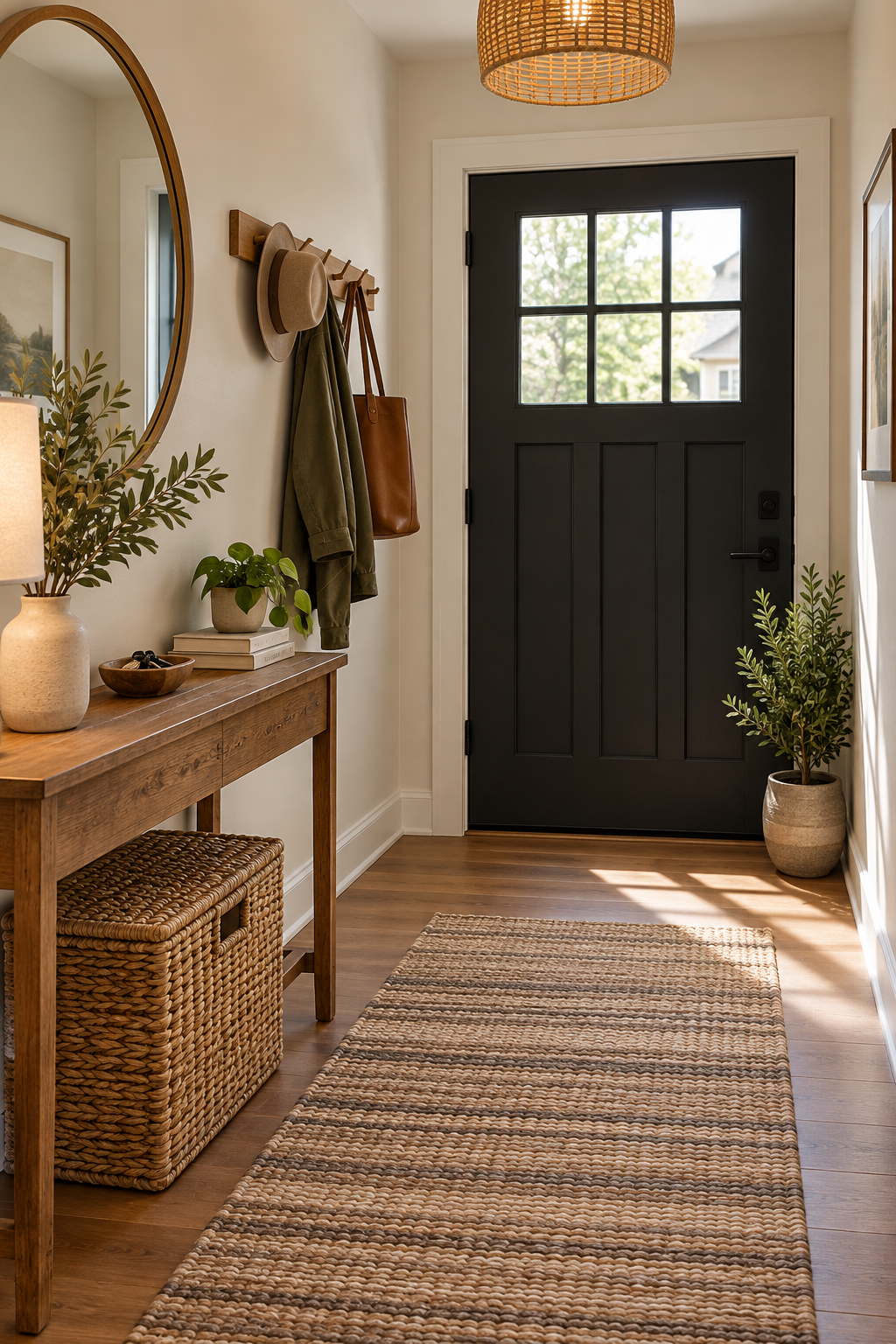
Even a narrow entrance works better with a designated place for keys, shoes, bags, and mail. Combine a slim shelf or small secondhand console with wall hooks, a washable mat, and one attractive tray. In very small homes, a peg rail and wall-mounted pocket can replace furniture entirely. Keep the setup proportional so the door opens fully and the walkway remains clear. A mirror above the station reflects light and supports last-minute checks, while one bowl or basket prevents everyday objects from spreading across the home.
8. Use Closed Storage to Calm Visual Clutter
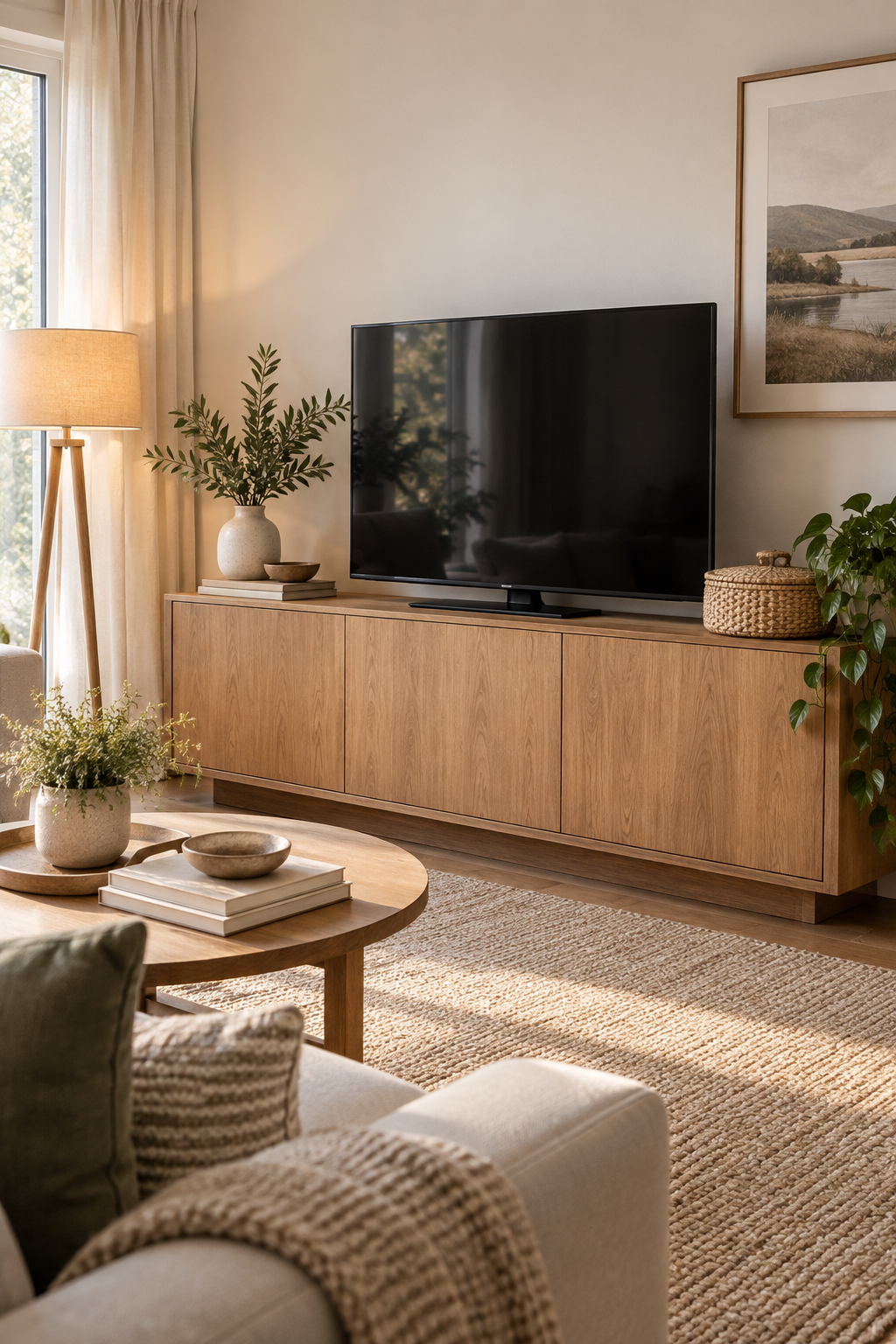
Open shelves are photogenic when sparsely styled, but first homes often need hardworking concealed storage. A low cabinet, lidded baskets, an ottoman with a compartment, or a refurbished dresser can hide chargers, documents, games, and household supplies. Before buying organizers, edit what you own and measure the exact interior space. Group items by use rather than buying a different container for every object. Matching a few visible baskets can create order, while inexpensive boxes hidden behind doors can remain purely functional.
9. Shop Secondhand for Solid Wood Character
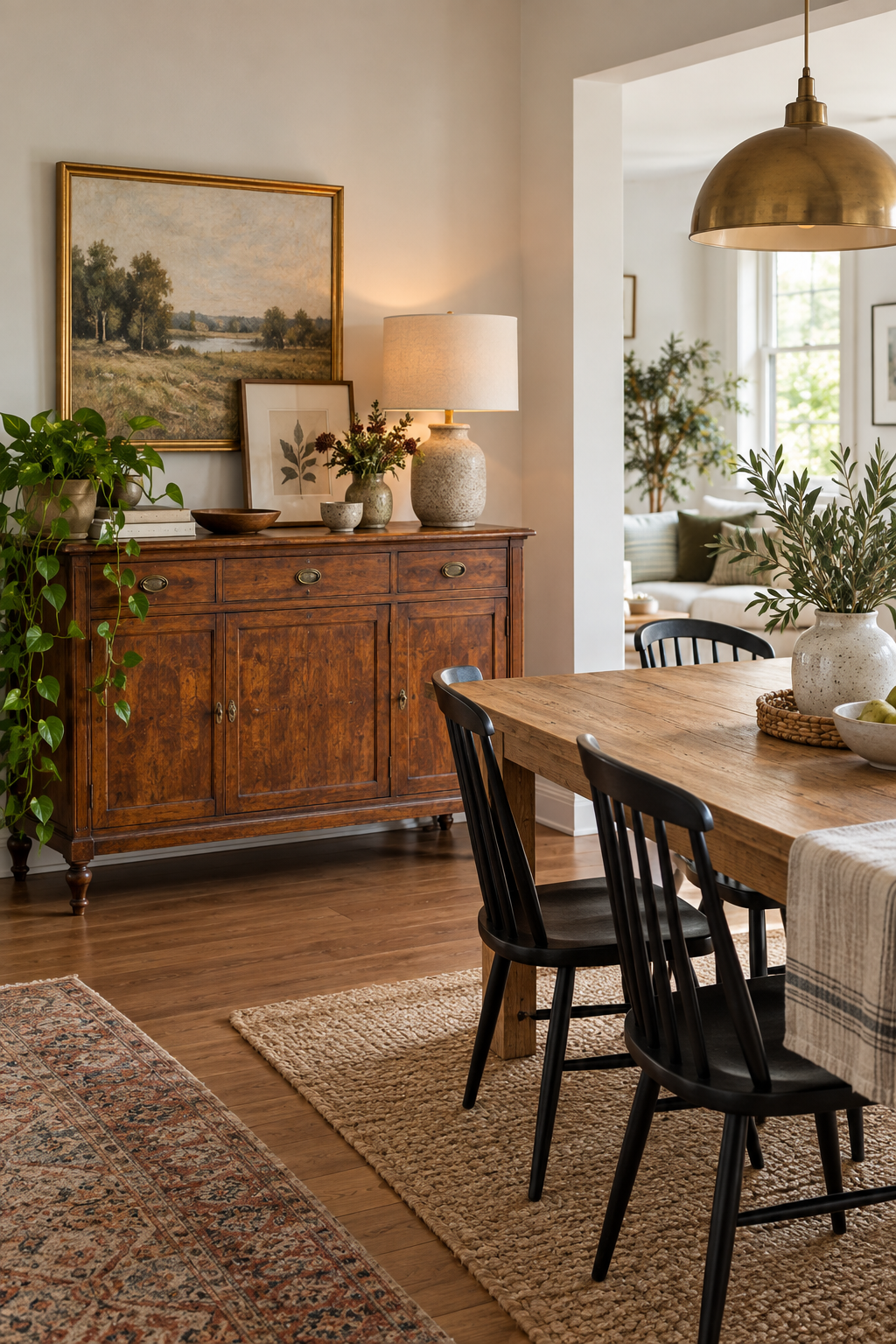
Dining tables, nightstands, mirrors, frames, stools, and solid wood cabinets are excellent categories to search for secondhand. Look past dated hardware or a scratched finish and assess the construction, dimensions, stability, and repair needs. A thorough clean, tightened screws, fresh wax, or new knobs may be enough to revive a piece. Avoid bringing upholstered or porous items home without careful inspection. Mixing one older item into a simple modern room adds depth and keeps the home from resembling a catalog assembled in a single purchase.
10. Give a Thrifted Dresser a Simple Refresh
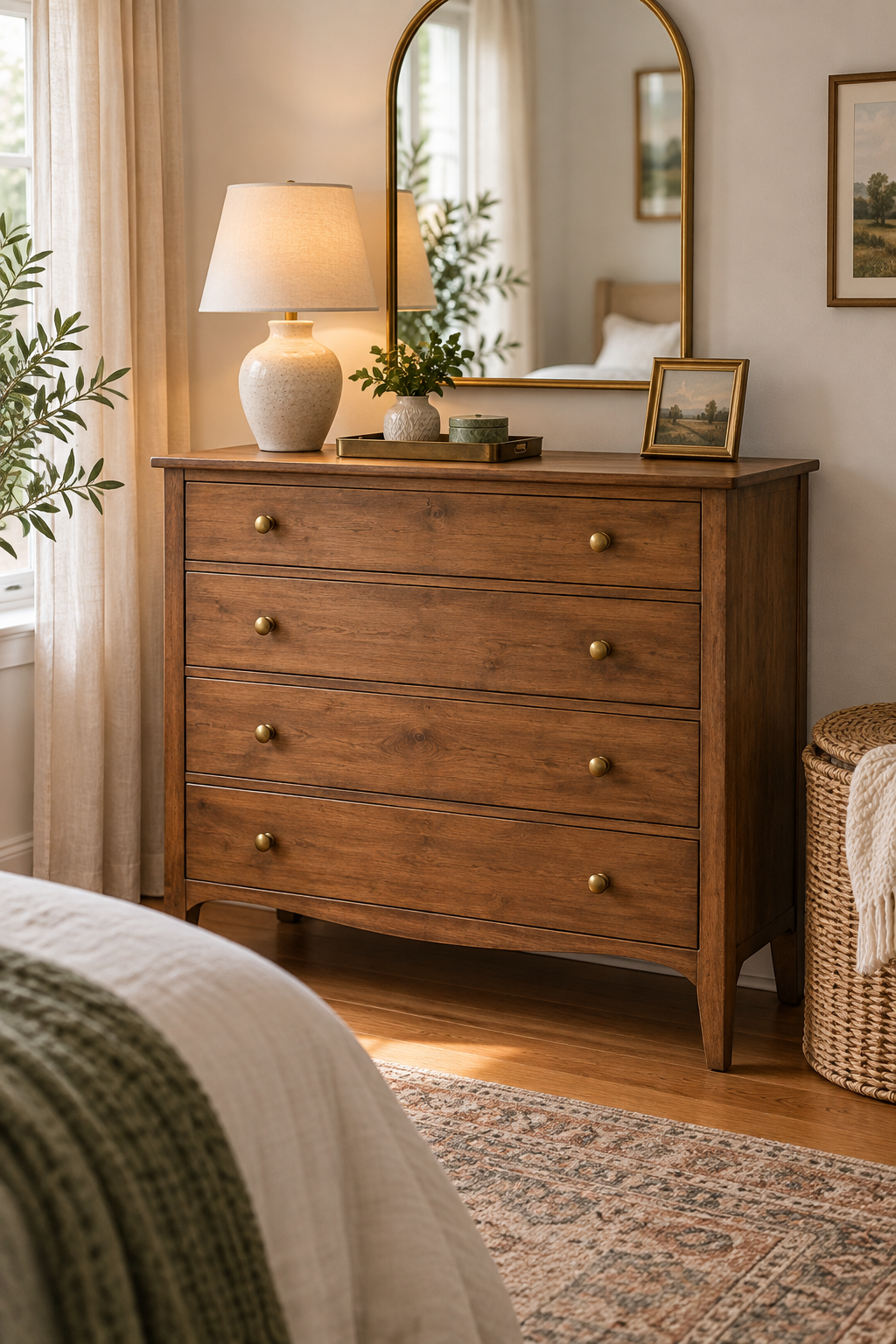
A dresser can serve in a bedroom, entry, dining area, or living room, which makes it a smart first-home investment. Refresh a sturdy used piece by cleaning it, repairing loose drawers, and replacing mismatched hardware. If painting, identify the existing finish, prepare it properly, work in a ventilated area, and allow the recommended curing time. Sometimes preserving natural wood is the better choice. Style the top with only a lamp, a tray, and one personal object so the hardworking storage still looks composed.
11. Build a Gallery Wall from Meaningful Pieces
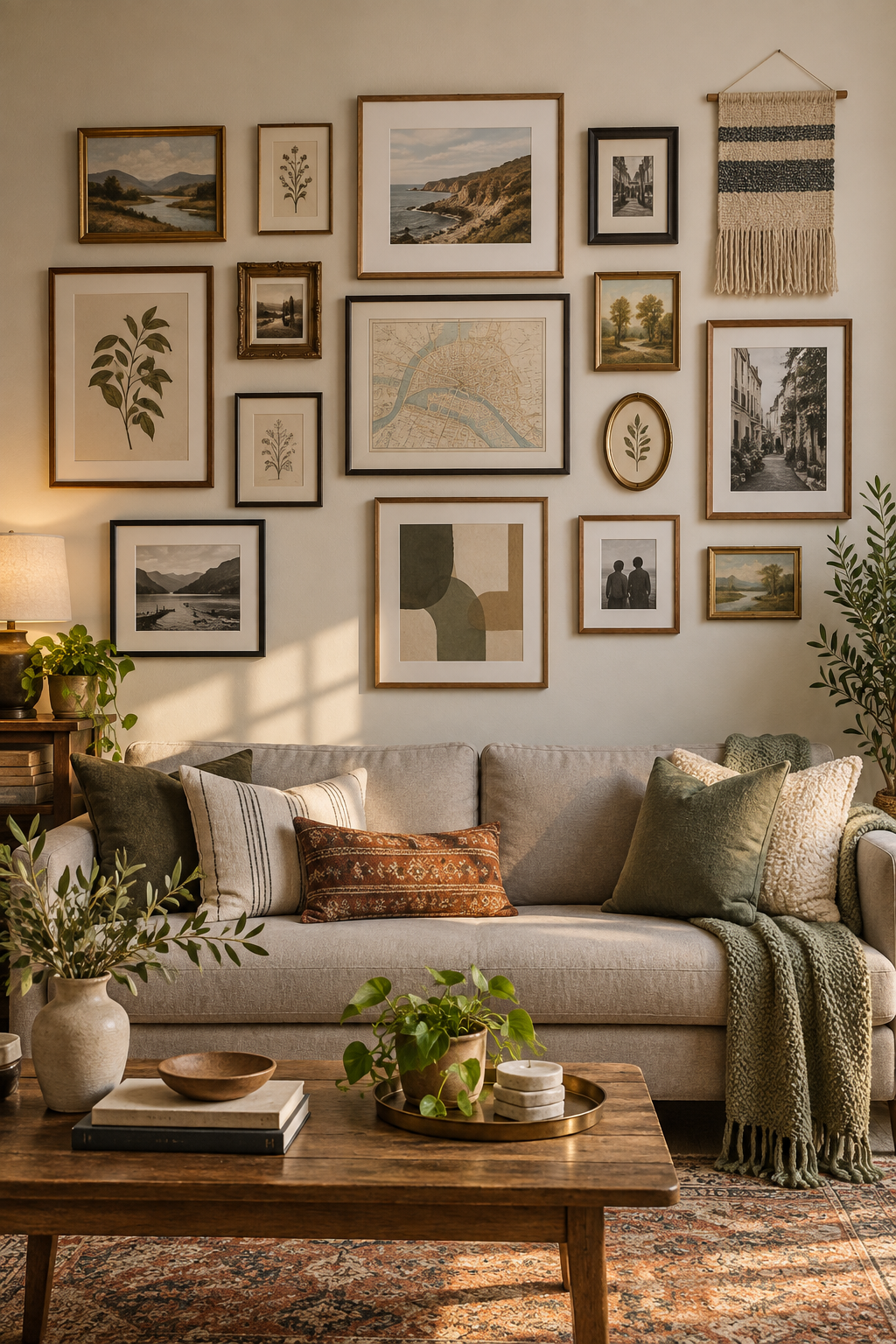
Art does not need to be expensive to feel personal. Combine your photographs, postcards, small prints, children’s drawings, maps, fabric remnants, or public-domain artwork in thrifted frames. Unite varied pieces through a limited palette or consistent mat color. Lay the arrangement on the floor first, trace frames on paper, and tape the templates to the wall before making holes. Keep the center of the collection near comfortable viewing height. The finished wall should tell a story rather than simply fill every available gap.
12. Choose One Oversized Art Moment
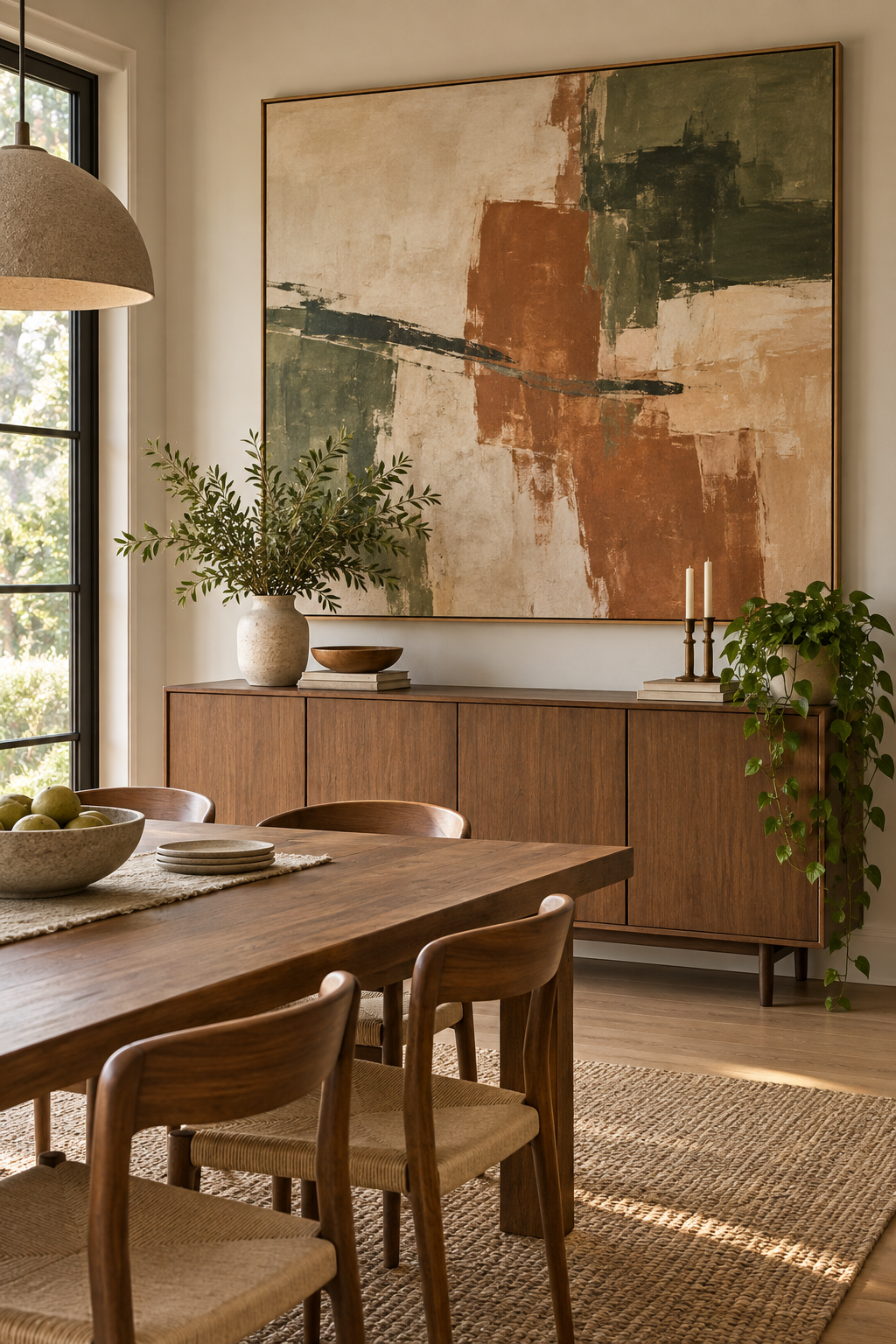
Where many small accessories would create clutter, one large image can establish a confident focal point. Consider an affordable poster in a simple frame, a textile hung securely, a removable mural, or an original canvas made with a restrained palette. Relate its width to the furniture beneath it and leave breathing room around the edges. Lightweight artwork is often easier to hang, but every piece should use hardware rated for its weight and wall type. A large visual statement lets the rest of the room remain simple.
13. Style Shelves with Space between Objects
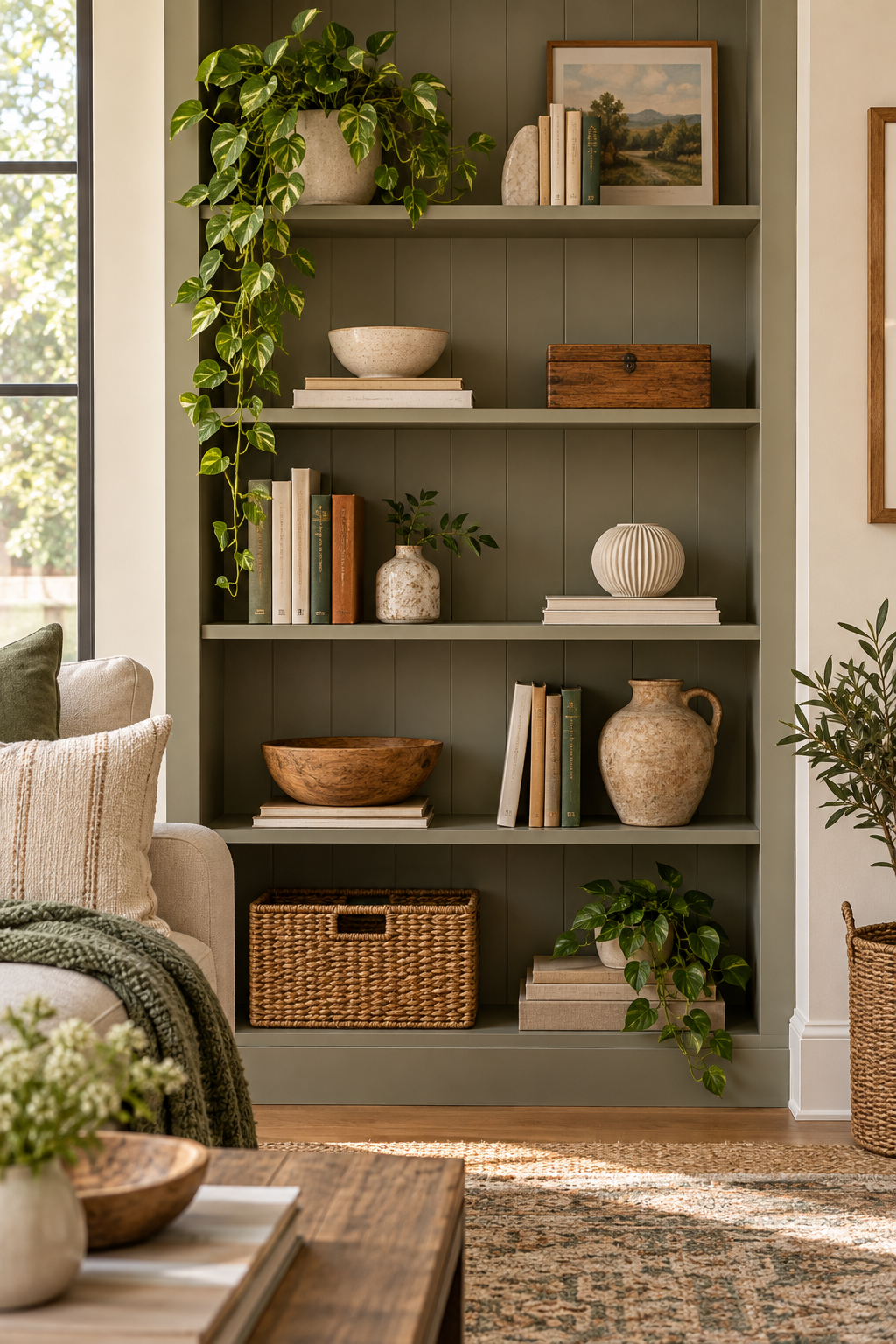
Bookshelves look more polished when they are not packed with unrelated decor. Begin with the books and storage you actually need, then add a few objects with different heights and shapes. Repeat two or three materials—perhaps wood, ceramic, and dark metal—and leave some open space. Place heavier items low and secure tall units to the wall when appropriate. Rotate decorative objects instead of displaying everything at once. Thoughtful editing is free, and it often has more impact than buying additional shelf accessories.
14. Upgrade the Dining Area with Mixed Chairs
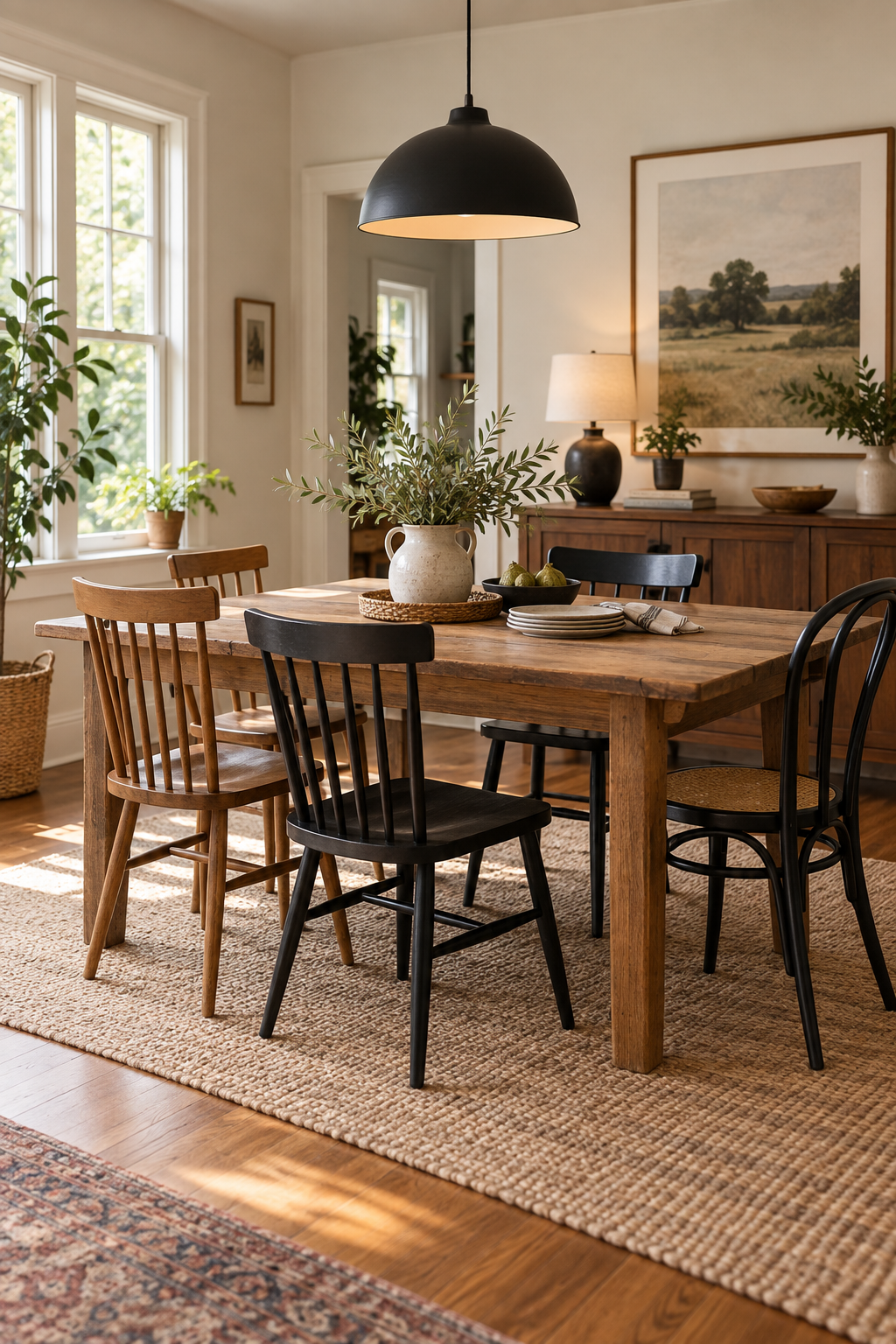
A matching dining set is not required for a cohesive room. Pair a simple table with chairs that share one connecting feature, such as similar wood tone, black finish, woven seat, or silhouette. Check that seat heights work comfortably with the table and that every chair is stable before use. Matching cushions or a consistent finish can visually unite different finds. Keep enough clearance behind chairs for people to sit without blocking a main route. The result feels collected, flexible, and far more personal than a rushed set.
15. Create a Flexible Breakfast or Work Nook
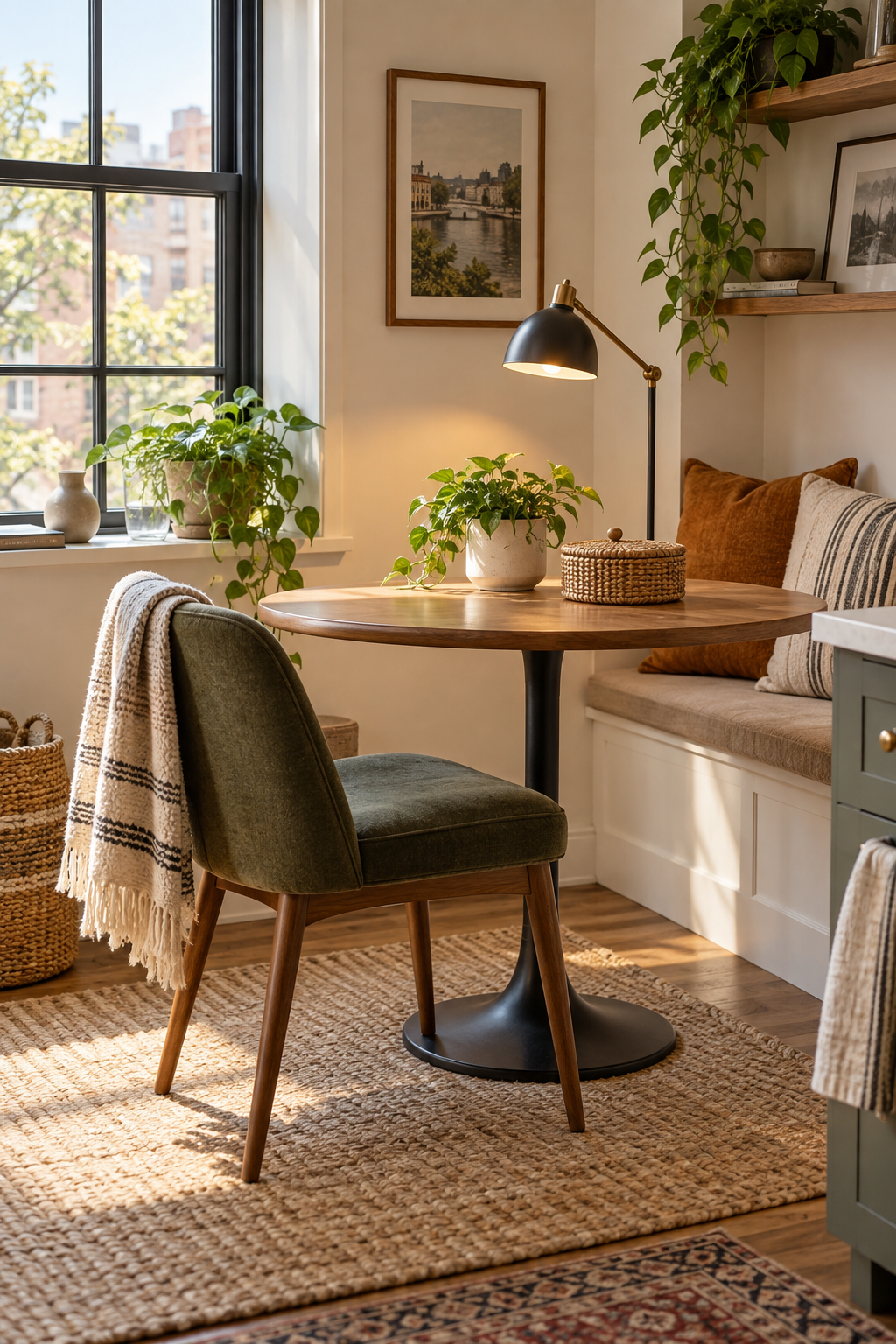
In a small first home, one corner may need to support breakfast, laptop work, hobbies, and occasional guests. A compact round table softens tight circulation, while a wall-mounted drop-leaf table can disappear when not needed. Add a comfortable chair, focused lamp, and nearby basket for supplies, then clear work materials away at the end of the day. Protect surfaces from heat and spills. Choosing multipurpose furniture reduces the number of items you need and helps limited square footage work harder.
16. Make the Bed the Bedroom Focal Point
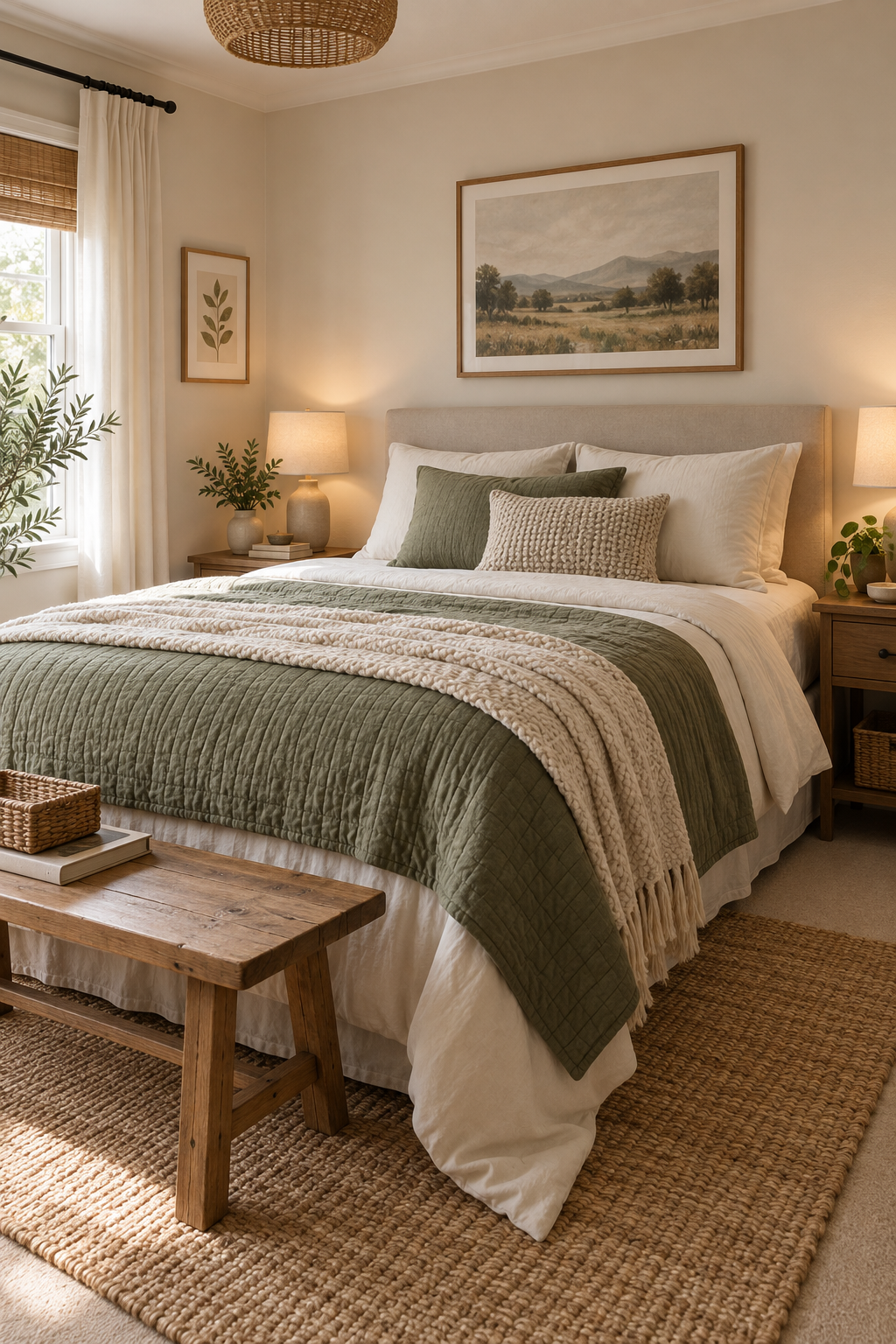
The bed occupies most of a bedroom’s visual area, so neat, comfortable bedding provides more impact than numerous small decorations. Start with breathable sheets appropriate to your climate, a practical duvet or quilt, and two sleeping pillows per person as needed. Add one textured throw or a restrained accent cushion rather than an oversized pile that must be moved nightly. Center the bed where circulation permits and place a light within reach. A simple, well-made bed makes inexpensive surrounding furniture feel more deliberate.
17. Use an Affordable Headboard Alternative
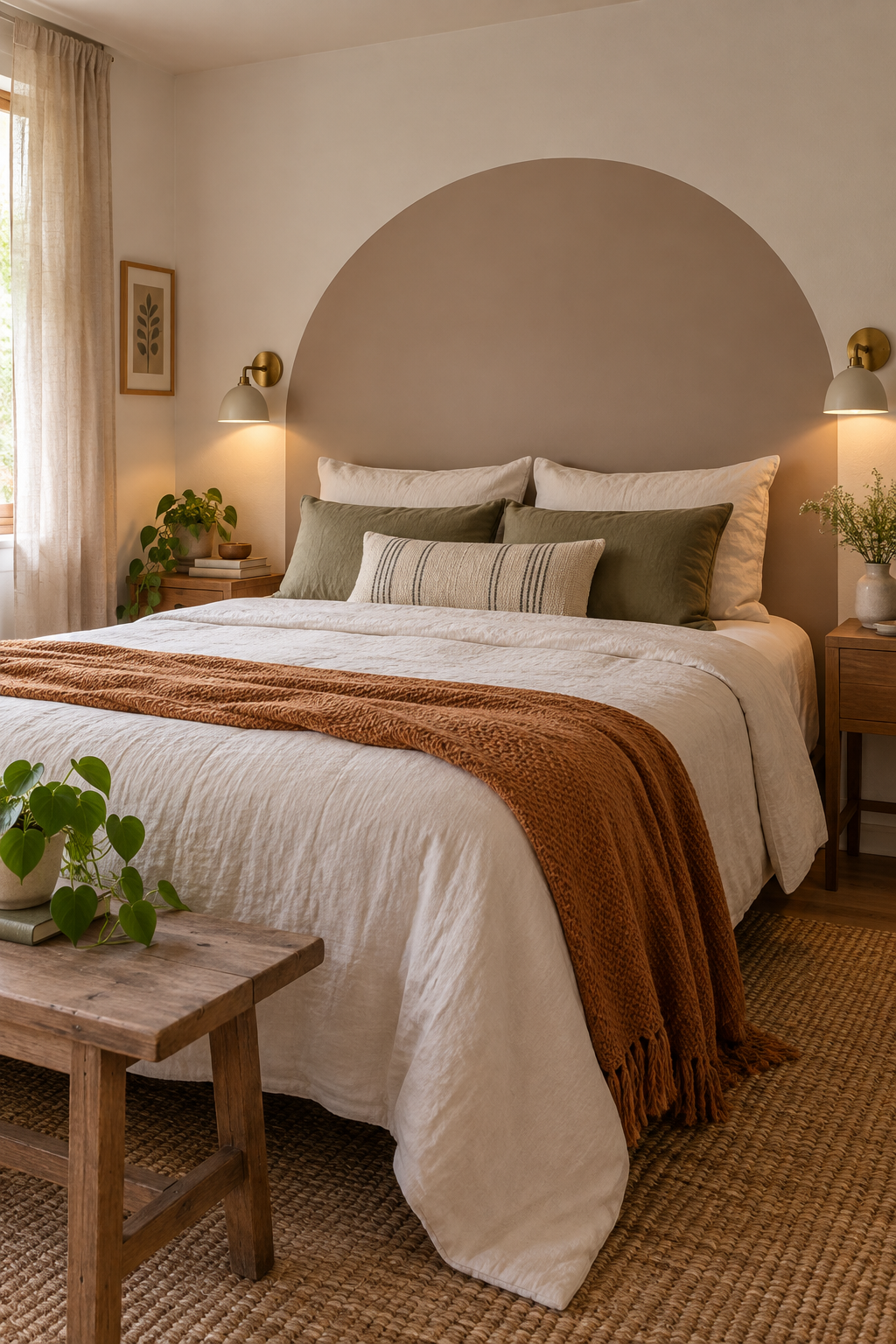
Define the sleeping area without purchasing a bulky bed frame by using a painted arch, removable wallpaper panel, securely mounted textile, or simple wall-mounted wooden headboard. Keep the design slightly wider than the mattress so it visually anchors the bed. Choose low-odor, interior-appropriate materials and follow installation guidance. Anything mounted above a bed must be lightweight or attached with suitable hardware. A clear headboard zone creates structure, particularly when the rest of the room contains mismatched bedside pieces.
18. Replace Nightstands with Useful Alternatives
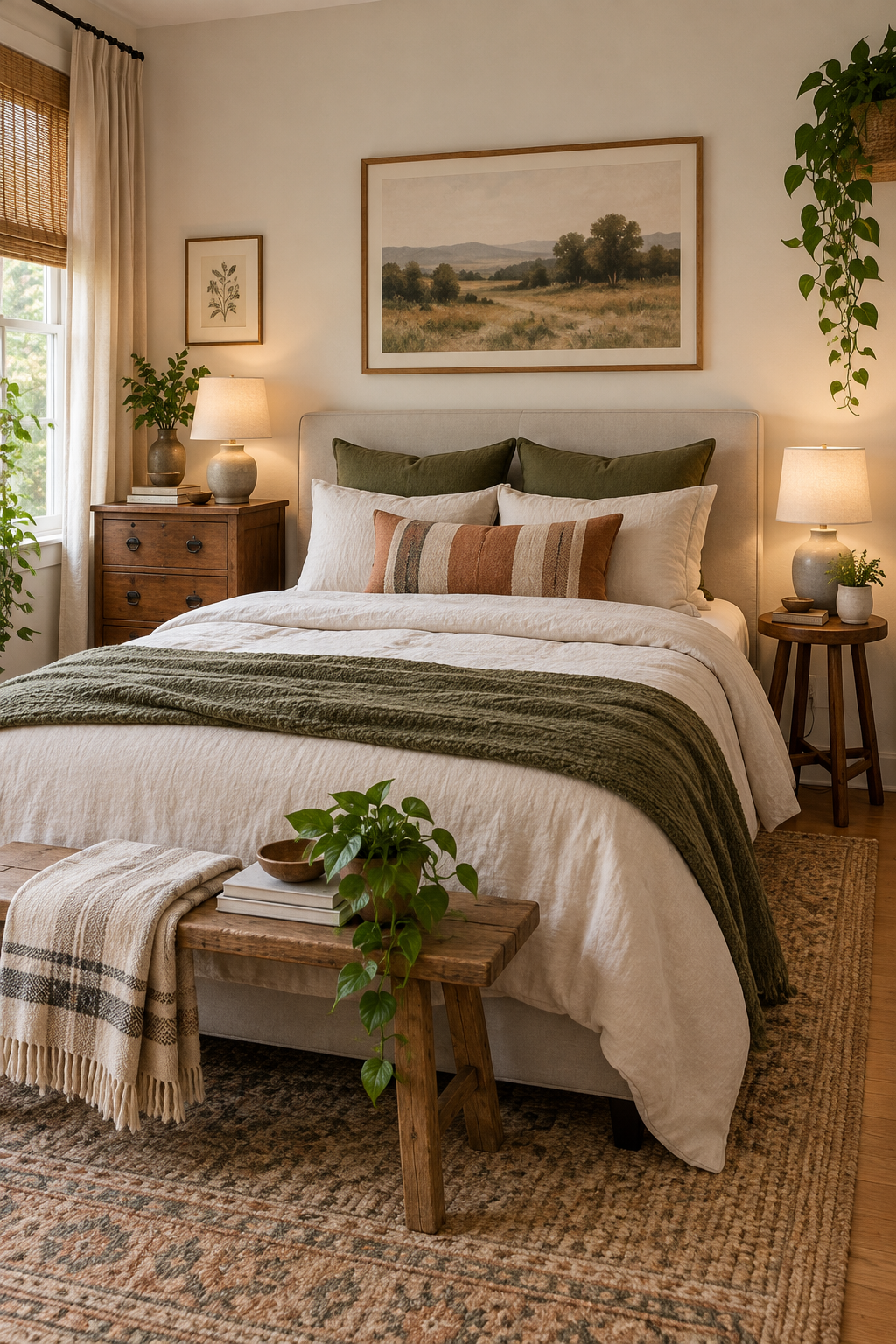
Small chests, sturdy stools, wall shelves, compact desks, and repurposed side tables can all work beside a bed. The most important details are a stable surface, a reachable lamp or switch, and enough room for essentials. Mismatched nightstands can still feel intentional when lamps, wall art, or finishes repeat across both sides. Keep drinking water away from electrical items and route charging cables safely. Choosing pieces that can later move to an entry or living room makes early purchases more adaptable.
19. Add a Full-Length Mirror Strategically
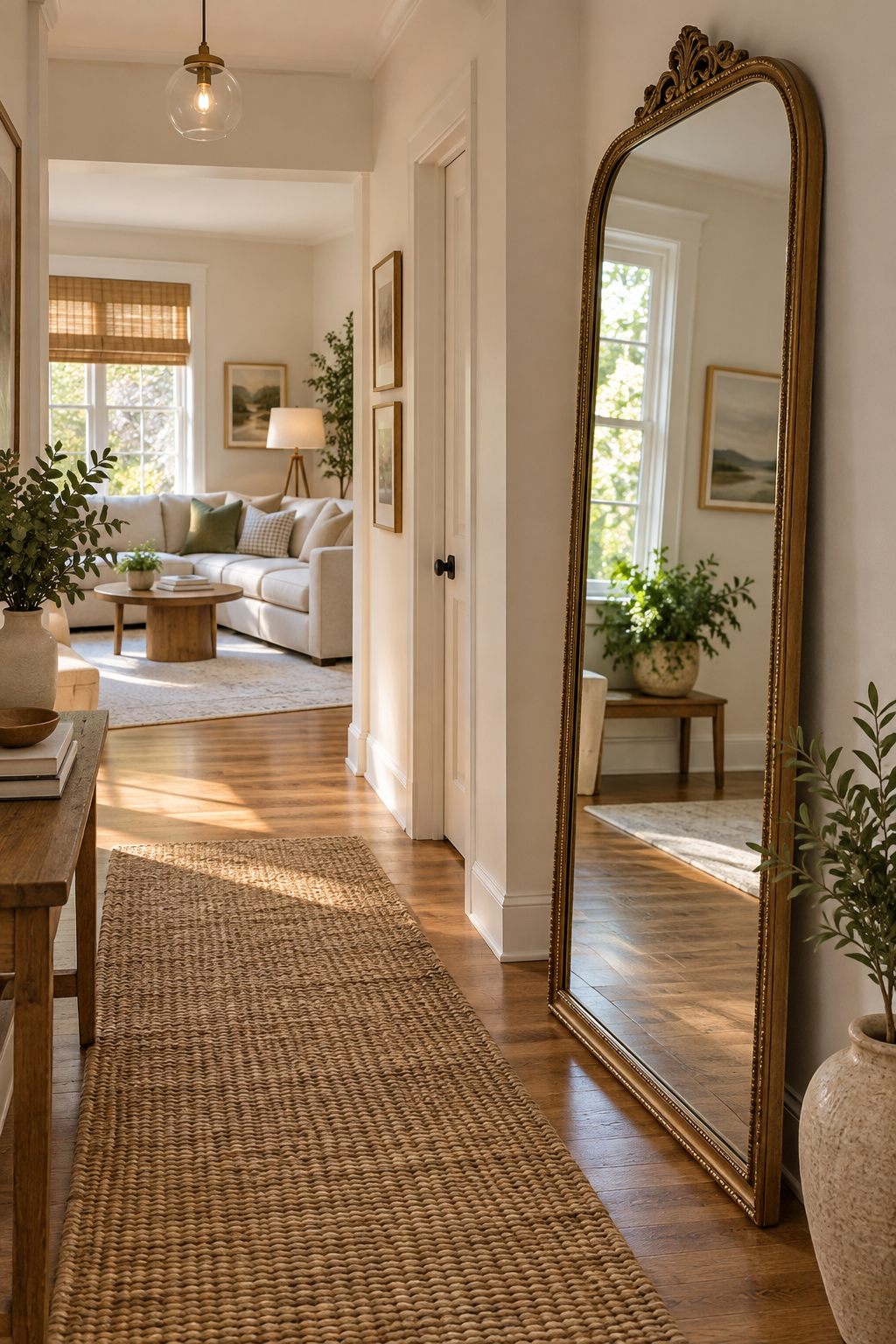
A mirror can serve a daily need while bouncing daylight into a darker part of the room. Position it where it reflects a window, artwork, or an orderly view rather than a cluttered counter. Large mirrors must be anchored or mounted according to their weight; simply leaning one may be unsafe in homes with children, pets, or busy walkways. A secondhand frame can be cleaned or refinished to complement existing wood tones. One useful mirror often contributes more than several purely decorative wall objects.
20. Make the Kitchen Counter Look Intentional
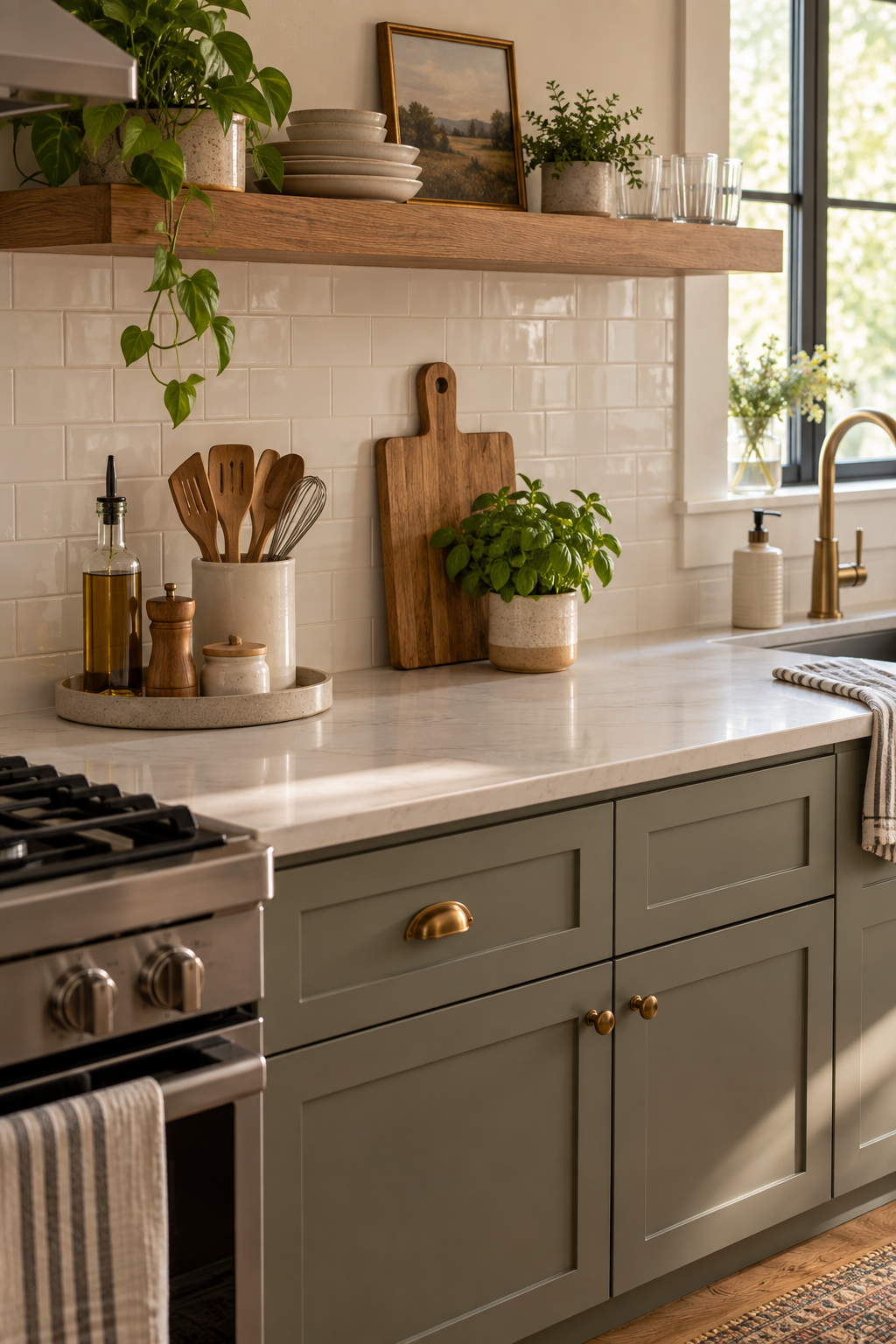
Clear most appliances and supplies from the counter, then return only what is used frequently. Gather cooking oil, salt, and a utensil crock on a washable tray near the preparation zone, keeping everything safely away from heat. A wooden board leaned against the backsplash can add warmth while remaining useful. Decanting is optional; original packaging often contains important instructions and dates. Prioritize clean workspace over decorative displays. A restrained counter makes even a basic kitchen look calmer and is easier to maintain.
21. Add Removable Personality to the Backsplash
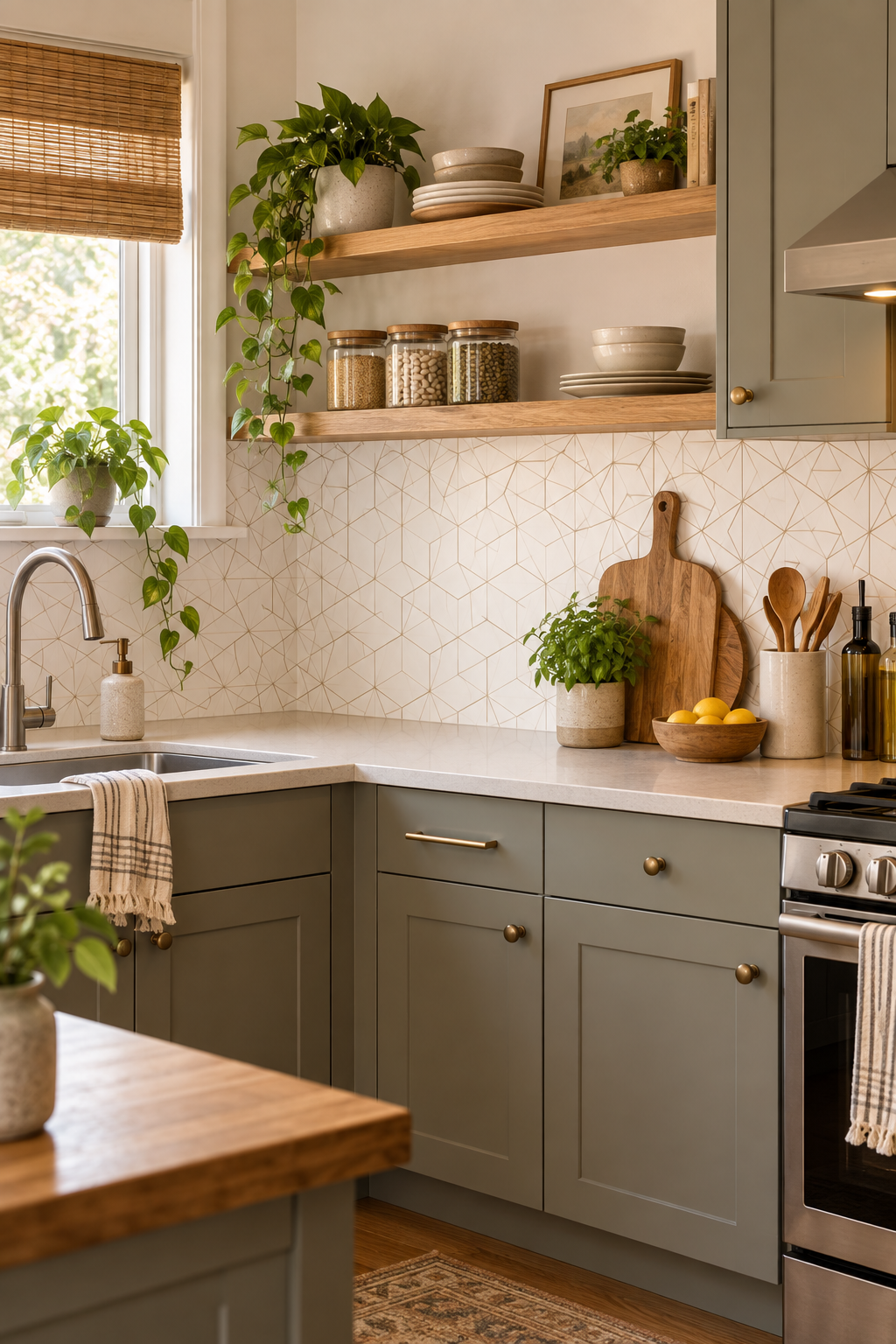
Removable backsplash panels or peel-and-stick products can update a plain kitchen, especially in a rental, but research the surface and manufacturer guidance first. Test a small hidden area, avoid zones exposed to unsuitable heat or moisture, and confirm any lease restrictions. A quieter tile pattern usually ages better than a bold novelty print. If adhesive products are not appropriate, introduce color through framed art, tea towels, a washable runner, or countertop accessories. Reversible choices allow your taste to evolve without costly construction.
22. Turn Everyday Kitchenware into Decor
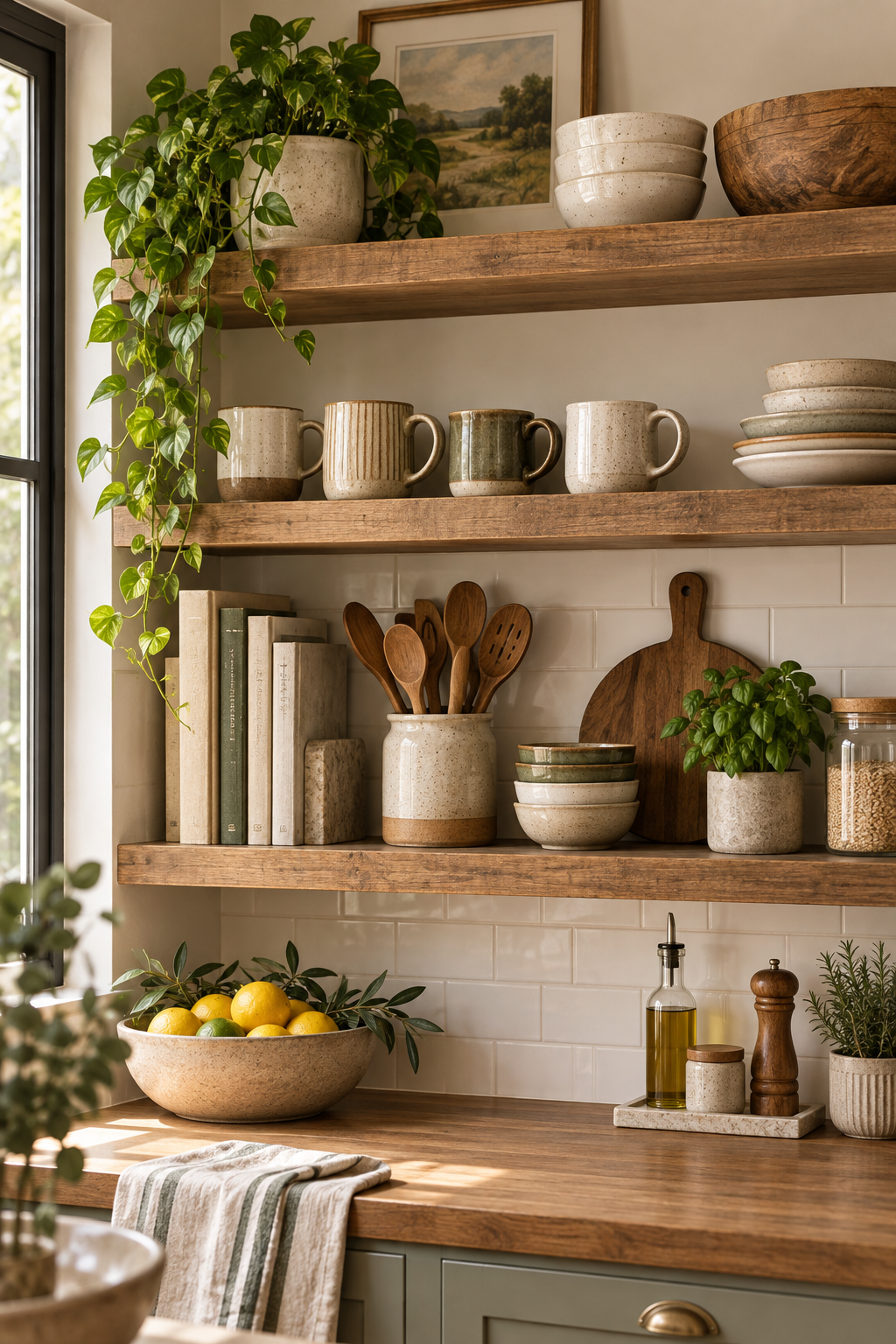
Useful objects can supply much of a kitchen’s visual character. Display a small group of mugs, a favorite bowl, wooden utensils, or frequently used cookbooks instead of buying themed signs. Keep open storage edited and within easy cleaning distance, because grease and dust accumulate quickly. Repeat a few colors or materials to make mixed pieces feel connected. Items used near food should remain easy to wash and safe for their intended purpose. Practical display reduces duplicate purchases and lets the kitchen reflect everyday life.
23. Refresh the Bathroom with Coordinated Basics
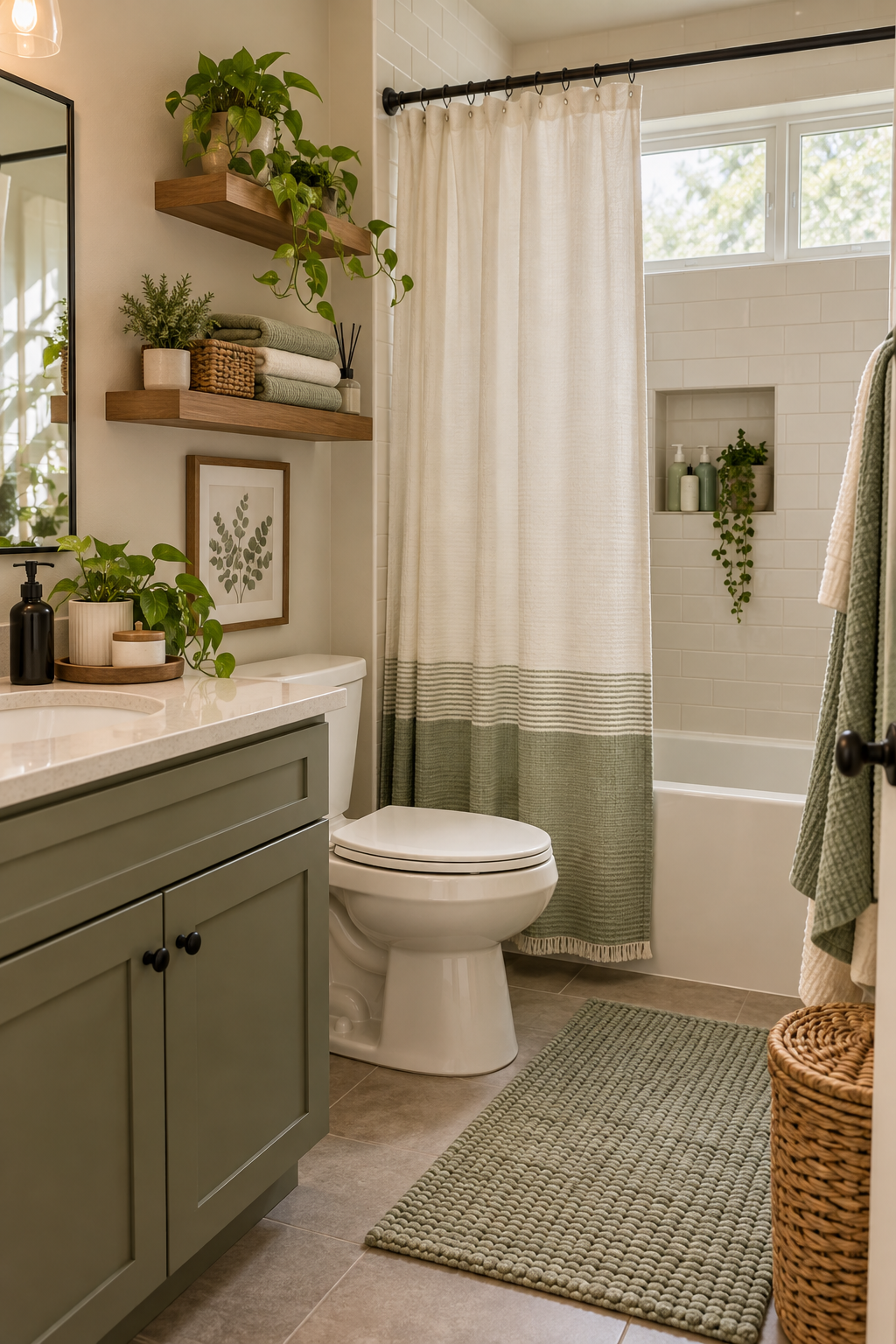
A bathroom can feel finished through clean, coordinated essentials rather than a renovation. Choose towels in one or two complementary colors, replace a worn shower curtain, use a washable bath mat, and contain daily products in a tray or cabinet. Confirm that textiles can dry properly and maintain ventilation to reduce excess moisture. A small framed print should be suitable for the environment and positioned away from splashes. Consistency in the visible basics makes an ordinary bathroom appear calmer without filling it with fragile decorations.
24. Bring in Plants That Match Your Conditions
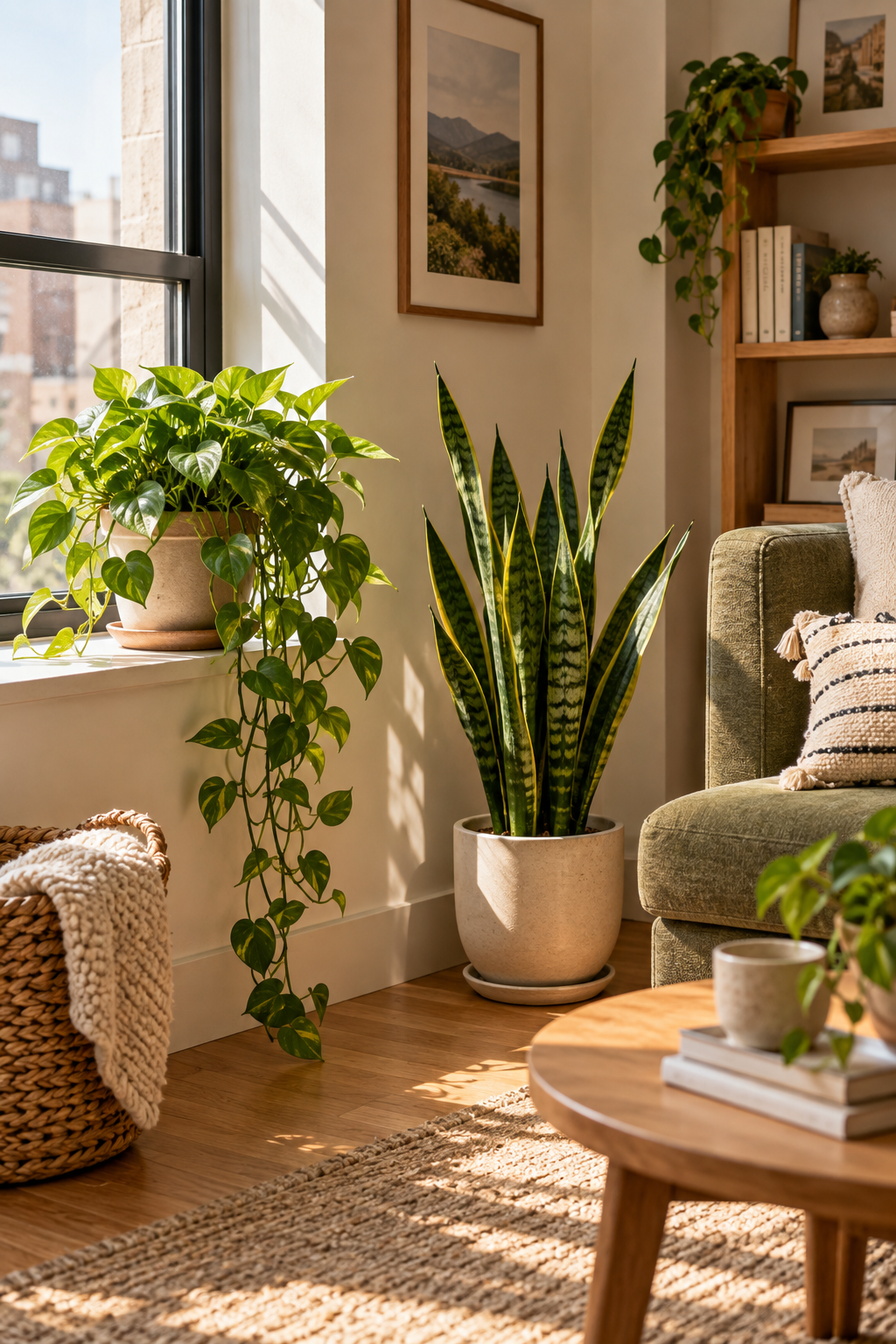
Plants add shape and life, but buy them for the actual light, humidity, and care you can provide. Start with one or two manageable varieties rather than an instant indoor jungle. Use pots with drainage and protect furniture with appropriate saucers. Check plant toxicity if children or pets share the home, and place heavy containers on stable surfaces. If live plants are impractical, a few convincing faux stems or a vase of safe seasonal branches can provide a similar organic note with less maintenance.
25. Layer Texture with Washable Textiles
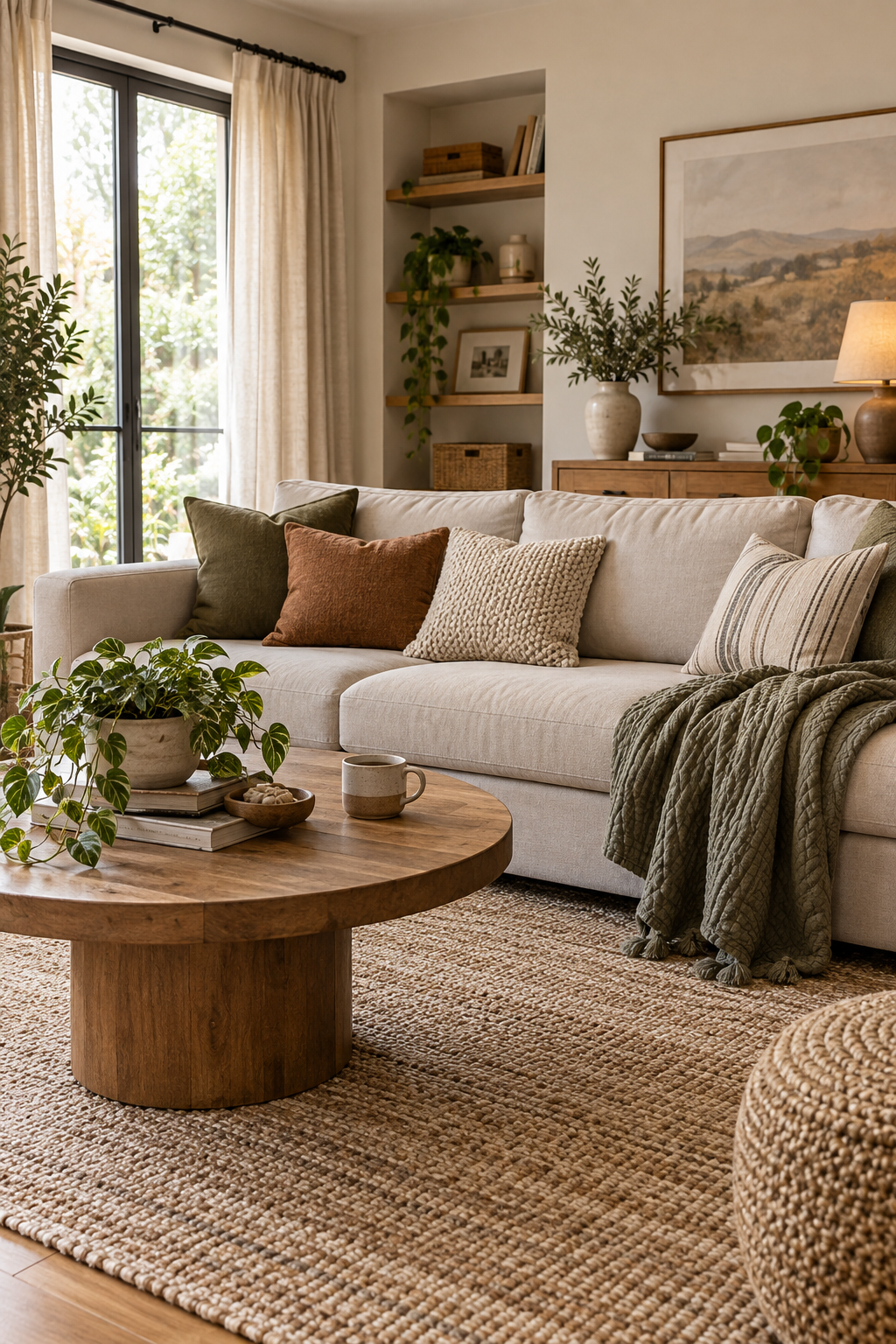
Texture creates warmth when the color palette is simple. Combine a smooth cotton curtain, woven rug, knit or quilted throw, and a few cushion covers in related tones. Choose washable materials in high-use rooms and check care labels before buying. Covers with zippers can be stored flat and changed seasonally without accumulating entire pillows. Keep textiles away from open flames and heating equipment. A controlled mix of textures gives modest rooms depth while allowing you to refresh the look later at relatively low effort.
26. Hide Cords and Create a Charging Station
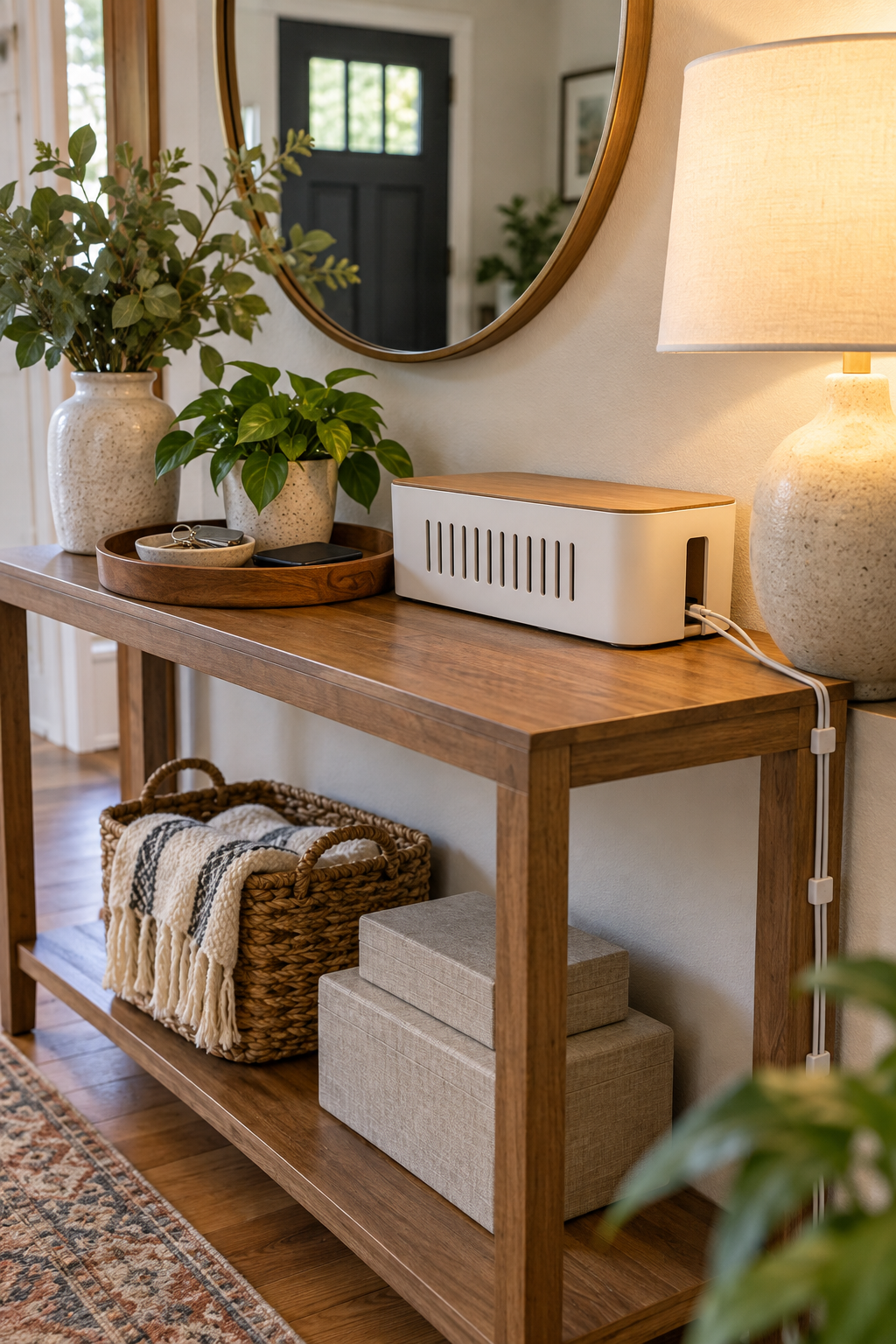
Visible cables can make an otherwise tidy room feel unfinished. Place a charging tray near an outlet, label similar cords, and guide cables along furniture or walls with appropriate removable clips. Avoid pinching cables under rugs or overloading sockets. A ventilated cable box may conceal a power strip, but follow product safety instructions and keep heat-producing adapters uncovered when required. Planning power access before positioning furniture improves both appearance and daily convenience, and it costs far less than adding more decorative objects.
27. Use Baskets Where They Solve a Real Problem
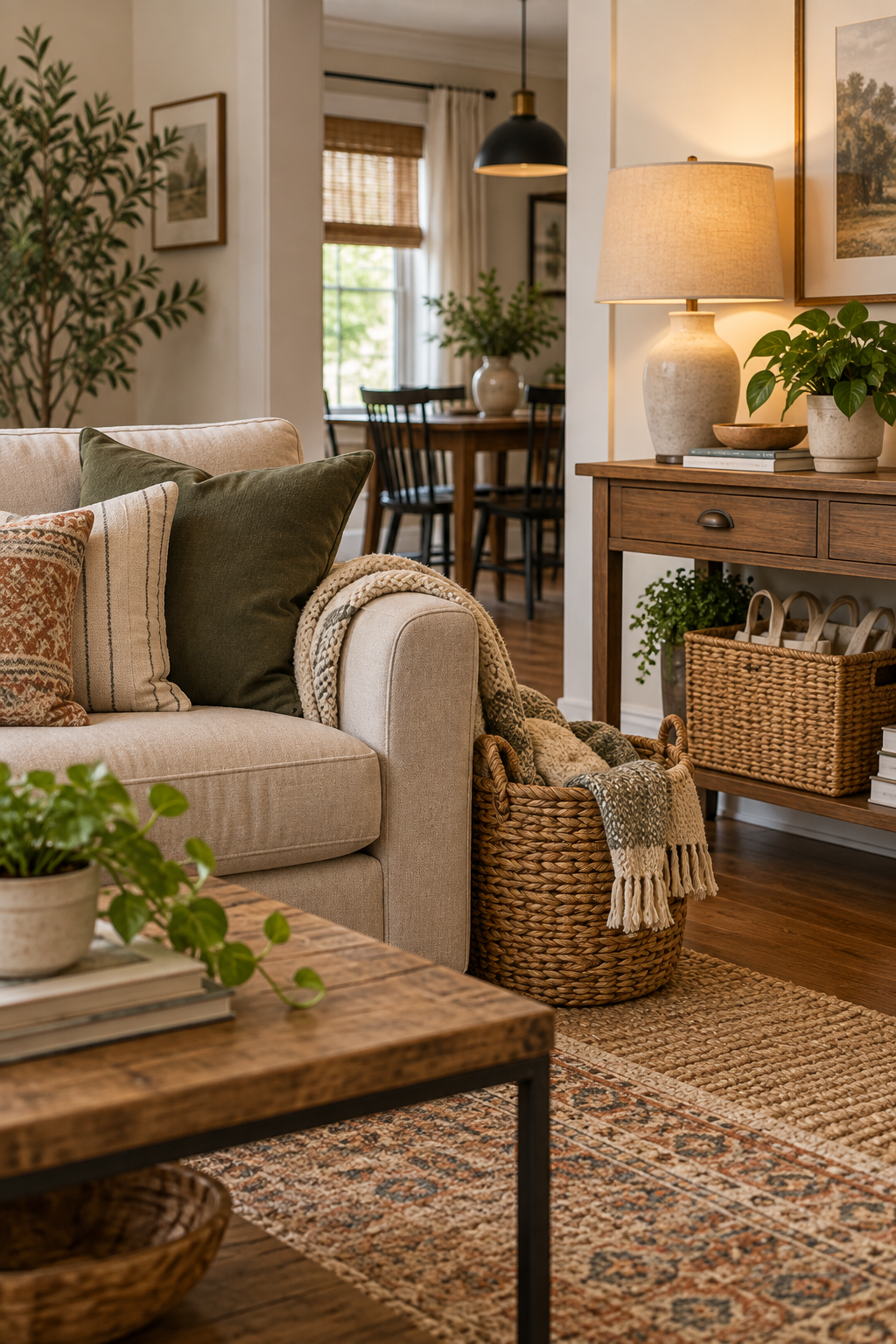
Baskets are most effective when each one has a defined job: blankets by the sofa, reusable bags near the door, or spare towels in the bathroom. Measure the shelf or floor area first and choose handles if the basket will be moved often. Avoid buying a roomful of matching containers before testing the routine. Woven textures add warmth, but washable fabric bins may be better for certain items. Practical containment creates visual calm while ensuring that possessions remain easy to find and return.
28. Add Personality with a Small Collected Display
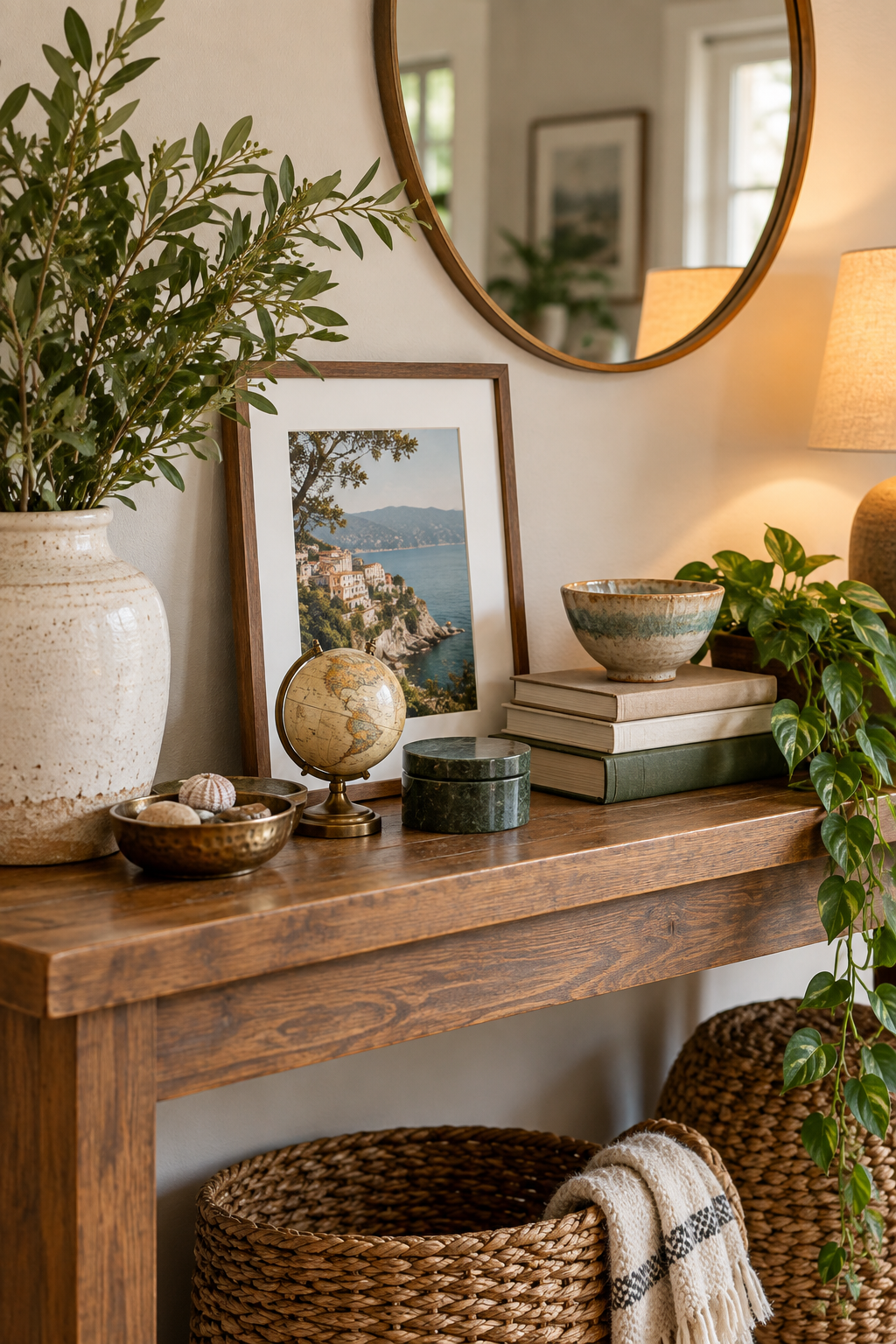
Your first home should reveal something about you. Create one small vignette from a framed photograph, a travel keepsake, inherited object, favorite book, or handmade piece. Vary the heights, connect the objects through color, and leave open surface around them. Avoid scattering tiny items across every room; concentrating them gives each piece greater presence and simplifies cleaning. As your collection grows, rotate objects seasonally. Meaningful decor cannot be replicated by a shopping list, and it often becomes the most memorable part of the home.
29. Decorate Slowly and Keep a Future-Wish List
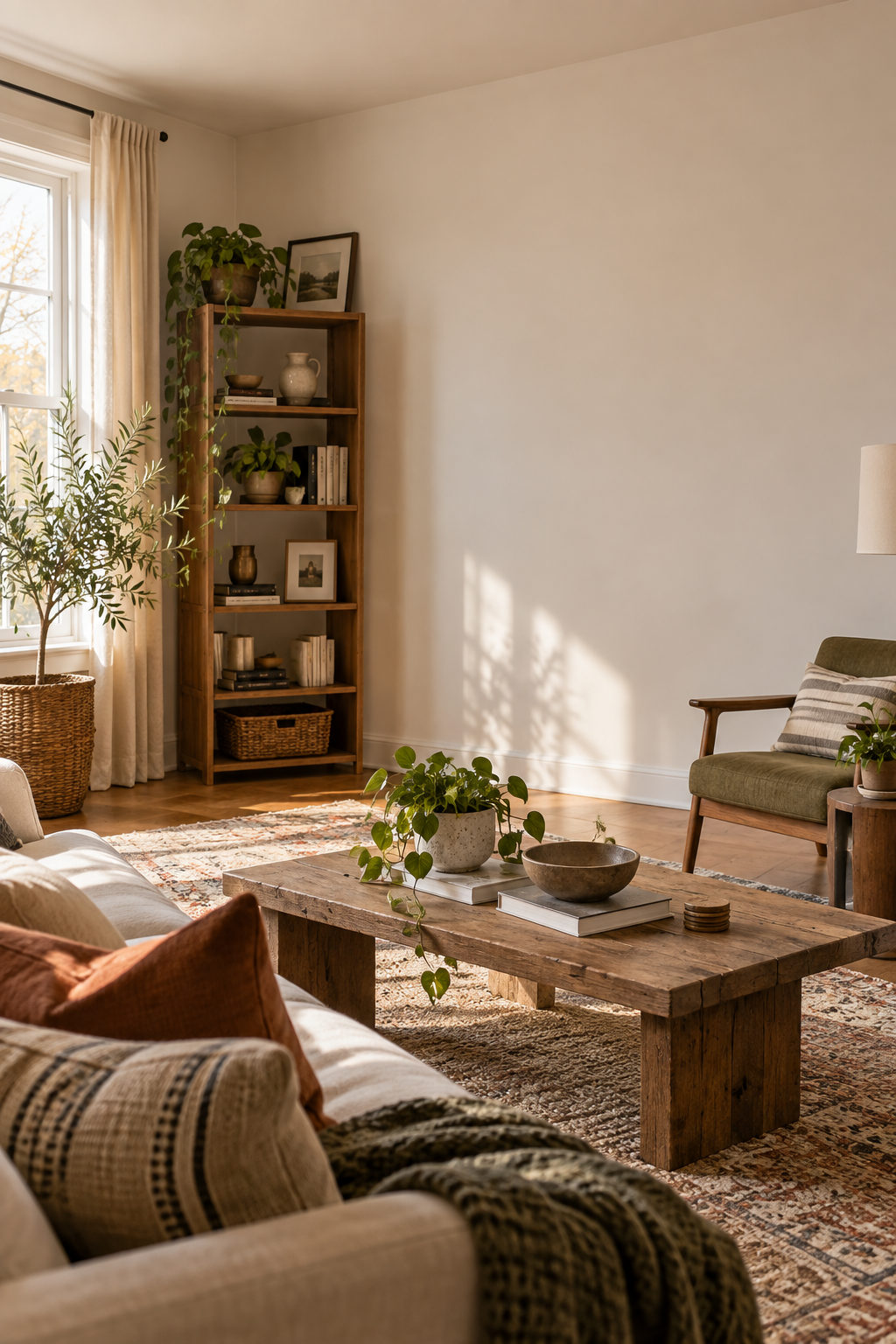
Leaving some walls and corners unfinished is not a decorating failure. Live with the layout, notice recurring problems, and maintain a written wish list with measurements, priority, and possible sources. Waiting helps distinguish a genuine need from a passing trend and makes it easier to recognize the right secondhand piece. Review the home every few months, move items between rooms, and sell or donate choices that no longer work. A patient home develops continuity, stories, and confidence—qualities that cannot be purchased all at once.
Frequently Asked Questions
What should I buy first for my first home?
Begin with items that support sleep, seating, meals, lighting, privacy, and safe storage. The precise order depends on how you live. A comfortable mattress and practical window covering may matter more than a decorated living room during the first weeks.
How can I make inexpensive furniture look cohesive?
Repeat a limited palette, consistent wood tones, and a few common materials. Good spacing, coordinated lighting, and properly scaled rugs or curtains help mixed furniture read as an intentional collection rather than a temporary assortment.
Is it better to furnish one room at a time?
Usually, yes. Make essential areas functional across the home, then concentrate decorative spending on the room you use most. Completing rooms gradually reduces rushed purchases and lets lessons from the first space guide later decisions.
What home decor is worth buying secondhand?
Mirrors, frames, solid wood tables, chairs, cabinets, lamps that can be safely checked, and decorative ceramics are useful categories. Inspect every item for condition, stability, cleanliness, pests, recalls, and the true cost of transport or repair.
How do I decorate a rental without losing my deposit?
Read the lease and obtain permission where required. Use freestanding furniture, removable hooks rated for the surface, tension rods, textiles, and tested peel-and-stick products. Keep original hardware labeled so it can be reinstalled before moving.
How do I avoid wasting money on trends?
Use trend-led colors or motifs on small, reversible items such as covers, prints, and table linens. Keep larger pieces versatile and buy only after checking dimensions, care requirements, and whether the item solves a real need.
How many colors should a first home use?
There is no fixed rule, but a foundation neutral, a grounding tone, and two or three accents are manageable. Repeat them in different proportions rather than giving every room a completely unrelated palette.
How can a small first home feel less cluttered?
Protect clear walkways, choose furniture with useful storage, group everyday items by activity, and leave negative space on shelves and counters. Edit possessions before buying organizers, because storage products cannot compensate for too many unused objects.
Related Reading
- Renter-friendly apartment makeover ideas without permanent changes
- Small dining nook ideas for apartments and compact homes
- Cozy entryway ideas that make a beautiful first impression
- Warm minimalist home decor ideas that still feel cozy
Your first home does not have to be expensive or instantly complete to look beautiful. When you measure carefully, prioritize comfort, repeat a coherent palette, and allow meaningful objects to arrive over time, the result feels grounded and personal. Use these ideas as a flexible framework, then adapt them to your rooms, routines, and realistic budget.