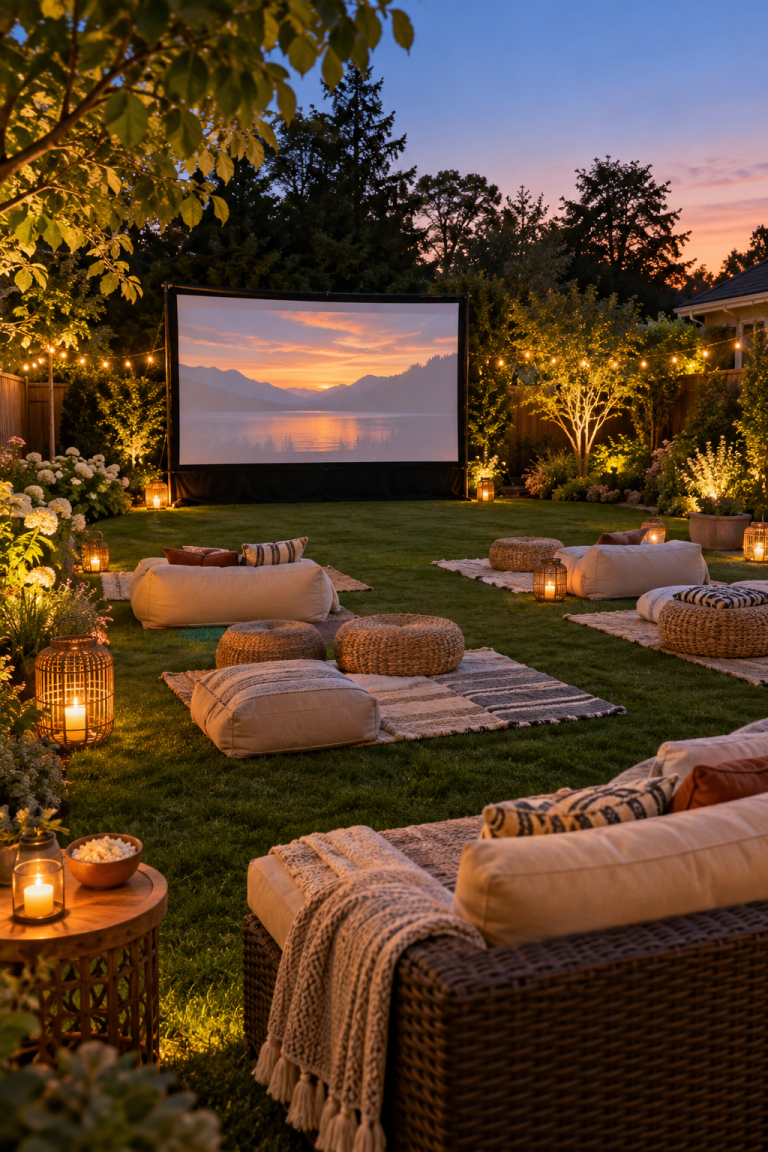
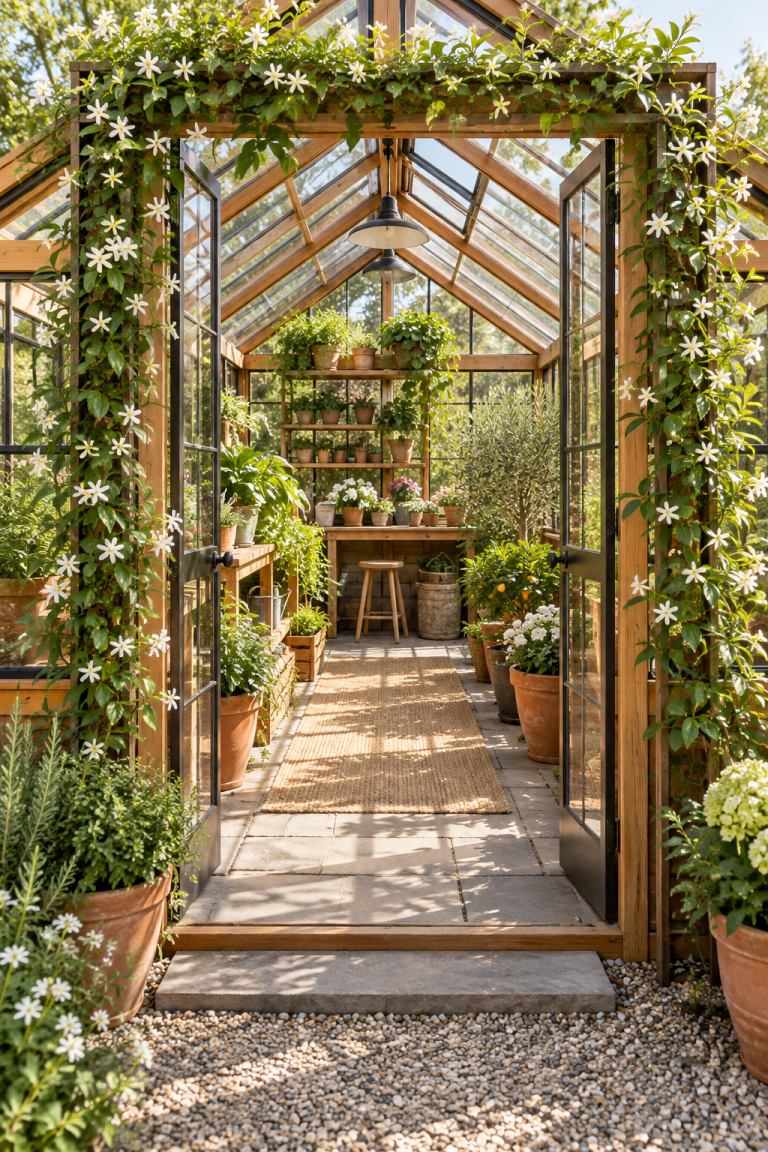
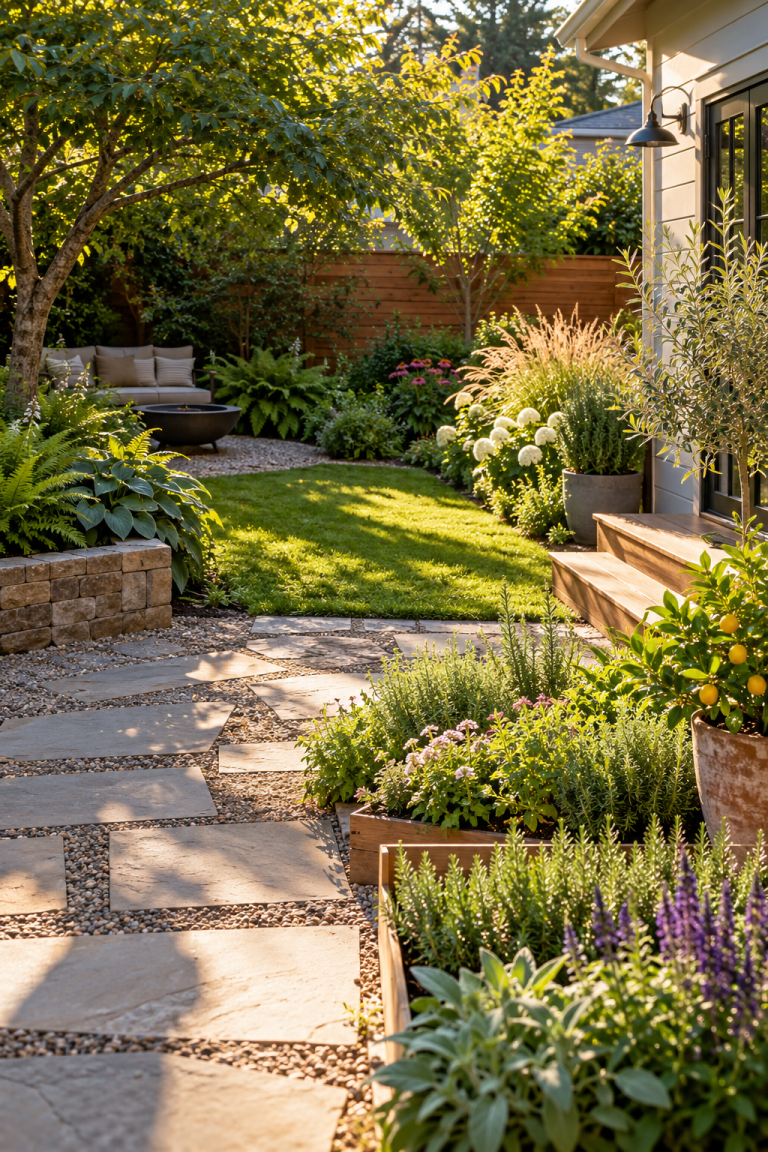
A productive home vegetable garden begins with sun, soil, water and a layout that makes routine care easy. Thoughtful bed widths, stable paths and vertical supports can increase the harvest without turning the backyard into a crowded work zone.
These home vegetable garden ideas combine attractive structure with practical growing methods. Match crops to your climate and season, test soil where needed, follow local watering guidance and use only products labeled for edible gardens.
1. Choose the Sunniest Productive Zone
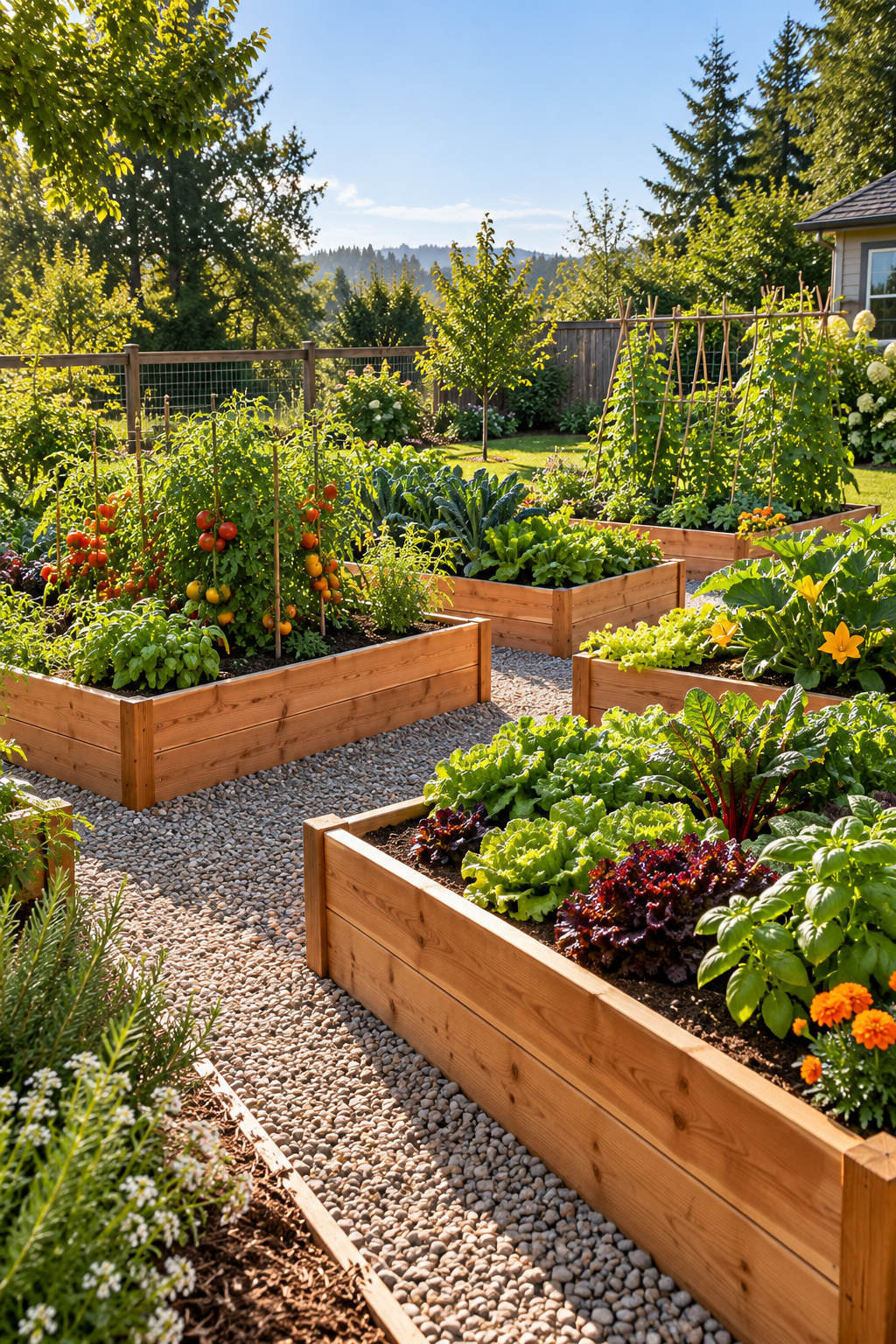
Choose the Sunniest Productive Zone works best when it solves a real spatial need as well as adding beauty. Begin with the dimensions and daily movement of the yard, then give this feature enough room to function without narrowing the main route.
Use one dominant material, a restrained plant palette and repeated shapes to prevent the limited area from feeling fragmented. The result is a backyard that feels deeper, calmer and more useful than its measurements suggest.
Before installing it, observe sun, wind and drainage after different weather conditions. Select regionally appropriate plants, use water responsibly, keep walking surfaces stable, and call the relevant service before digging where utilities may be present.
2. Plan Wide Paths Before Building Beds
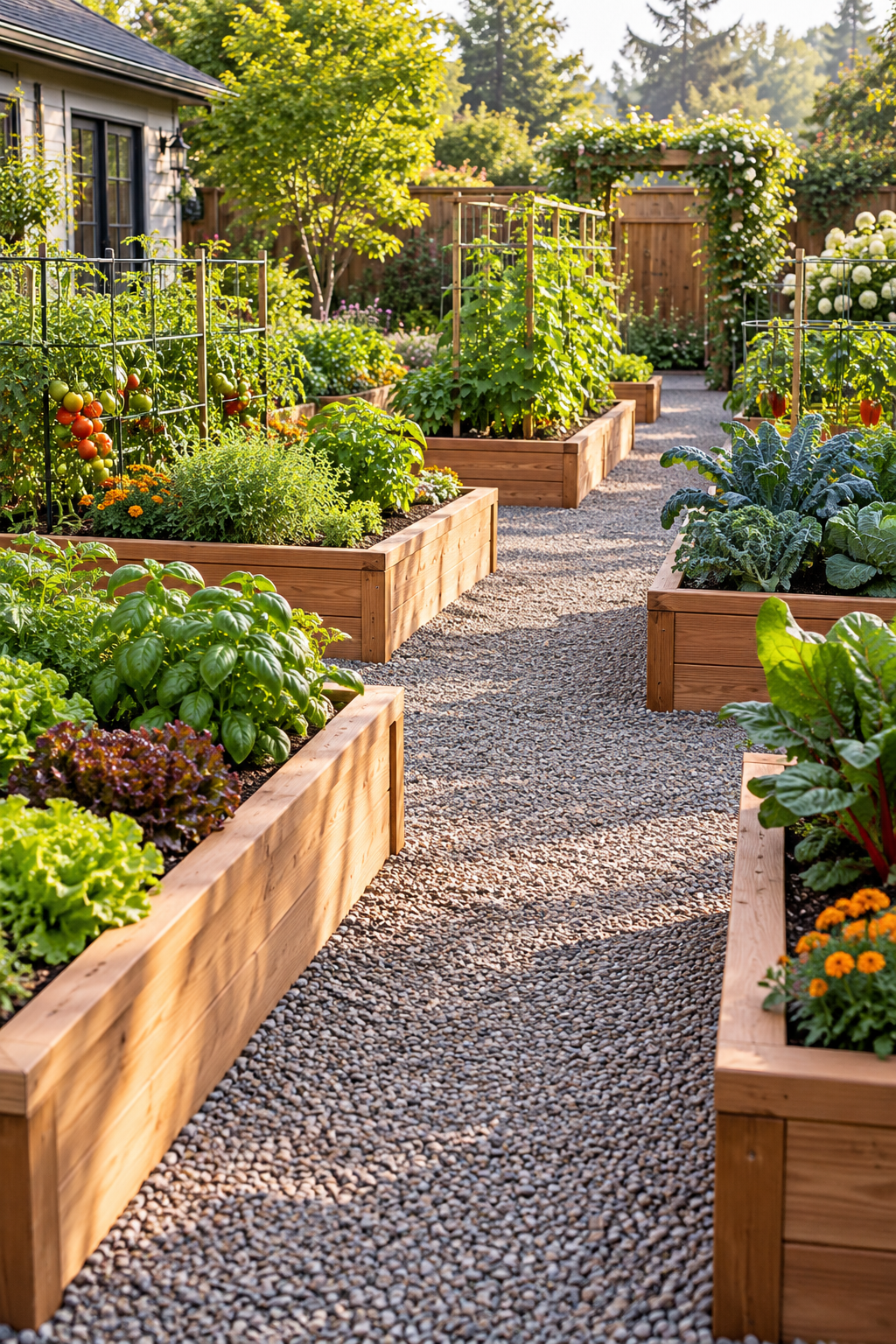
Plan Wide Paths Before Building Beds works best when it solves a real spatial need as well as adding beauty. Choose materials that repeat the home exterior so the compact landscape reads as one continuous, intentional composition.
Contrast fine foliage with a few broad leaves, then allow breathing room so each layer remains visible from the house. This creates a polished focal point while preserving the open sightlines that help a tiny yard feel comfortable.
Before installing it, observe sun, wind and drainage after different weather conditions. Select regionally appropriate plants, use water responsibly, keep walking surfaces stable, and call the relevant service before digging where utilities may be present.
3. Build Cedar Raised Beds for Easy Reach
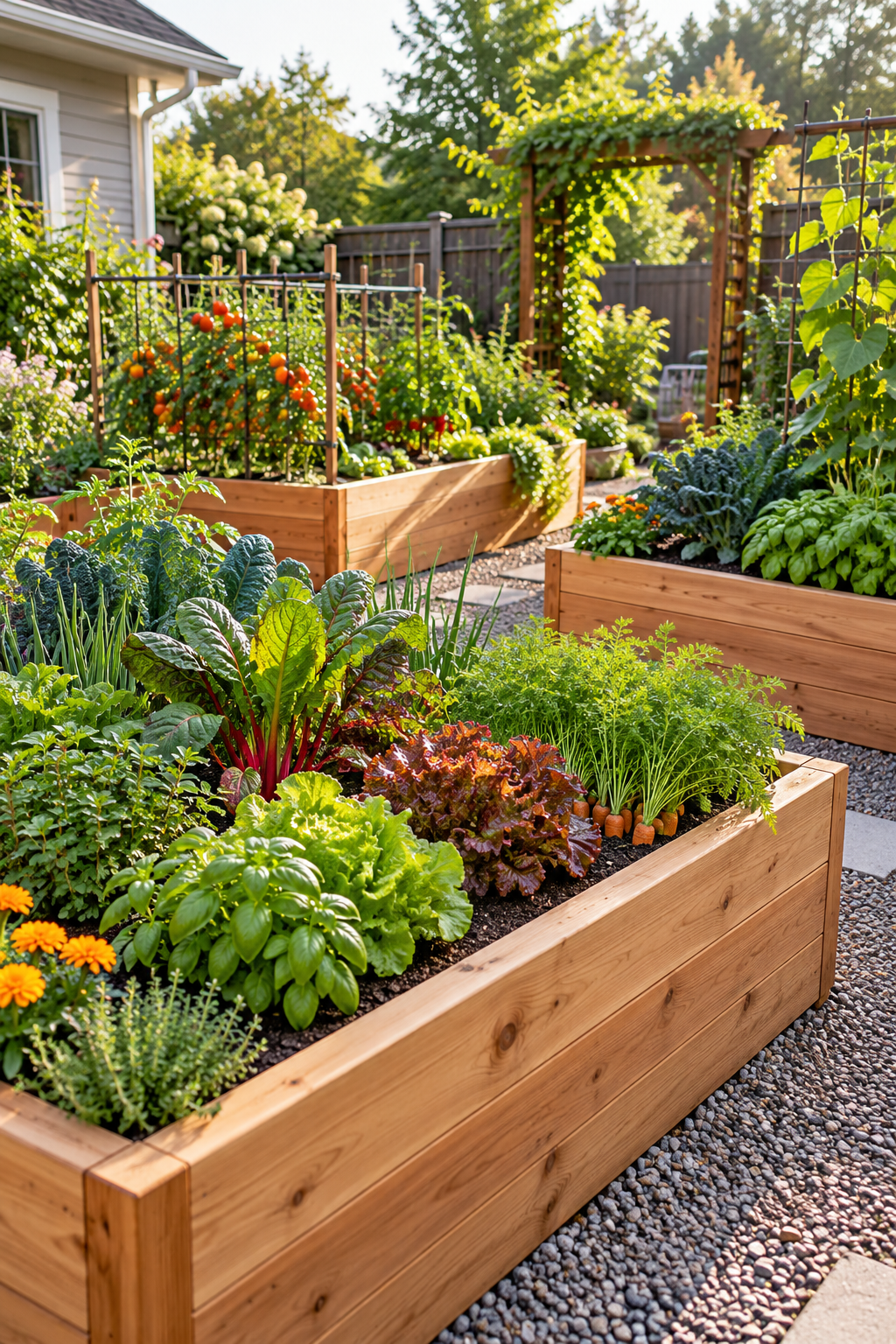
Build Cedar Raised Beds for Easy Reach works best when it solves a real spatial need as well as adding beauty. Keep the footprint modest and let vertical height, foliage texture and a clear edge create most of the visual impact.
Connect the idea to a nearby path or seat, turning it into part of the garden experience rather than an isolated decoration. The garden gains character without sacrificing circulation, storage or everyday flexibility.
Before installing it, observe sun, wind and drainage after different weather conditions. Select regionally appropriate plants, use water responsibly, keep walking surfaces stable, and call the relevant service before digging where utilities may be present.
4. Create a Simple Four-Bed Rotation
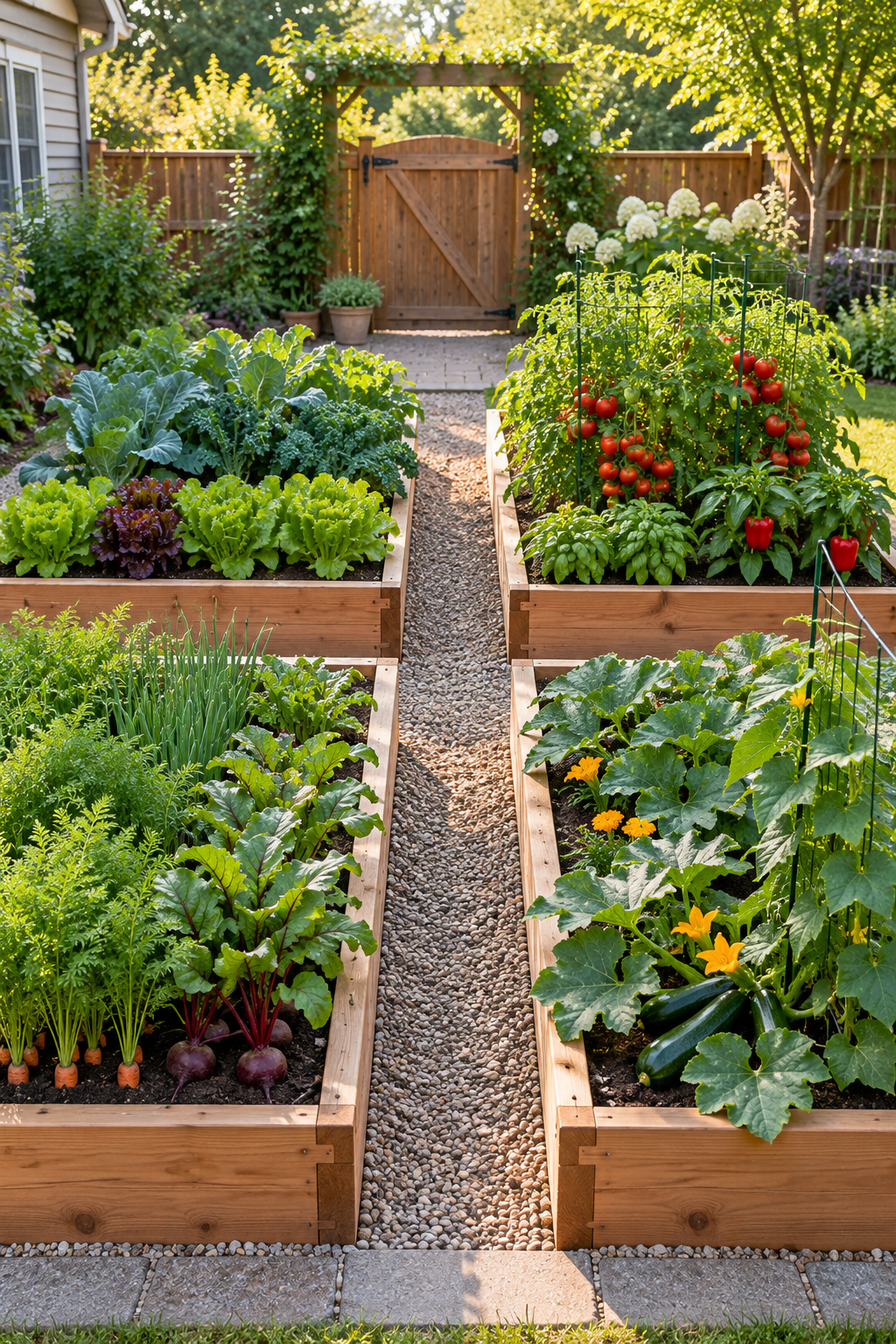
Create a Simple Four-Bed Rotation works best when it solves a real spatial need as well as adding beauty. Test the placement with temporary pots, stakes or outdoor furniture before committing to construction or mature plants.
Consider mature plant size, root behavior, irrigation access and safe clearances from walls, gates and utilities. It adds year-round structure, making seasonal flowers and movable accents easier to edit.
Before installing it, observe sun, wind and drainage after different weather conditions. Select regionally appropriate plants, use water responsibly, keep walking surfaces stable, and call the relevant service before digging where utilities may be present.
5. Add a Vertical Trellis for Beans
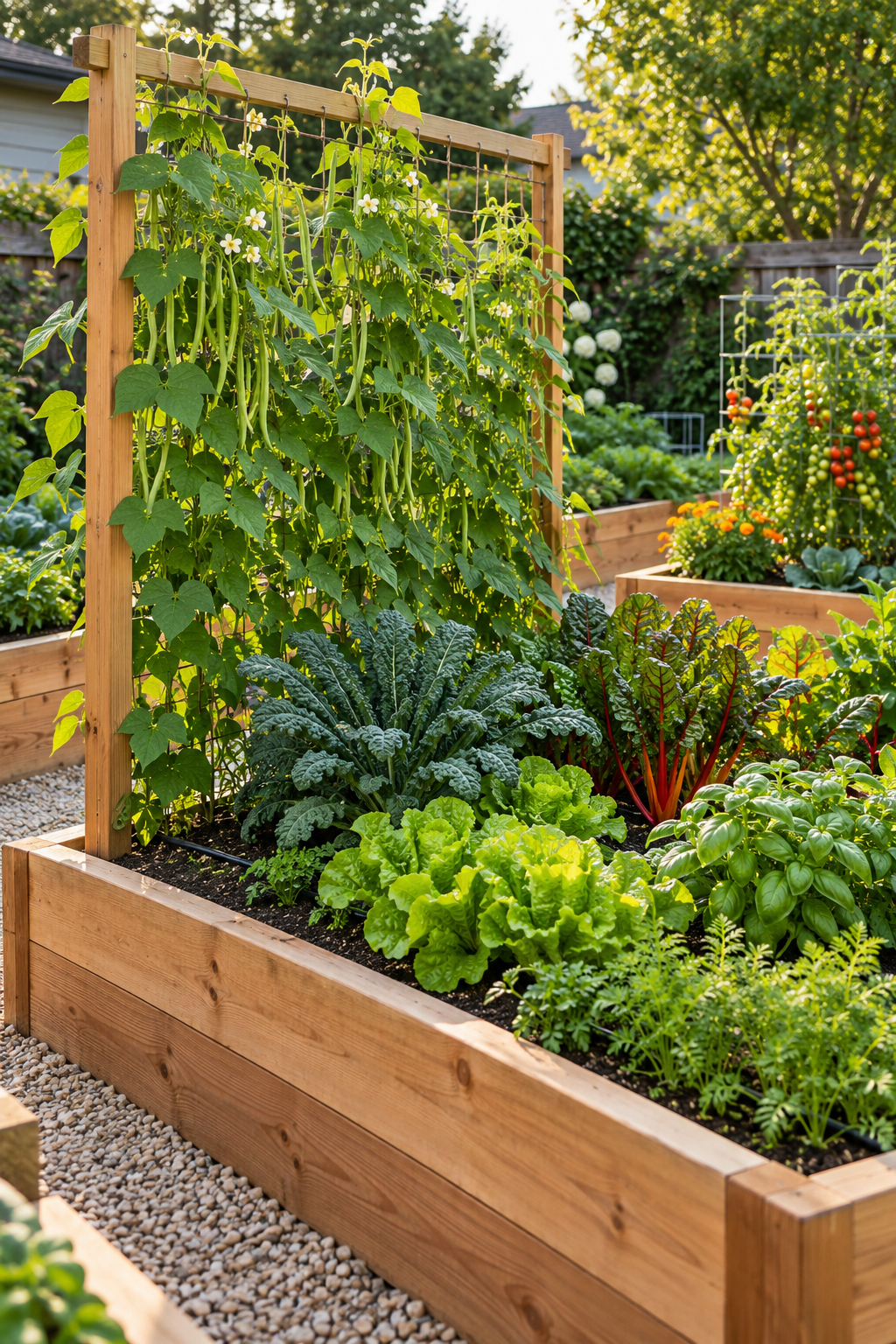
Add a Vertical Trellis for Beans works best when it solves a real spatial need as well as adding beauty. Prioritize durable, climate-suited choices that look good through more than one season and do not demand constant replacement.
Finish the surrounding soil with mulch, gravel or groundcover so the detail looks settled and routine maintenance stays manageable. The space feels intimate rather than crowded because every element supports the same visual rhythm.
Before installing it, observe sun, wind and drainage after different weather conditions. Select regionally appropriate plants, use water responsibly, keep walking surfaces stable, and call the relevant service before digging where utilities may be present.
6. Train Cucumbers Up a Sturdy Frame
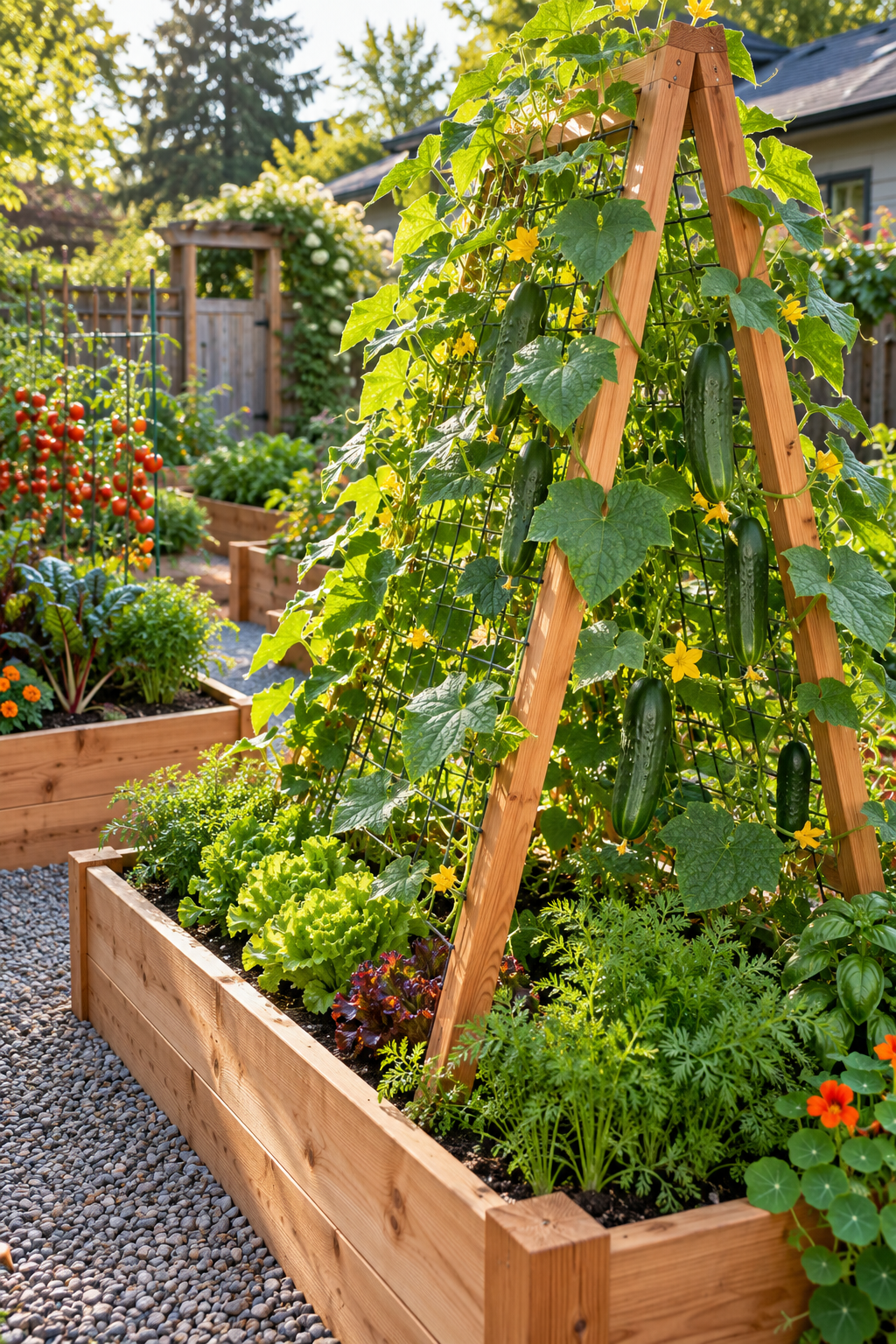
Train Cucumbers Up a Sturdy Frame works best when it solves a real spatial need as well as adding beauty. Begin with the dimensions and daily movement of the yard, then give this feature enough room to function without narrowing the main route.
Use one dominant material, a restrained plant palette and repeated shapes to prevent the limited area from feeling fragmented. The result is a backyard that feels deeper, calmer and more useful than its measurements suggest.
Before installing it, observe sun, wind and drainage after different weather conditions. Select regionally appropriate plants, use water responsibly, keep walking surfaces stable, and call the relevant service before digging where utilities may be present.
7. Grow Tomatoes on Strong Supports
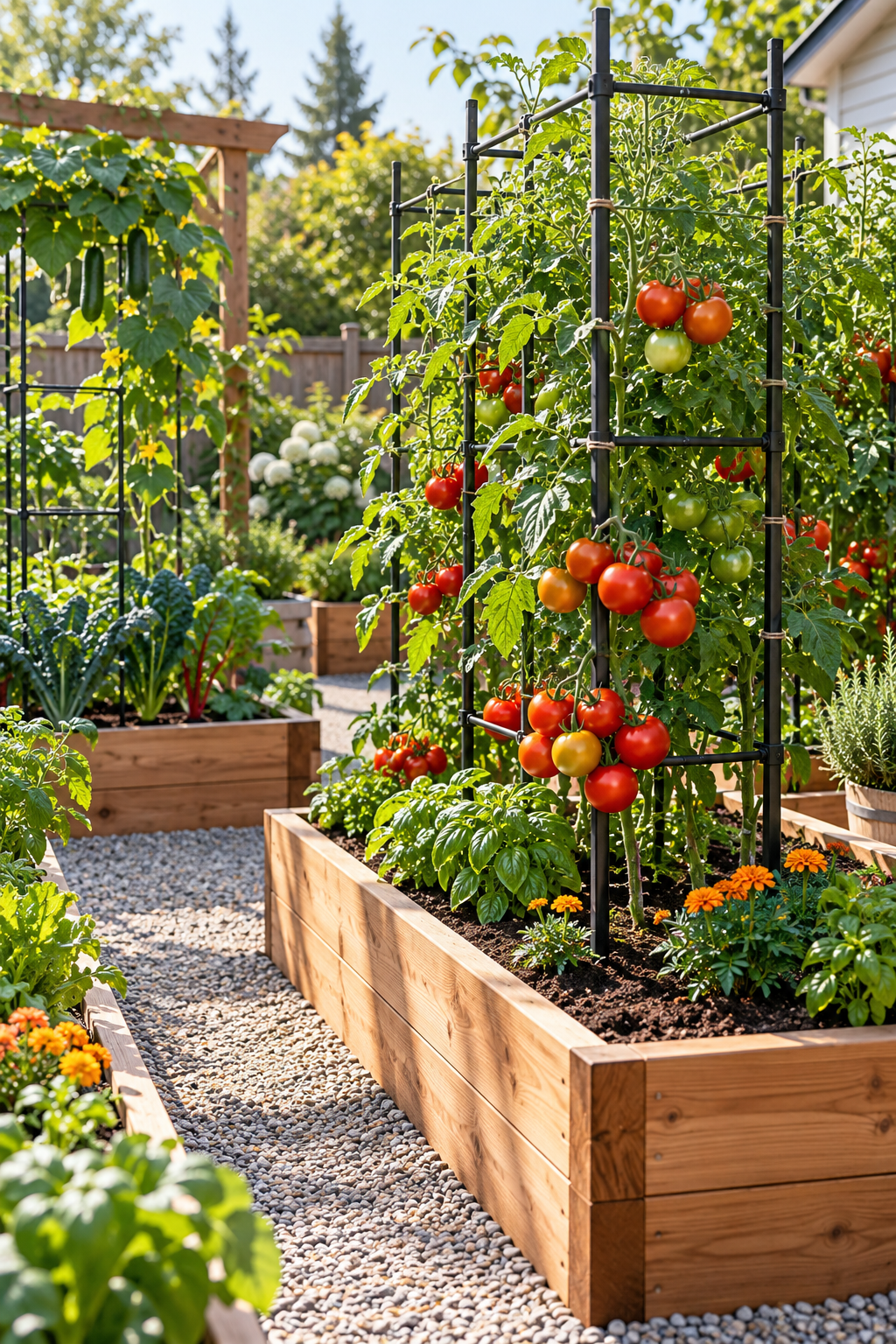
Grow Tomatoes on Strong Supports works best when it solves a real spatial need as well as adding beauty. Choose materials that repeat the home exterior so the compact landscape reads as one continuous, intentional composition.
Contrast fine foliage with a few broad leaves, then allow breathing room so each layer remains visible from the house. This creates a polished focal point while preserving the open sightlines that help a tiny yard feel comfortable.
Before installing it, observe sun, wind and drainage after different weather conditions. Select regionally appropriate plants, use water responsibly, keep walking surfaces stable, and call the relevant service before digging where utilities may be present.
8. Plant Salad Greens in Succession
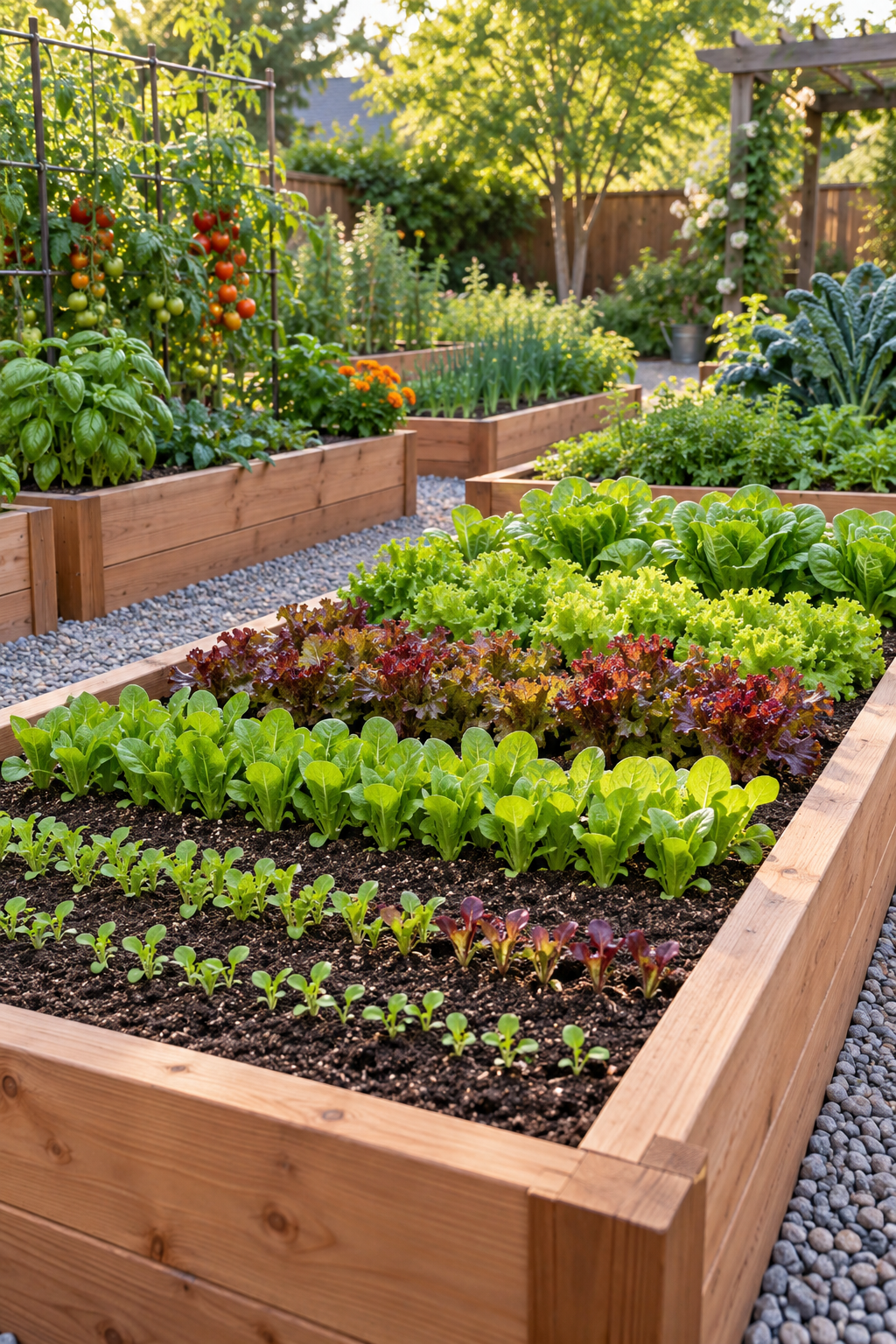
Plant Salad Greens in Succession works best when it solves a real spatial need as well as adding beauty. Keep the footprint modest and let vertical height, foliage texture and a clear edge create most of the visual impact.
Connect the idea to a nearby path or seat, turning it into part of the garden experience rather than an isolated decoration. The garden gains character without sacrificing circulation, storage or everyday flexibility.
Before installing it, observe sun, wind and drainage after different weather conditions. Select regionally appropriate plants, use water responsibly, keep walking surfaces stable, and call the relevant service before digging where utilities may be present.
9. Create a Dedicated Culinary Herb Bed
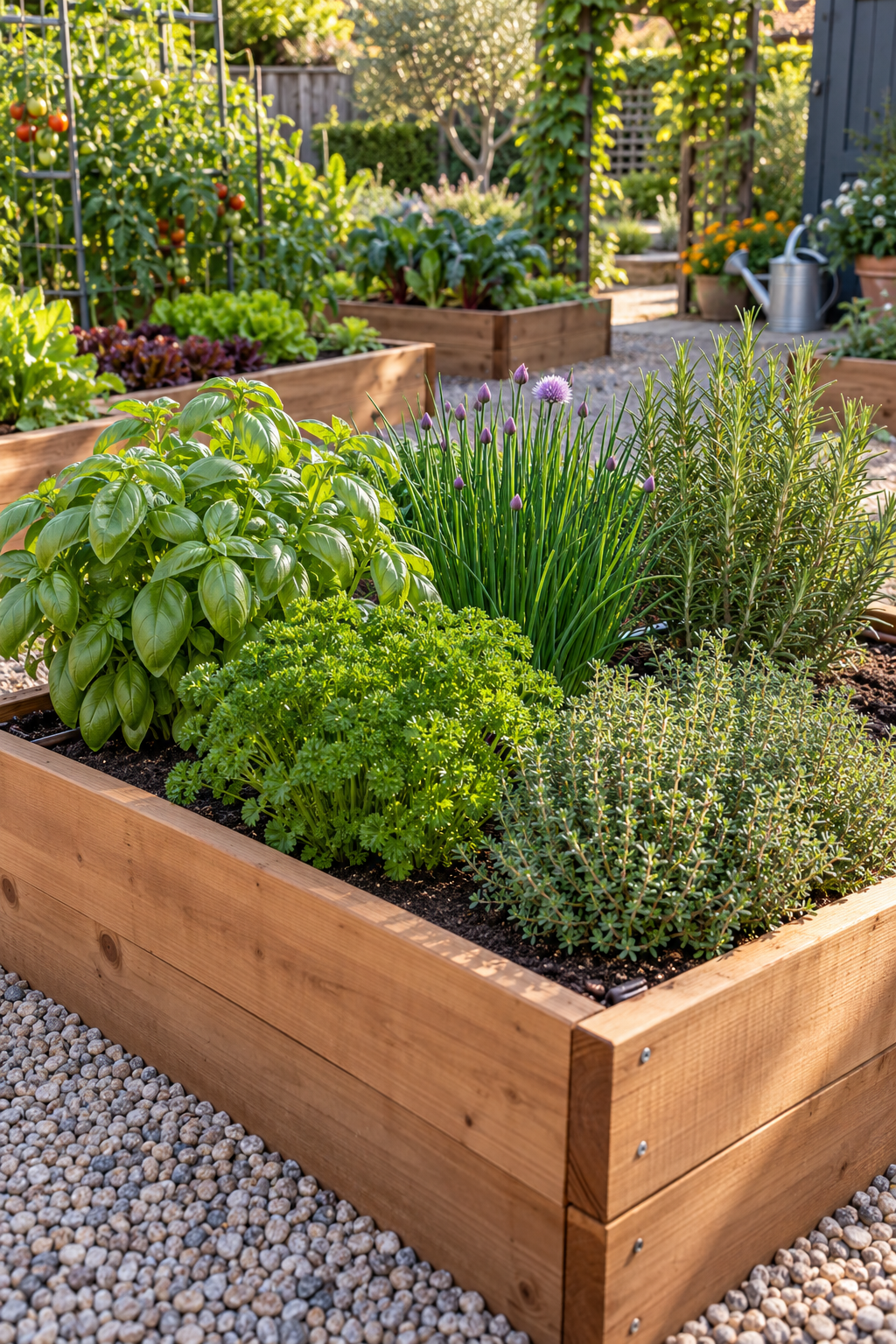
Create a Dedicated Culinary Herb Bed works best when it solves a real spatial need as well as adding beauty. Test the placement with temporary pots, stakes or outdoor furniture before committing to construction or mature plants.
Consider mature plant size, root behavior, irrigation access and safe clearances from walls, gates and utilities. It adds year-round structure, making seasonal flowers and movable accents easier to edit.
Before installing it, observe sun, wind and drainage after different weather conditions. Select regionally appropriate plants, use water responsibly, keep walking surfaces stable, and call the relevant service before digging where utilities may be present.
10. Mix Flowers with Vegetables for Pollinators
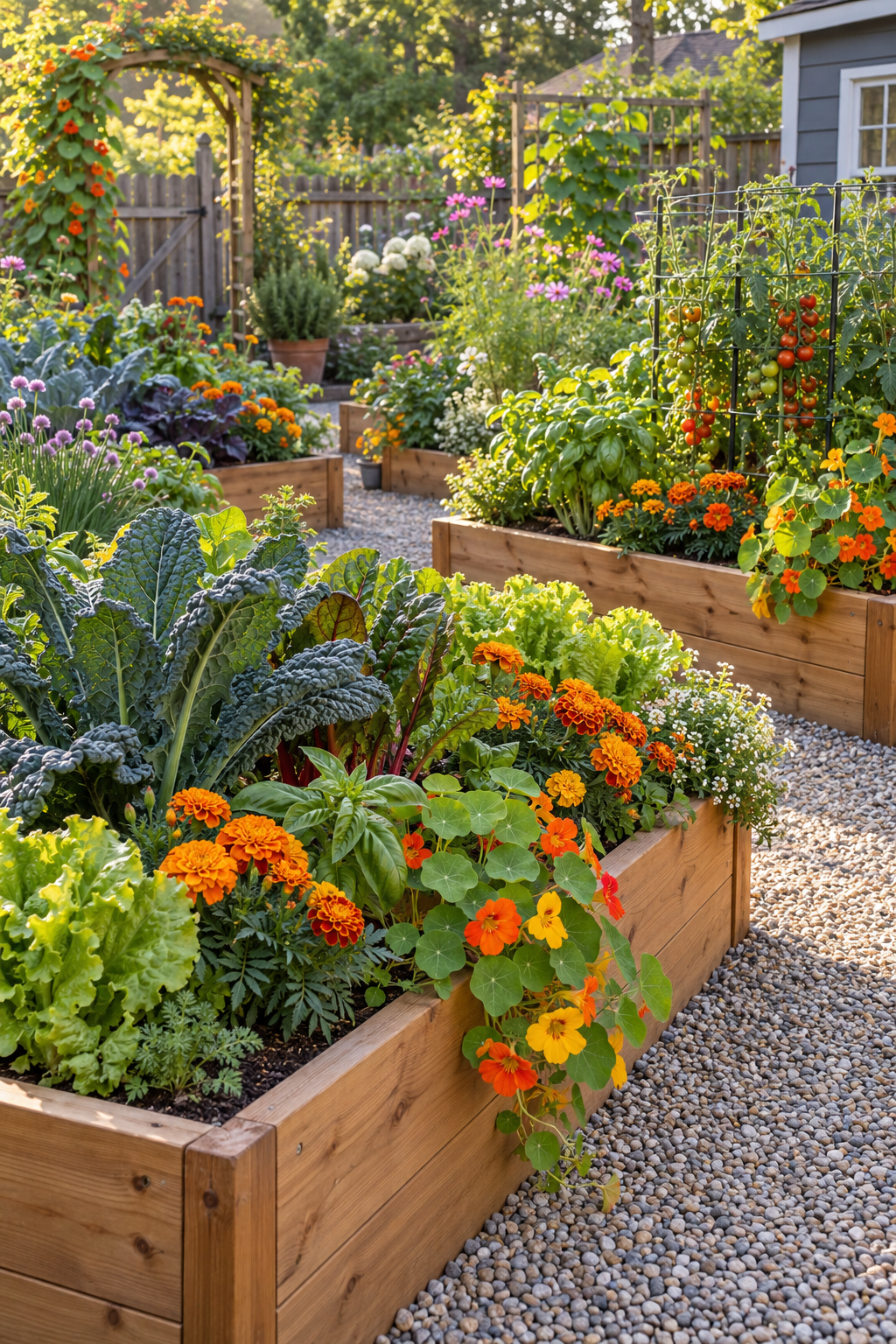
Mix Flowers with Vegetables for Pollinators works best when it solves a real spatial need as well as adding beauty. Prioritize durable, climate-suited choices that look good through more than one season and do not demand constant replacement.
Finish the surrounding soil with mulch, gravel or groundcover so the detail looks settled and routine maintenance stays manageable. The space feels intimate rather than crowded because every element supports the same visual rhythm.
Before installing it, observe sun, wind and drainage after different weather conditions. Select regionally appropriate plants, use water responsibly, keep walking surfaces stable, and call the relevant service before digging where utilities may be present.
11. Use Drip Irrigation beneath Mulch
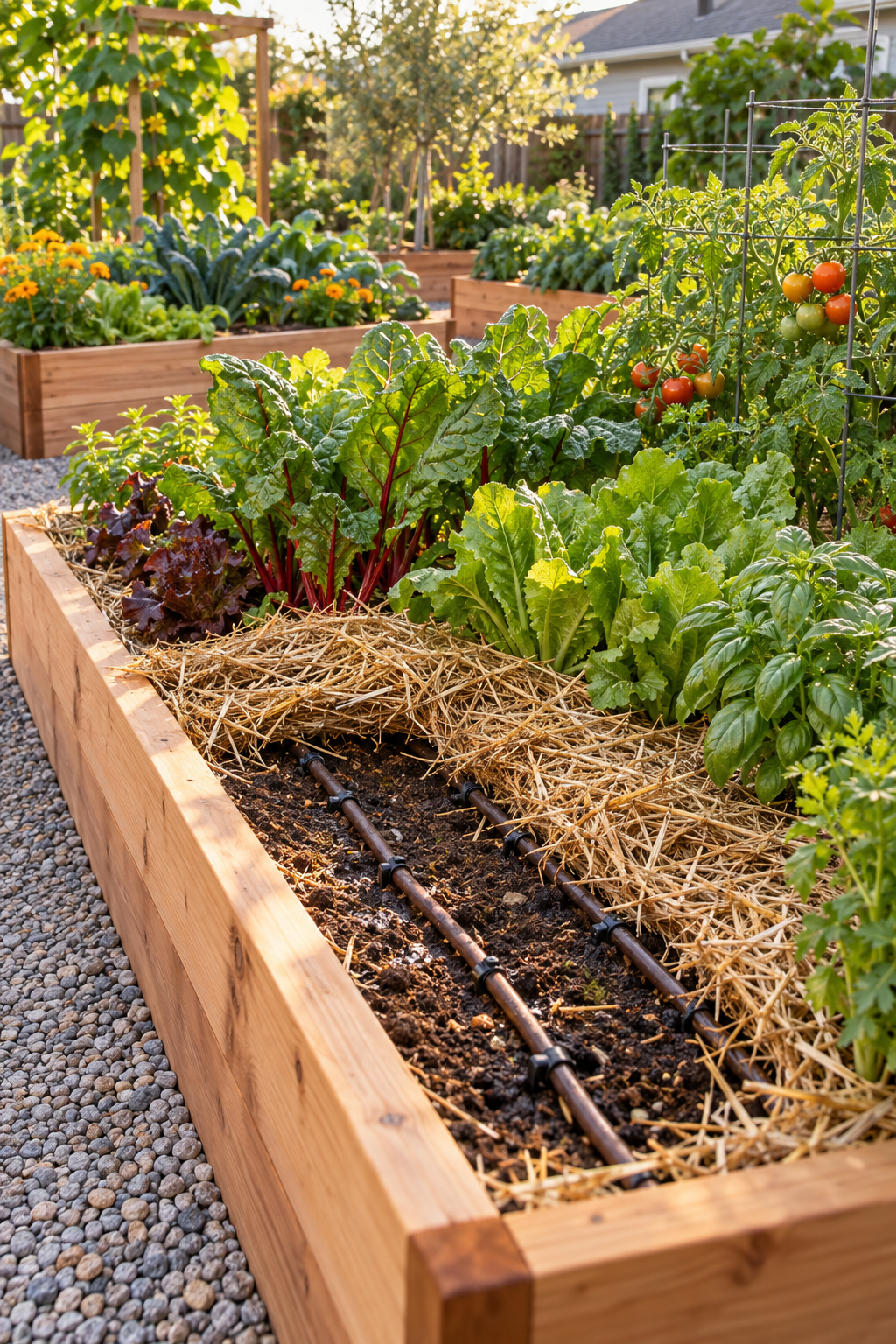
Use Drip Irrigation beneath Mulch works best when it solves a real spatial need as well as adding beauty. Begin with the dimensions and daily movement of the yard, then give this feature enough room to function without narrowing the main route.
Use one dominant material, a restrained plant palette and repeated shapes to prevent the limited area from feeling fragmented. The result is a backyard that feels deeper, calmer and more useful than its measurements suggest.
Before installing it, observe sun, wind and drainage after different weather conditions. Select regionally appropriate plants, use water responsibly, keep walking surfaces stable, and call the relevant service before digging where utilities may be present.
12. Add a Compact Compost Station
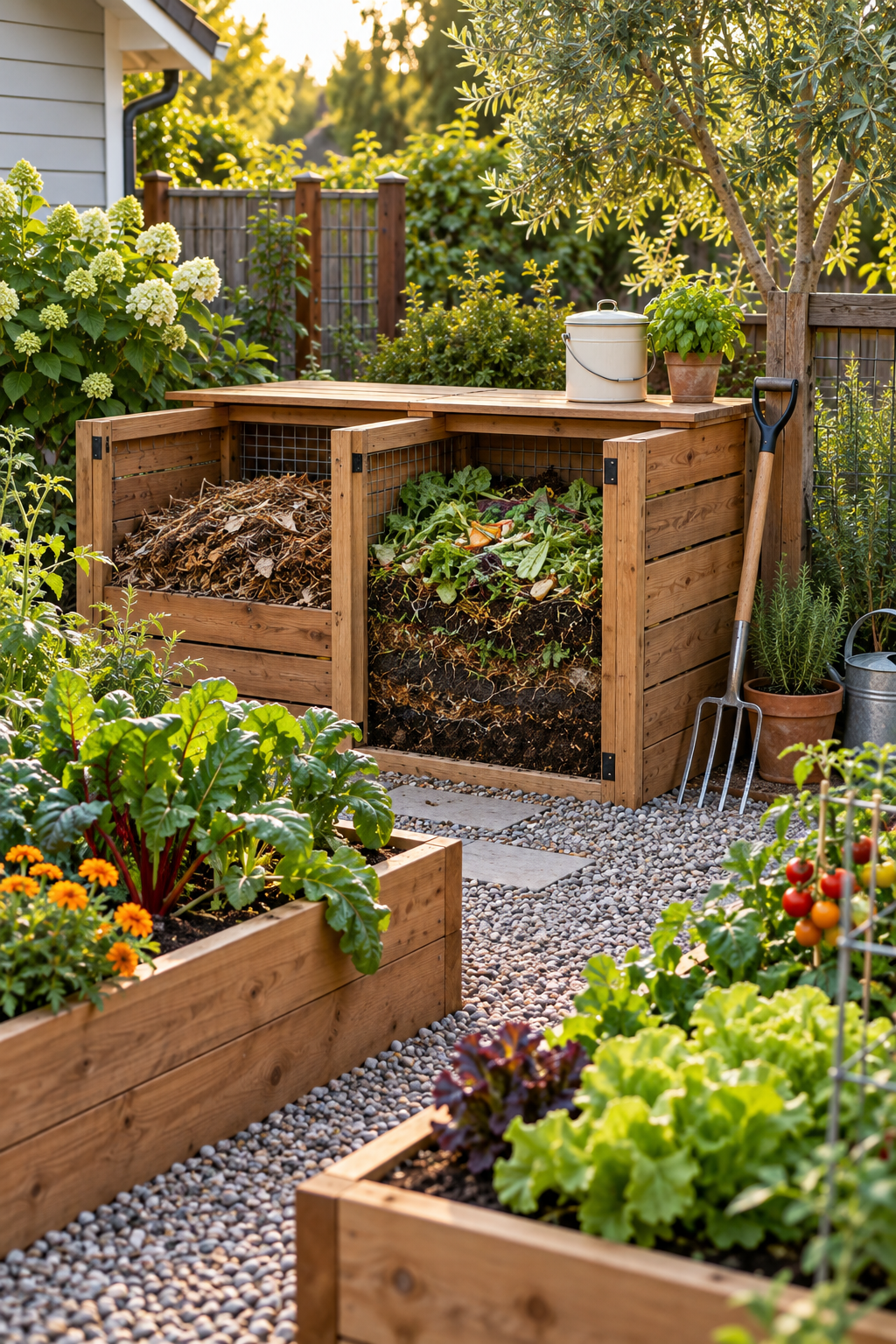
Add a Compact Compost Station works best when it solves a real spatial need as well as adding beauty. Choose materials that repeat the home exterior so the compact landscape reads as one continuous, intentional composition.
Contrast fine foliage with a few broad leaves, then allow breathing room so each layer remains visible from the house. This creates a polished focal point while preserving the open sightlines that help a tiny yard feel comfortable.
Before installing it, observe sun, wind and drainage after different weather conditions. Select regionally appropriate plants, use water responsibly, keep walking surfaces stable, and call the relevant service before digging where utilities may be present.
13. Install a Rain Barrel near the Beds
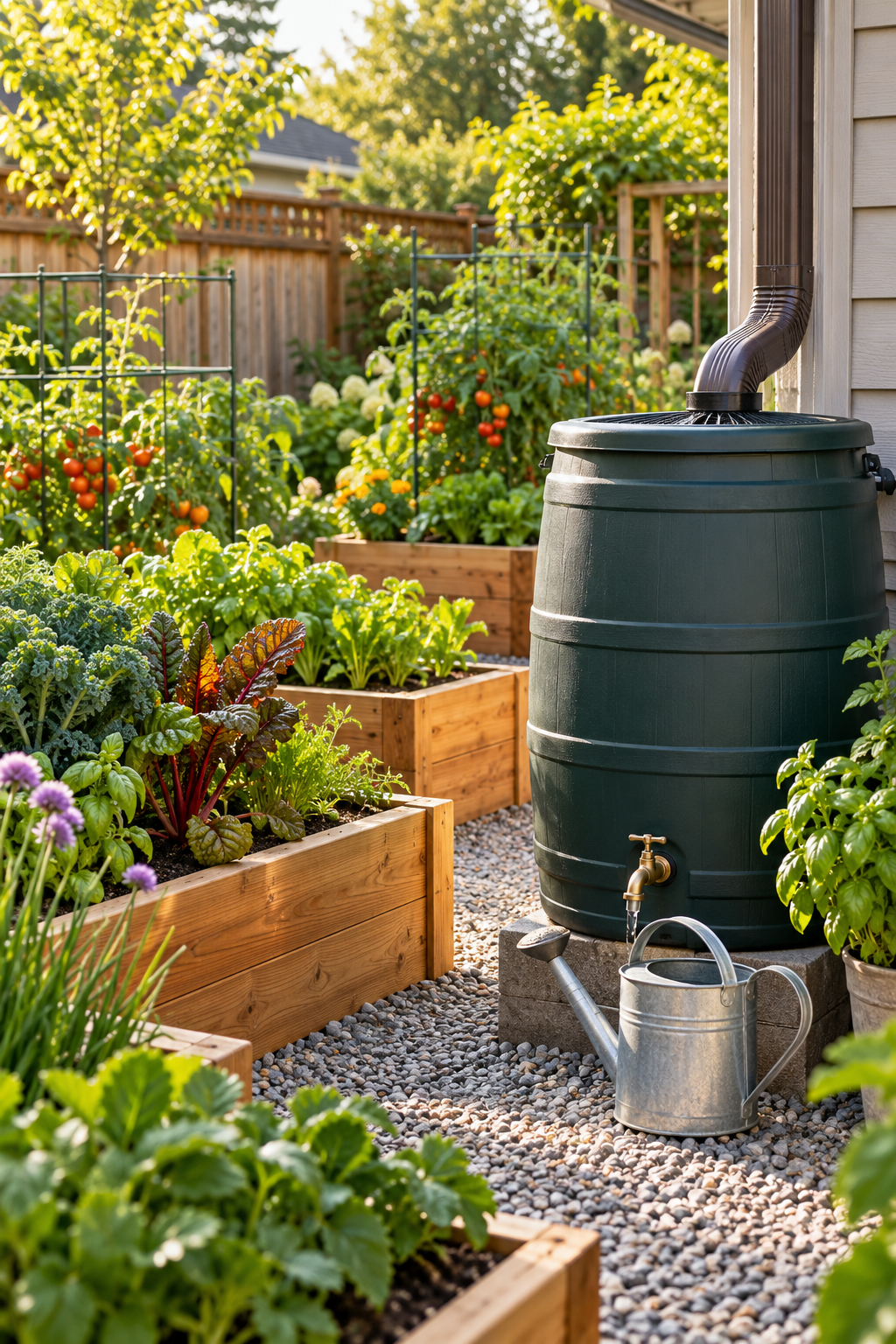
Install a Rain Barrel near the Beds works best when it solves a real spatial need as well as adding beauty. Keep the footprint modest and let vertical height, foliage texture and a clear edge create most of the visual impact.
Connect the idea to a nearby path or seat, turning it into part of the garden experience rather than an isolated decoration. The garden gains character without sacrificing circulation, storage or everyday flexibility.
Before installing it, observe sun, wind and drainage after different weather conditions. Select regionally appropriate plants, use water responsibly, keep walking surfaces stable, and call the relevant service before digging where utilities may be present.
14. Label Rows with Simple Wooden Markers
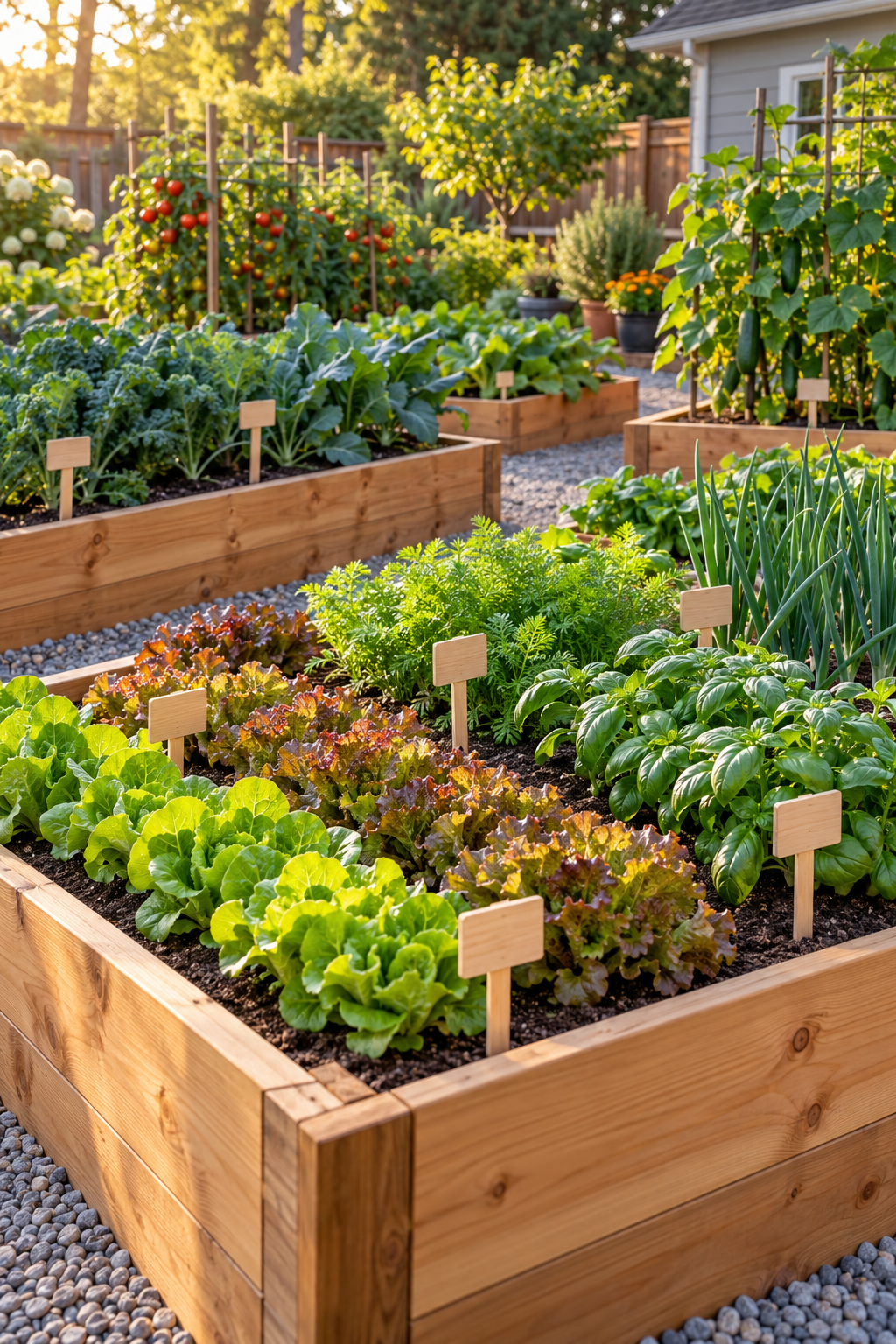
Label Rows with Simple Wooden Markers works best when it solves a real spatial need as well as adding beauty. Test the placement with temporary pots, stakes or outdoor furniture before committing to construction or mature plants.
Consider mature plant size, root behavior, irrigation access and safe clearances from walls, gates and utilities. It adds year-round structure, making seasonal flowers and movable accents easier to edit.
Before installing it, observe sun, wind and drainage after different weather conditions. Select regionally appropriate plants, use water responsibly, keep walking surfaces stable, and call the relevant service before digging where utilities may be present.
15. Grow Root Crops in Deep Loose Soil
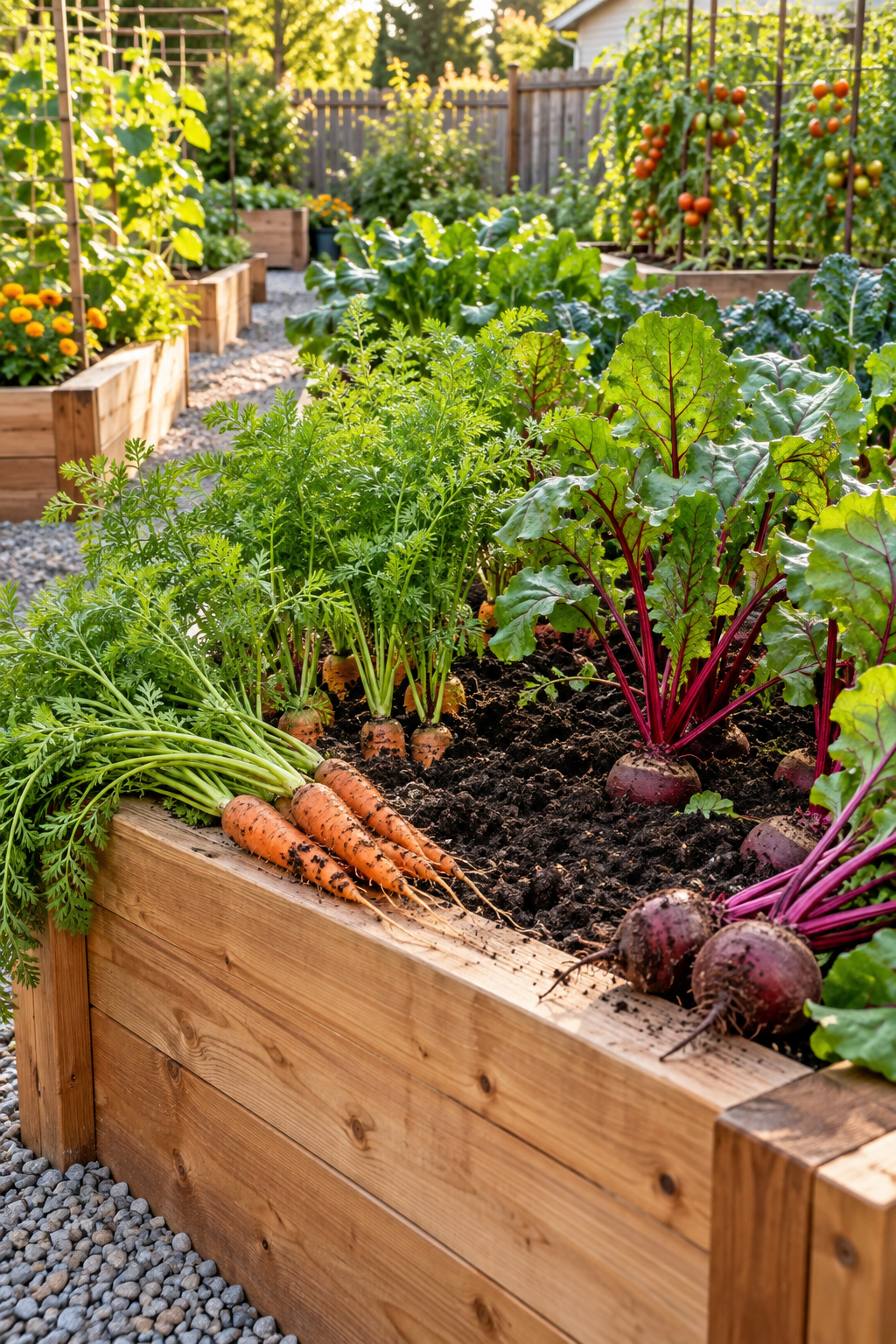
Grow Root Crops in Deep Loose Soil works best when it solves a real spatial need as well as adding beauty. Prioritize durable, climate-suited choices that look good through more than one season and do not demand constant replacement.
Finish the surrounding soil with mulch, gravel or groundcover so the detail looks settled and routine maintenance stays manageable. The space feels intimate rather than crowded because every element supports the same visual rhythm.
Before installing it, observe sun, wind and drainage after different weather conditions. Select regionally appropriate plants, use water responsibly, keep walking surfaces stable, and call the relevant service before digging where utilities may be present.
16. Use Containers for Peppers and Eggplants
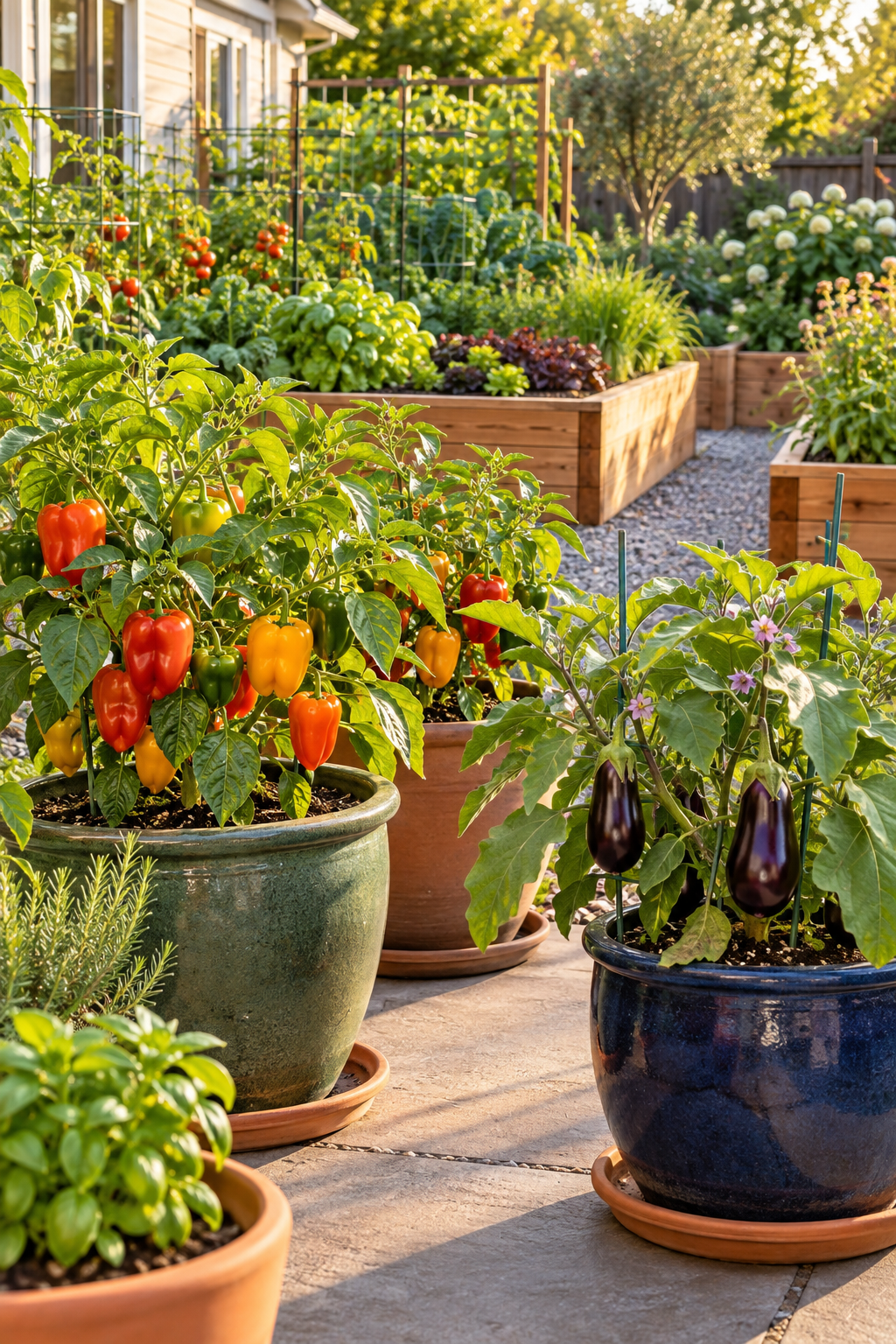
Use Containers for Peppers and Eggplants works best when it solves a real spatial need as well as adding beauty. Begin with the dimensions and daily movement of the yard, then give this feature enough room to function without narrowing the main route.
Use one dominant material, a restrained plant palette and repeated shapes to prevent the limited area from feeling fragmented. The result is a backyard that feels deeper, calmer and more useful than its measurements suggest.
Before installing it, observe sun, wind and drainage after different weather conditions. Select regionally appropriate plants, use water responsibly, keep walking surfaces stable, and call the relevant service before digging where utilities may be present.
17. Create a Strawberry Border
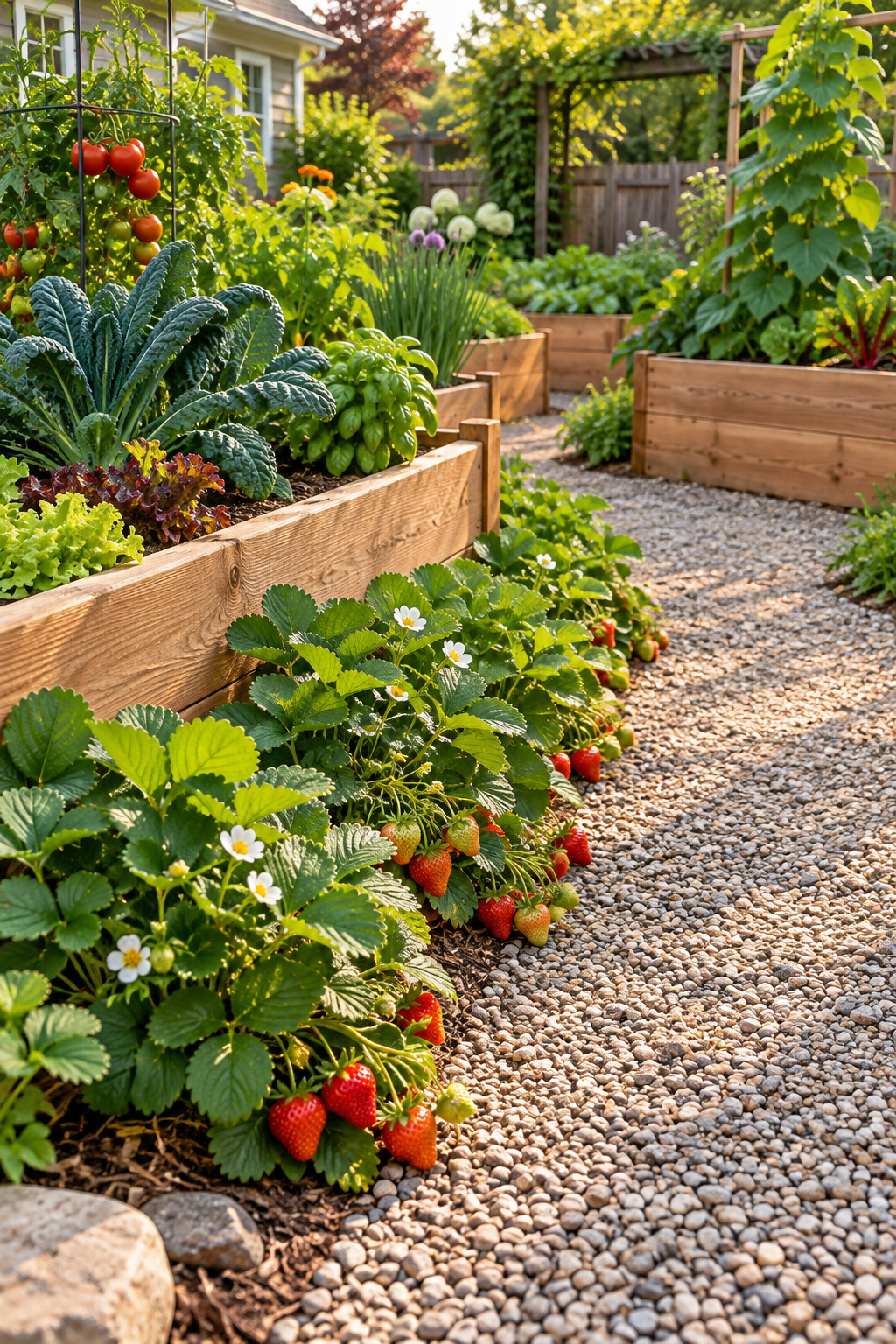
Create a Strawberry Border works best when it solves a real spatial need as well as adding beauty. Choose materials that repeat the home exterior so the compact landscape reads as one continuous, intentional composition.
Contrast fine foliage with a few broad leaves, then allow breathing room so each layer remains visible from the house. This creates a polished focal point while preserving the open sightlines that help a tiny yard feel comfortable.
Before installing it, observe sun, wind and drainage after different weather conditions. Select regionally appropriate plants, use water responsibly, keep walking surfaces stable, and call the relevant service before digging where utilities may be present.
18. Add a Shaded Nursery Area for Seedlings
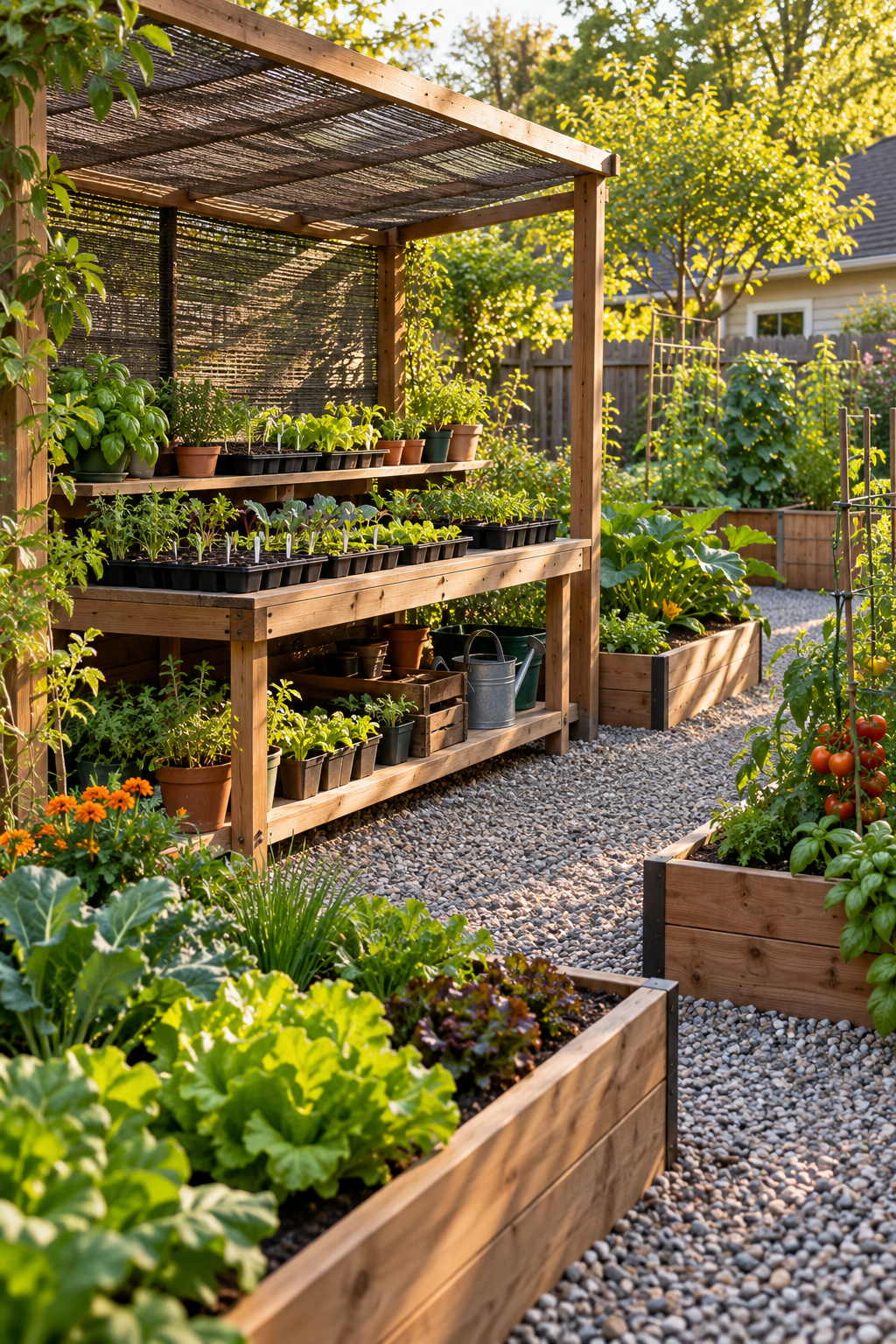
Add a Shaded Nursery Area for Seedlings works best when it solves a real spatial need as well as adding beauty. Keep the footprint modest and let vertical height, foliage texture and a clear edge create most of the visual impact.
Connect the idea to a nearby path or seat, turning it into part of the garden experience rather than an isolated decoration. The garden gains character without sacrificing circulation, storage or everyday flexibility.
Before installing it, observe sun, wind and drainage after different weather conditions. Select regionally appropriate plants, use water responsibly, keep walking surfaces stable, and call the relevant service before digging where utilities may be present.
19. Protect Crops with an Insect-Mesh Tunnel
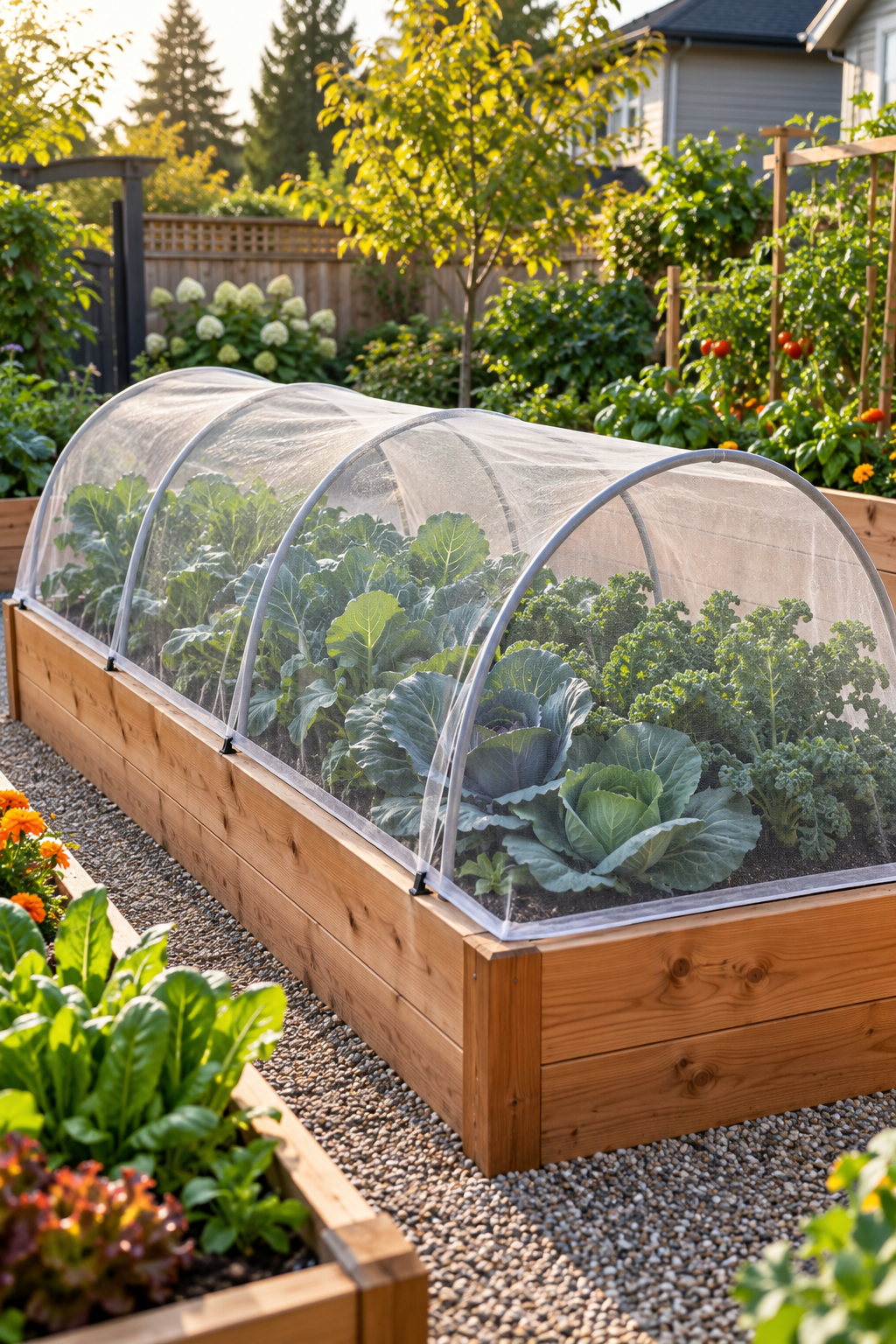
Protect Crops with an Insect-Mesh Tunnel works best when it solves a real spatial need as well as adding beauty. Test the placement with temporary pots, stakes or outdoor furniture before committing to construction or mature plants.
Consider mature plant size, root behavior, irrigation access and safe clearances from walls, gates and utilities. It adds year-round structure, making seasonal flowers and movable accents easier to edit.
Before installing it, observe sun, wind and drainage after different weather conditions. Select regionally appropriate plants, use water responsibly, keep walking surfaces stable, and call the relevant service before digging where utilities may be present.
20. Build a Narrow Garden Tool Station
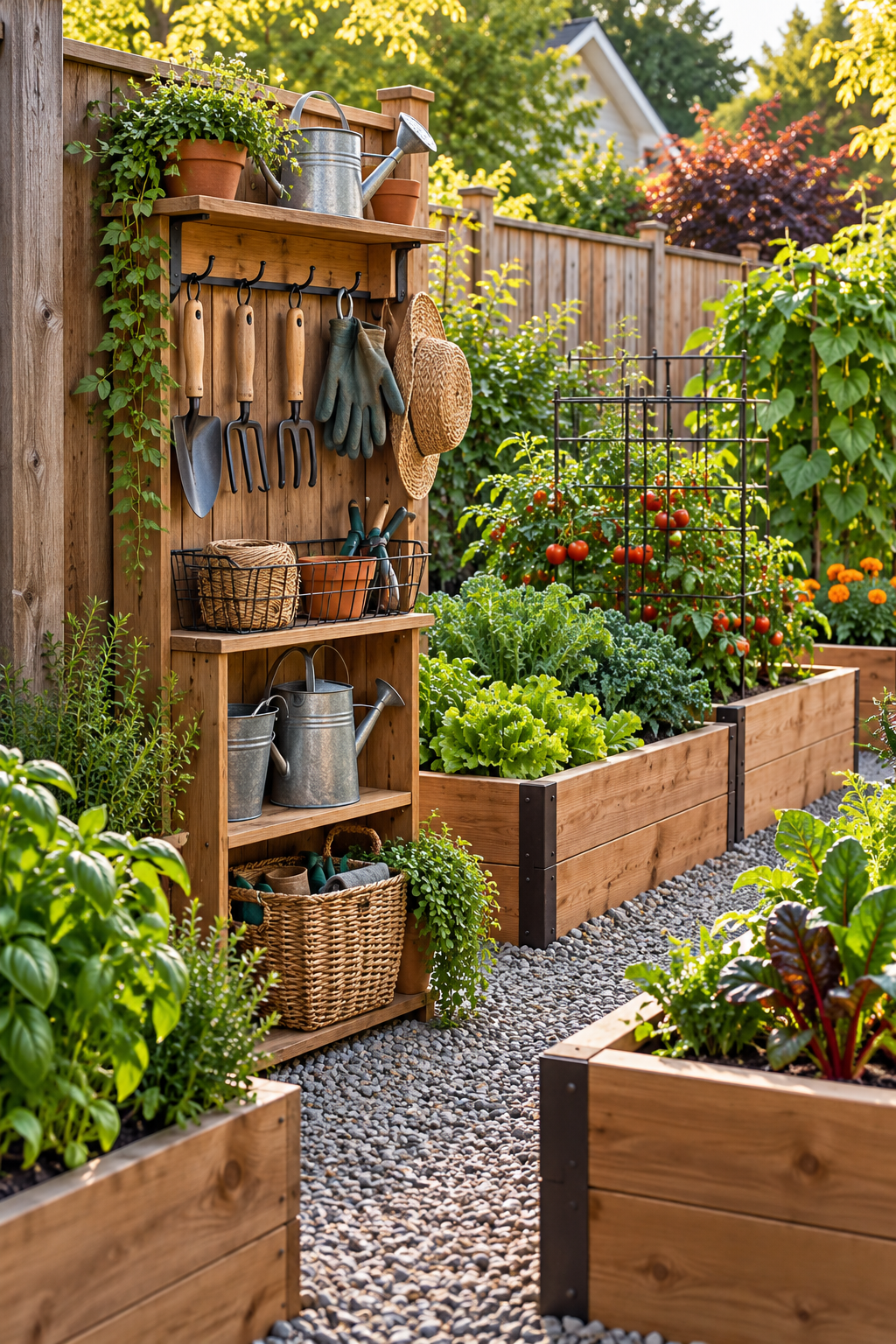
Build a Narrow Garden Tool Station works best when it solves a real spatial need as well as adding beauty. Prioritize durable, climate-suited choices that look good through more than one season and do not demand constant replacement.
Finish the surrounding soil with mulch, gravel or groundcover so the detail looks settled and routine maintenance stays manageable. The space feels intimate rather than crowded because every element supports the same visual rhythm.
Before installing it, observe sun, wind and drainage after different weather conditions. Select regionally appropriate plants, use water responsibly, keep walking surfaces stable, and call the relevant service before digging where utilities may be present.
21. Use Gravel Paths for Cleaner Harvests
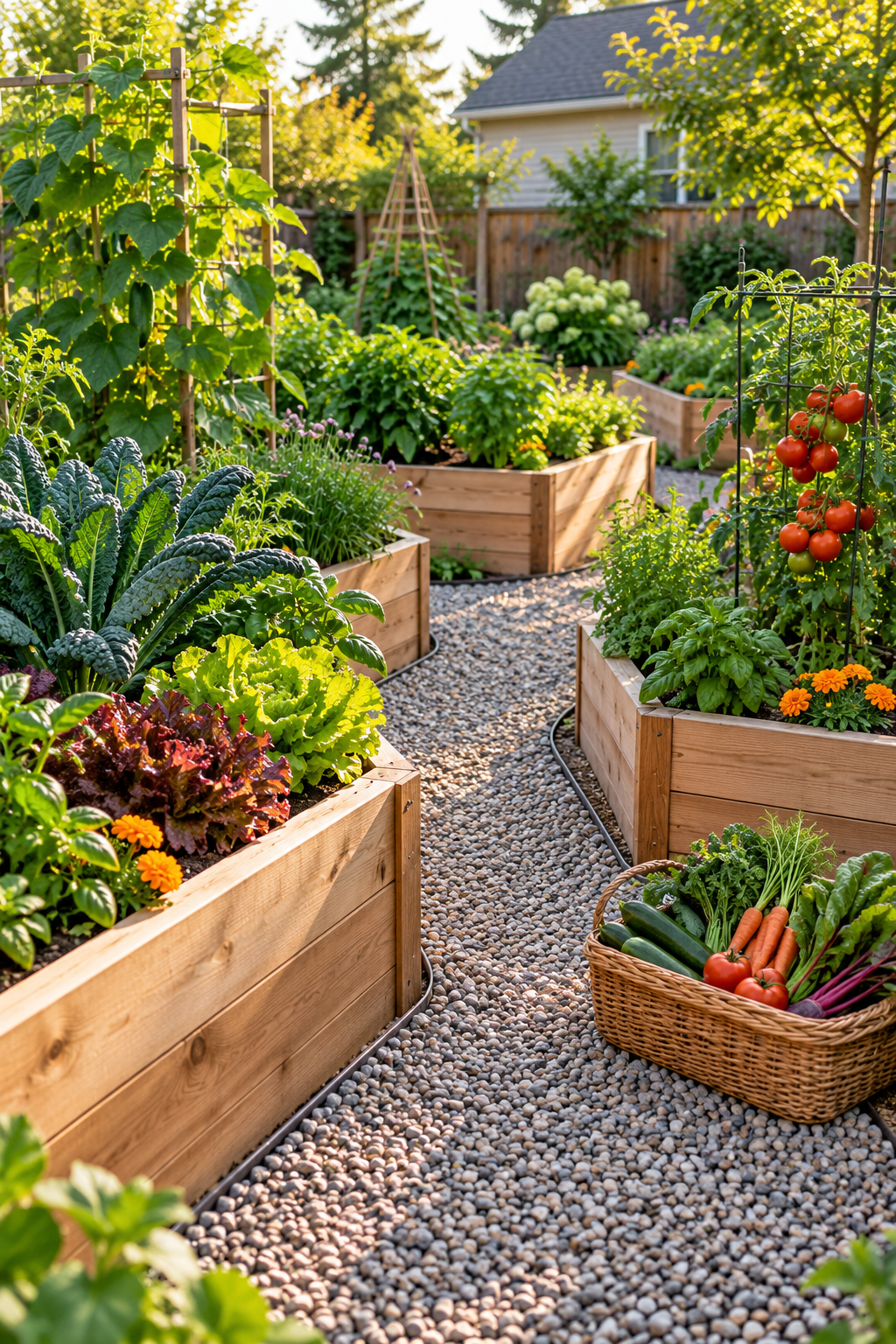
Use Gravel Paths for Cleaner Harvests works best when it solves a real spatial need as well as adding beauty. Begin with the dimensions and daily movement of the yard, then give this feature enough room to function without narrowing the main route.
Use one dominant material, a restrained plant palette and repeated shapes to prevent the limited area from feeling fragmented. The result is a backyard that feels deeper, calmer and more useful than its measurements suggest.
Before installing it, observe sun, wind and drainage after different weather conditions. Select regionally appropriate plants, use water responsibly, keep walking surfaces stable, and call the relevant service before digging where utilities may be present.
22. Add a Small Potting Bench
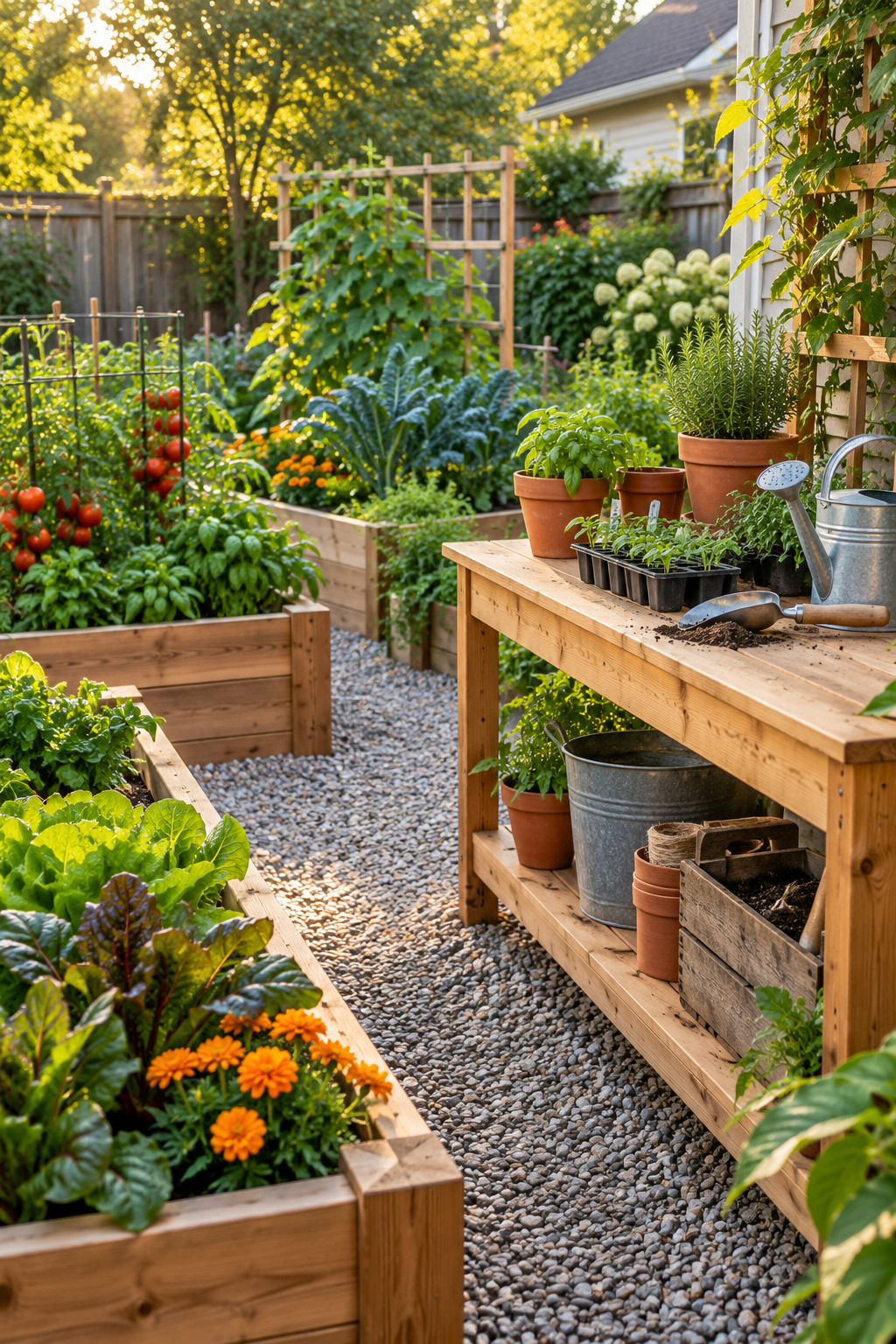
Add a Small Potting Bench works best when it solves a real spatial need as well as adding beauty. Choose materials that repeat the home exterior so the compact landscape reads as one continuous, intentional composition.
Contrast fine foliage with a few broad leaves, then allow breathing room so each layer remains visible from the house. This creates a polished focal point while preserving the open sightlines that help a tiny yard feel comfortable.
Before installing it, observe sun, wind and drainage after different weather conditions. Select regionally appropriate plants, use water responsibly, keep walking surfaces stable, and call the relevant service before digging where utilities may be present.
23. Grow Squash Vertically with Support
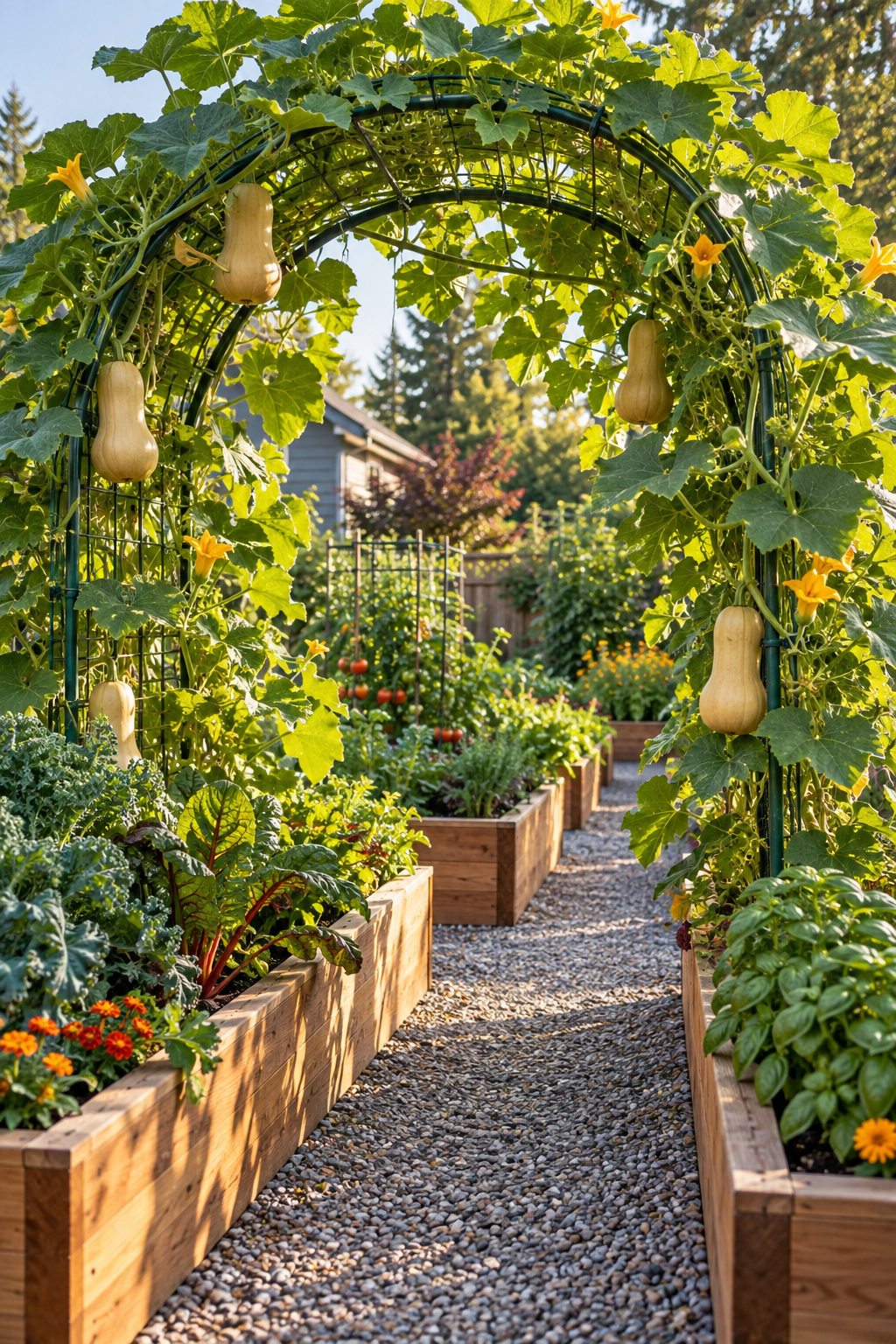
Grow Squash Vertically with Support works best when it solves a real spatial need as well as adding beauty. Keep the footprint modest and let vertical height, foliage texture and a clear edge create most of the visual impact.
Connect the idea to a nearby path or seat, turning it into part of the garden experience rather than an isolated decoration. The garden gains character without sacrificing circulation, storage or everyday flexibility.
Before installing it, observe sun, wind and drainage after different weather conditions. Select regionally appropriate plants, use water responsibly, keep walking surfaces stable, and call the relevant service before digging where utilities may be present.
24. Create a Perennial Edible Corner
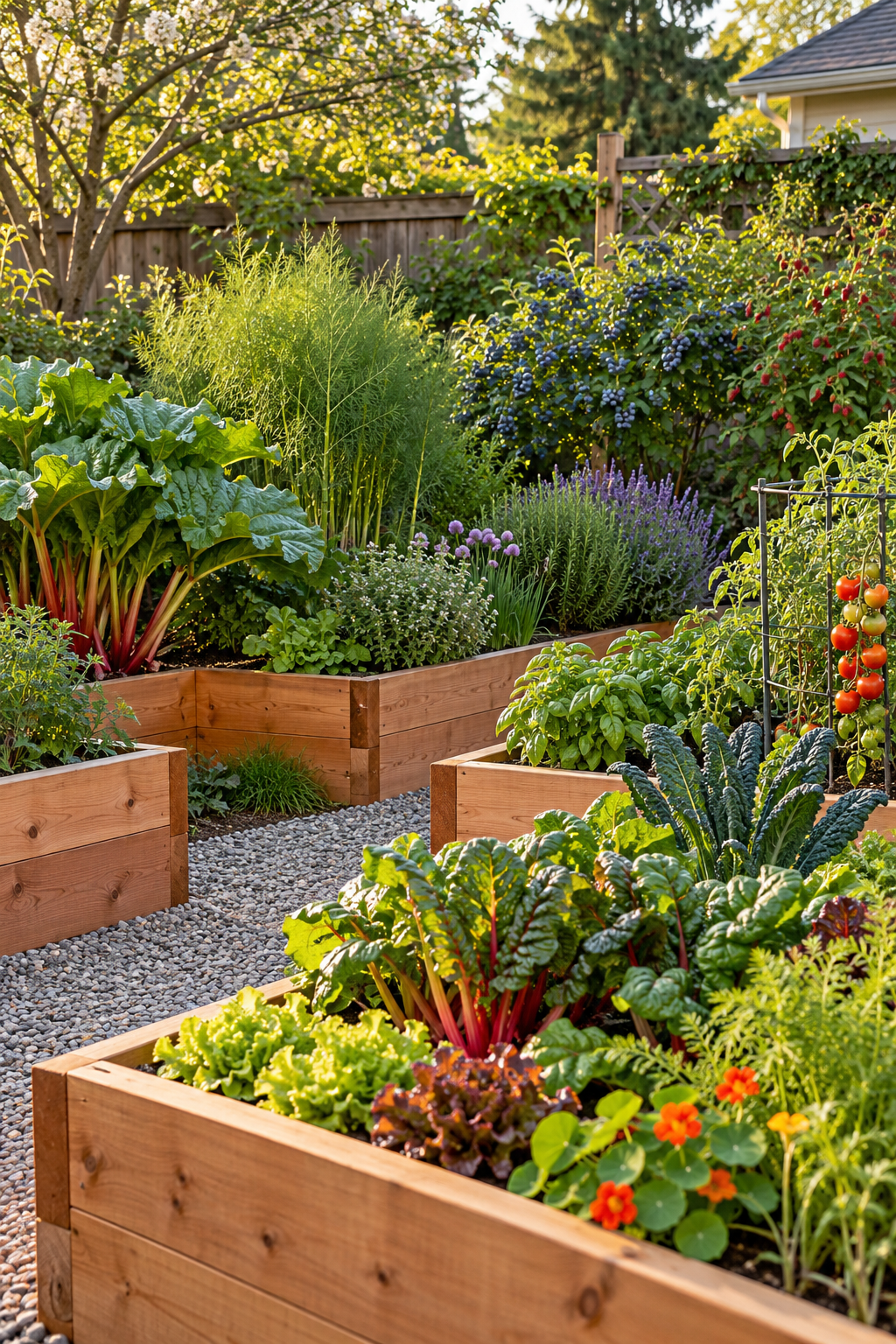
Create a Perennial Edible Corner works best when it solves a real spatial need as well as adding beauty. Test the placement with temporary pots, stakes or outdoor furniture before committing to construction or mature plants.
Consider mature plant size, root behavior, irrigation access and safe clearances from walls, gates and utilities. It adds year-round structure, making seasonal flowers and movable accents easier to edit.
Before installing it, observe sun, wind and drainage after different weather conditions. Select regionally appropriate plants, use water responsibly, keep walking surfaces stable, and call the relevant service before digging where utilities may be present.
25. Plant Fast Crops between Slow Crops
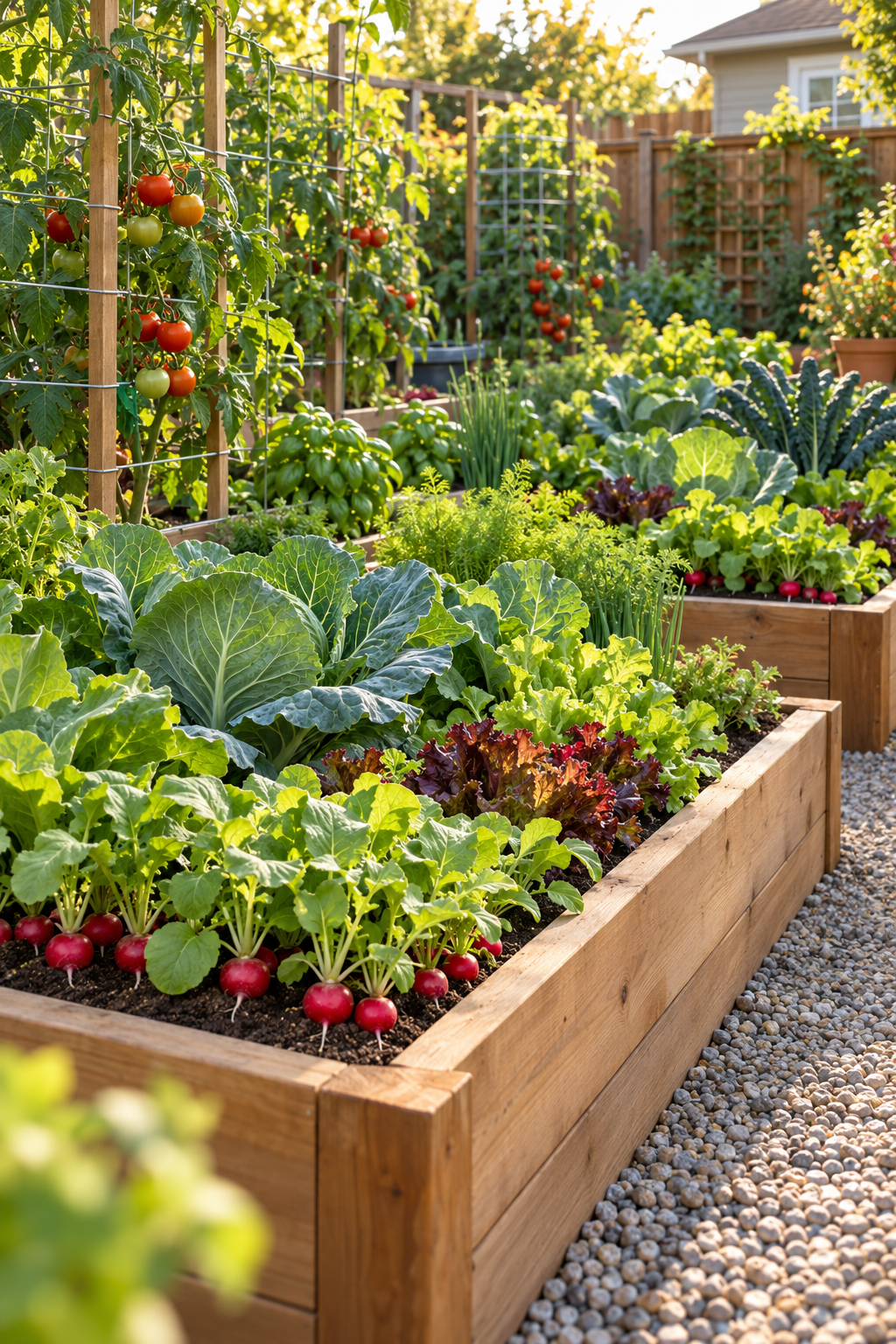
Plant Fast Crops between Slow Crops works best when it solves a real spatial need as well as adding beauty. Prioritize durable, climate-suited choices that look good through more than one season and do not demand constant replacement.
Finish the surrounding soil with mulch, gravel or groundcover so the detail looks settled and routine maintenance stays manageable. The space feels intimate rather than crowded because every element supports the same visual rhythm.
Before installing it, observe sun, wind and drainage after different weather conditions. Select regionally appropriate plants, use water responsibly, keep walking surfaces stable, and call the relevant service before digging where utilities may be present.
26. Add a Harvest Washing Station
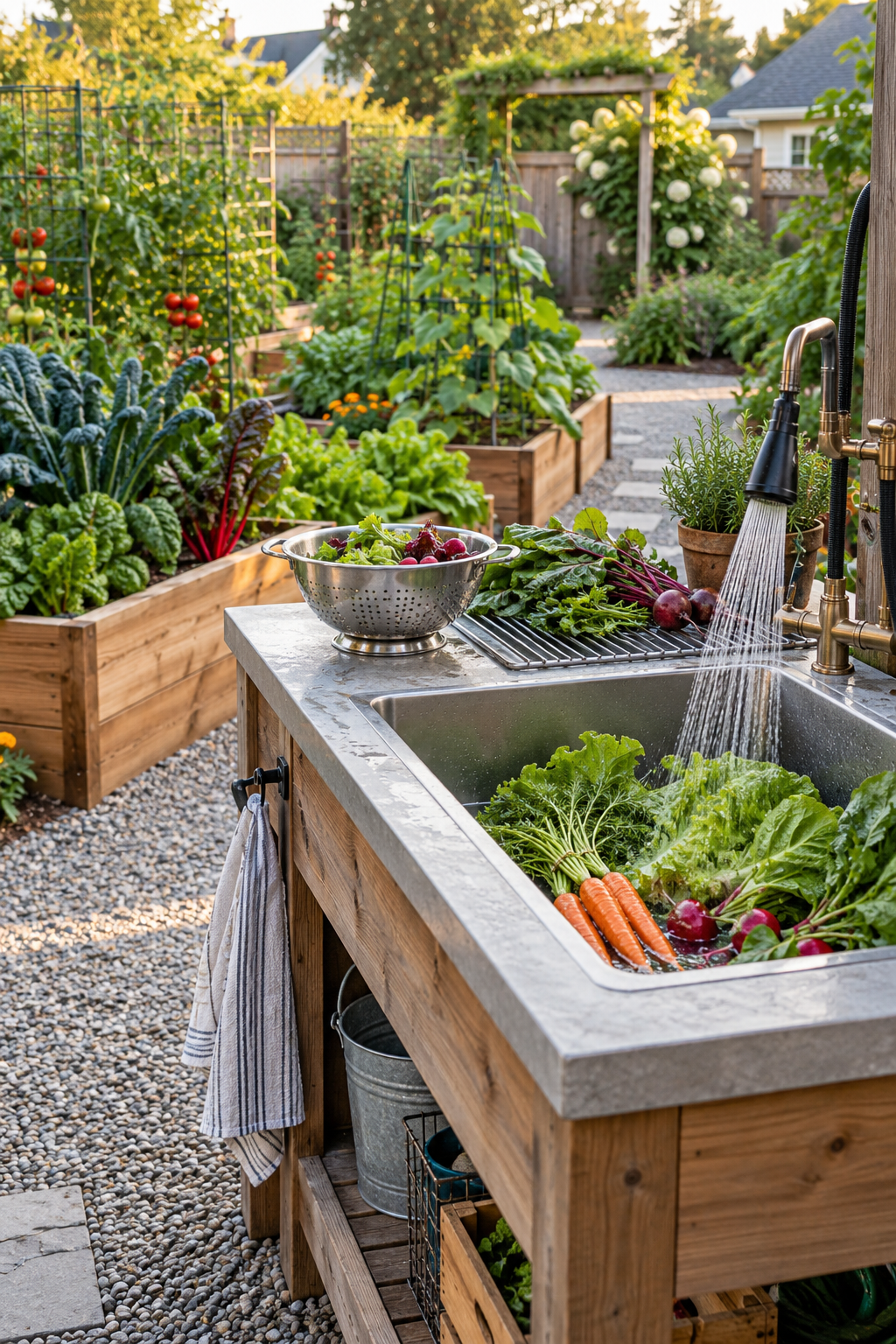
Add a Harvest Washing Station works best when it solves a real spatial need as well as adding beauty. Begin with the dimensions and daily movement of the yard, then give this feature enough room to function without narrowing the main route.
Use one dominant material, a restrained plant palette and repeated shapes to prevent the limited area from feeling fragmented. The result is a backyard that feels deeper, calmer and more useful than its measurements suggest.
Before installing it, observe sun, wind and drainage after different weather conditions. Select regionally appropriate plants, use water responsibly, keep walking surfaces stable, and call the relevant service before digging where utilities may be present.
27. Keep a Flexible Bed for Experiments
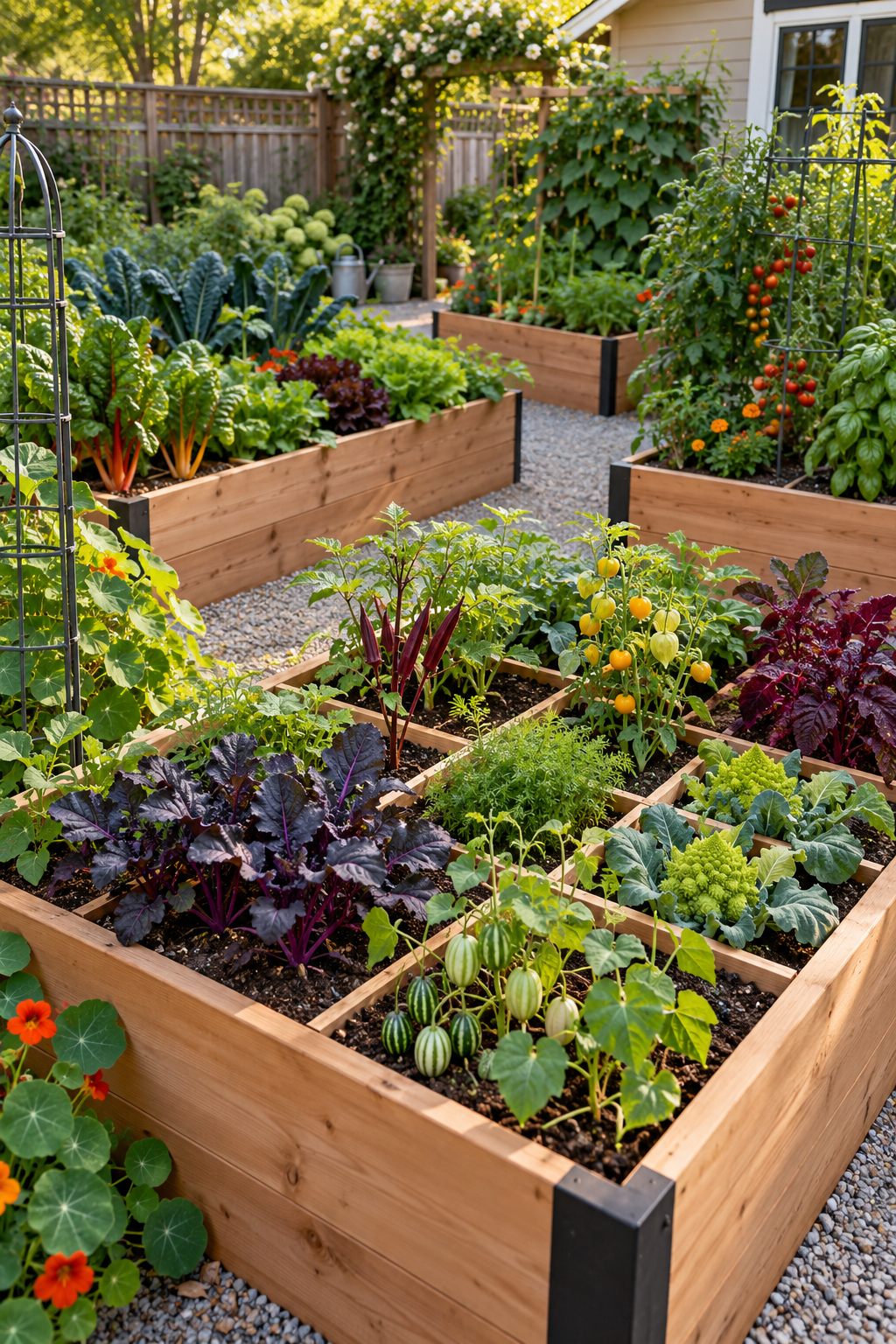
Keep a Flexible Bed for Experiments works best when it solves a real spatial need as well as adding beauty. Choose materials that repeat the home exterior so the compact landscape reads as one continuous, intentional composition.
Contrast fine foliage with a few broad leaves, then allow breathing room so each layer remains visible from the house. This creates a polished focal point while preserving the open sightlines that help a tiny yard feel comfortable.
Before installing it, observe sun, wind and drainage after different weather conditions. Select regionally appropriate plants, use water responsibly, keep walking surfaces stable, and call the relevant service before digging where utilities may be present.
28. Plan a Cool-Season Garden Transition
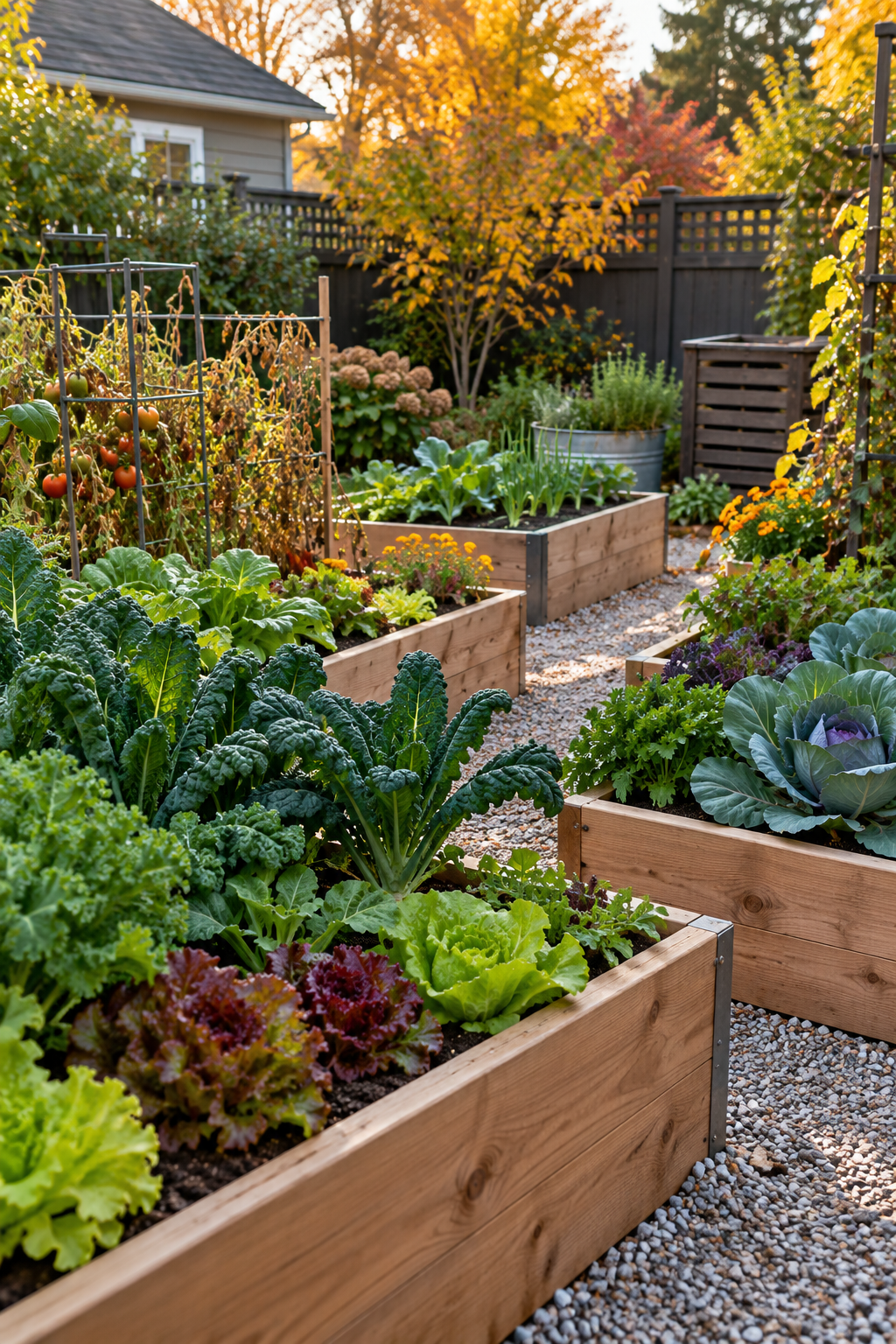
Plan a Cool-Season Garden Transition works best when it solves a real spatial need as well as adding beauty. Keep the footprint modest and let vertical height, foliage texture and a clear edge create most of the visual impact.
Connect the idea to a nearby path or seat, turning it into part of the garden experience rather than an isolated decoration. The garden gains character without sacrificing circulation, storage or everyday flexibility.
Before installing it, observe sun, wind and drainage after different weather conditions. Select regionally appropriate plants, use water responsibly, keep walking surfaces stable, and call the relevant service before digging where utilities may be present.
29. Finish with a Productive Seasonal Reset
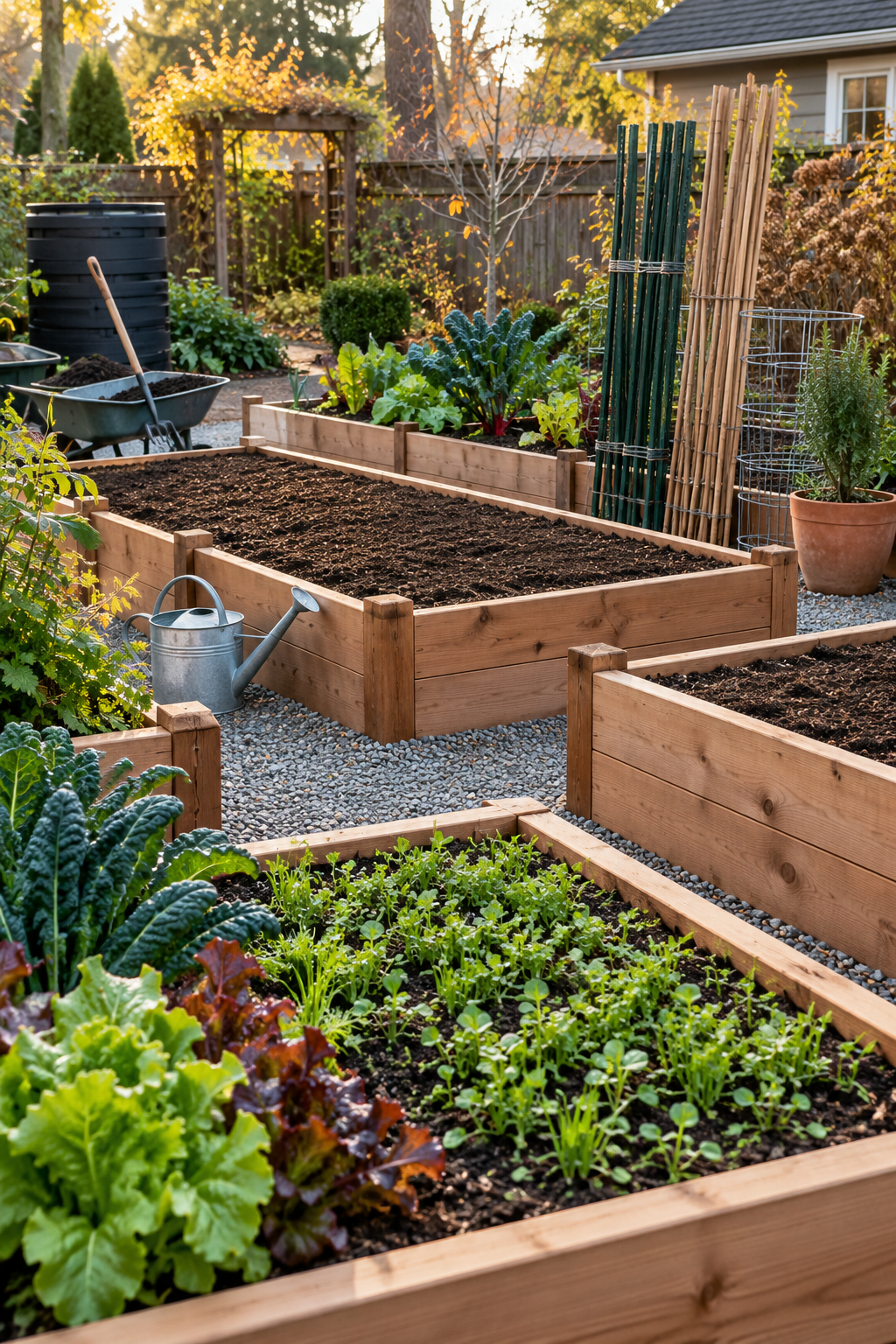
Finish with a Productive Seasonal Reset works best when it solves a real spatial need as well as adding beauty. Test the placement with temporary pots, stakes or outdoor furniture before committing to construction or mature plants.
Consider mature plant size, root behavior, irrigation access and safe clearances from walls, gates and utilities. It adds year-round structure, making seasonal flowers and movable accents easier to edit.
Before installing it, observe sun, wind and drainage after different weather conditions. Select regionally appropriate plants, use water responsibly, keep walking surfaces stable, and call the relevant service before digging where utilities may be present.
How to Plan a Small Garden That Stays Beautiful
Start with one strong view, one comfortable destination and one uncomplicated route between them. Repeat a limited set of plants and materials, then reserve a little open space for seasonal change. A compact garden succeeds when it remains easy to water, prune, clean and enjoy; the most photogenic plan is also the one that still works on an ordinary weekday.